Menopause
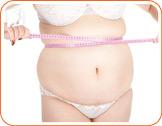
Menopause can be a frustrating time for many women, and one reason for this is that women can experience weight gain during this time. Weight gain is not an inevitable part of menopause, but many women do gain weight during this period. Society often chooses to focus on the physical aspects of weight gain, but being overweight or obese also has wide-reaching medical effects.
What Constitutes Weight Gain during Menopause?
Weight gain refers to when a woman increases her body mass, which may come in the form of increased fat, muscle, or fluid content. The average woman gains between 10 and 15 pounds during menopause.
What Are the Causes of Weight Gain during Menopause?
As the body ages, it loses muscle mass and gains fat mass. Fat mass needs fewer calories to maintain, so many women feel they are gaining weight when their diet or activity level has not changed significantly.
Weight gain as experienced by menopausal women is often carried in the midsection of the body. This is because estrogen causes body fat to be more spread out and focused on covering the reproductive organs. As estrogen levels decrease, a woman's fat redistributes and is more likely to be gathered around the abdomen. This redistribution of fat can make a woman feel like she has gained weight.
What Roles Do Hormones Play in Weight Changes?
In addition to estrogen, other hormones can also impact weight gain.
- Insulin. Insulin is a hormone that transports glucose out of the bloodstream. In obese people, these signals are sometimes lost, which can cause glucose to build up in the blood and can lead to a range of health problems, including type 2 diabetes.
- Leptin. Leptin is the hormone produced by fat cells that lets the body know that it is full. Although obese people have more fat cells, and therefore produce more leptin, their bodies do not respond as well to it as people who are within a healthy weight range.
- Growth hormone. Obese people have lower levels of growth hormone. Growth hormone influences metabolism and helps build muscle and bone mass.
What Risks Does Weight Gain Pose?
Being overweight or obese increases a person's risk of getting conditions such as:
- Heart disease
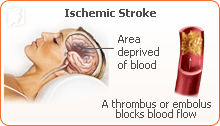
- Stroke
- Type 2 diabetes
- High blood pressure
- Breathing problems
- Arthritis
- Gallbladder disease
- Certain types of cancer
What Can Be Done to Prevent Weight Gain during Menopause?
The best and healthiest way to lose weight is to eat fewer calories, consume healthy foods, and exercise regularly. Click on the following link for more information on treatments for weight gain during menopause.
Sources
- Better Health Channel. (2015). Obesity and hormones. Retrieved November 17, 2015, from https://www.betterhealth.vic.gov.au/health/healthyliving/obesity-and-hormones
- Centers for Disease Control and Prevention. (2015). The Health Effects of Overweight and Obesity. Retrieved November 17, 2015, from http://www.cdc.gov/healthyweight/effects/