Menopause
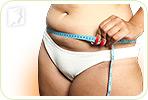
Most women gain weight between the ages of 40 and 50, coinciding with their menopausal transition. Unfortunately, this is typically accepted as an inevitable side effect of aging. While the menopausal process does make it more likely that you will put on weight, there are a variety of remedies that can help prevent or reverse this trend.
What Characterizes Weight Gain during Menopause?
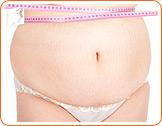
Women going through menopause may notice that maintaining their usual weight becomes more and more difficult. Weight gained during and after menopause tends to be harder to lose, and the extra inches accumulate around the abdomen, rather than the hips and thighs. For most women, the increases in weight begin during perimenopause, when women gain on average about a pound a year.
Weight gain can have a negative effect on health. Excess weight increases the risk of high cholesterol, high blood pressure and insulin resistance, which can lead to type two diabetes. These factors increase the risk of serious conditions such as heart disease and stroke. Furthermore, there is evidence that suggests that weight gain after menopause increases breast cancer risk. Women who gain over 20 pounds after menopause increase their breast cancer risk by nearly 20%. For this reason it is vital to address the issue of weight gain during menopause.
What Are the Causes of Weight Gain After Menopause?
While changing hormone levels associated with menopause are a major reason for weight gain, this is not necessarily the sole cause of all weight gain. Aging and lifestyle factors also play a role in the changed body composition. These include:
Exercising less. Menopausal women, on average, exercise less than other women, which can lead to weight gain.
Eating more. Obviously, eating more means you'll consume more calories, which are converted to fat if they are not burnt for energy.
Burning fewer calories. The number of calories needed for energy decreases as a person ages because aging promotes the replacement of muscle with fat. Muscle burns more calories than fat does. When your body composition shifts to more fat and less muscle, your metabolism slows down.
Genetic factors. If your parents and other relatives carry extra weight around the abdomen, it may mean that you are more likely to do so as well.
What Can Be Done to Help With Weight Gain?
There are many things that can help with weight gain as a person goes through menopause, but it is important to remember there is no magic formula that instantly shed those pounds. The strategies for losing weight and maintaining a healthy body shape revolve around the principles of healthy eating and healthy living. For example:
-

Increase your physical activity. Aerobic exercise boosts the metabolism and helps you burn fat. Strength training exercises increase muscle mass. You can become more physically active even without starting a formal exercise program. Just spend more time doing the things you love that also get you moving. Do more gardening and dancing, take longer walks, or try cycling.
Reduce calorie intake. A woman going through menopause should pay close attention to the foods she eats and slightly reduce the amount of calories consumed each day.
In addition to these simple tips, there are also a range of herbal remedies available that help to target hormone imbalances that can lead to fluctuations in weight. These remedies have been shown to be extremely helpful if taken over a long period of time. It is important to visit your doctor first if you are thinking of starting any medicinal program.
For more information on the available remedies to help with weight gain, follow the link below.
Sources
- BMJ Group. "Menopause: What is it?" Patient Leaflet. 2007
- Hutchinson, Susan M.D. "The Stages of a Woman's Life: Menstruation, Pregnancy, Nursing, Perimenopause, Menopause". November 2007.
- Love, Susan M.D. Menopause and Hormone Book. New York: Three Rivers Press, 2003.