Menopause

When designing a diet for menopause, women often consider which foods they need to cut out to lose weight. But what about the foods that should be added to a menopause countering diet? If you're battling weight gain during menopause, it's a good idea to consider adding more fiber to your diet. Read on to learn why.
Why Is Fiber Good for Me?
Fiber is made of cellulose, a part of the plant cell wall that human beings cannot digest. Every time we eat foods that contain fiber, our bodies act like a deconstruction crew, breaking down the foods and carrying away valuable nutrients for later use. Fiber, however, remains relatively untouched by the digestive system. This can result in multiple benefits for woman looking to curb their calorie intake.
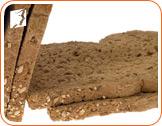
Because it is not easily broken down fiber remains in the stomach for longer than most foods, and thus keeps your hunger satiated for a longer period of time. It also fills you up quicker than other types of food. When you are planning a healthy diet in order to lose some pounds, fiber can give you more “bang for your buck”. For example, one slice of fiber-packed whole grain bread can satisfy your eating urges for longer than two slices of white bread.
In addition to its effects on appetite, fiber also binds itself to cholesterol and causes it to move through the digestive system quickly. Because it has less time to be absorbed into the body, much of that cholesterol is “flushed out” as waste.
How Can I Pack the Most Fiber into My Diet?

Before you start planning your new fiber-rich diet, remember that the key to losing weight is to maintain a balance. A balance between eating and exercising is critical, as is a balance between fiber and other nutritious foods. Some of the food groups with the most fiber include: legumes (beans and peas), vegetables, whole grains, and nuts.
More Information about Weight Gain during Menopause
There are three primary types of weight gain that women experience during menopause: an increase in fat deposits, an increase in muscle tissue, and an increase in water retention. All three of these types of weight gain can be traced to hormonal fluctuations. Click on the articles below to find out more about menopausal weight gain.
Sources
- Hutchinson, Susan M.D. "The Stages of a Woman's Life: Menstruation, Pregnancy, Nursing, Perimenopause, Menopause". November 2007.
- Love, Susan M.D. Menopause and Hormone Book. New York: Three Rivers Press, 2003.
- BMJ Group. "Menopause: What is it?" Patient Leaflet. 2007