Menopause
Women have to deal with a whole range of symptoms as they approach menopause, and one of the most frustrating is rapid weight gain. Weight gain can be both physically and emotionally uncomfortable and cause a range of problems, from self-esteem issues to health problems and obesity. Read on to understand why menopausal women experience fast weight gain and how you can fight it.
What Constitutes Weight Gain during Menopause?
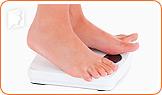
Weight gain, obviously, refers to when body mass increases, whether that is through increased fat, muscle, or fluid content. Weight gain as experienced by menopausal women tends to be focused around the midsection, and the average woman between the ages of 45 and 55 will put on between 10 and 15 pounds over the course of the menopause transition.
What Are the Causes of Weight Gain during Menopause?
When hormone levels decrease and the body prepares for permanently lower hormone levels, a woman going through menopause is more likely to put on weight. This is because hormones play various important roles in the body, including controlling weight.
Estrogen. Since the ovaries produce less estrogen as a woman approaches menopause, the body attempts to produce the hormone in other areas. Fat cells have the ability to produce estrogen, so the body starts to convert calories into fat in order to restore lowered estrogen levels.
Progesterone. Water retention and subsequent bloating is caused by decreased progesterone levels during menopause.
- Testosterone. The changes in the hormone testosterone during menopause are responsible for distributing weight gain to the midsection instead of the hips. In addition, as testosterone levels drop during menopause, fewer calories are transformed into lean muscle mass. As a consequence, more fat builds up.
What Can Be Done to Avoid Fast Weight Gain?
The healthiest course of action for combating weight gain is to focus on lifestyle changes that will deal with the added weight. For example, the most logical response to weight gain is to exercise more and eat a healthier diet.

Combining improved lifestyle habits with natural medicines has also proven to be very effective. Herbal remedies will often work to restore hormone levels.
Finally, there are also medications and surgeries that some women choose, which should always be considered as a last resort after natural strategies have failed.
For more information on fast weight gain during menopause and detailed options about treatments for weight gain, follow the links below.
Sources
- Davis, S.R. et al. (2012). Understanding weight gain at menopause. Climacteric, 15(5), 419-429. doi: 10.3109/13697137.2012.707385
- Janssen, I. (2010). Testosterone and Visceral Fat in Midlife Women: The Study of Women's Health Across the Nation (SWAN) Fat Patterning Study. Obesity, 18(3), 604-610. doi: 10.1038/oby.2009.251
- Office on Women's Health. (2012). Menopause and menopause treatments fact sheet. Retrieved February 29, 2016, from http://www.womenshealth.gov/publications/our-publications/fact-sheet/menopause-treatment.html