Menopause
Noticed that those skinny jeans are a little snugger then they used to be? Unfortunately, this is a normal side effect of menopause. Attempting to counteract this effect of hormone fluctuations by keeping a healthy and sensible diet is advisable as it will leave you and your body feeling good. Before you start though, read up on some common menopausal weight loss myths that you should discard.
All Fat Is Bad

When it comes to fat content, it's a common misconception that all of it must go. The kind of fat you should focus on cutting is saturated.
I Shouldn't Eat Carbohydrates

The carbohydrates to avoid are the refined carbohydrates usually found in processed foods. It's important though to carry on eating complex carbs such as whole grain bread, whole grain pasta, and beans as they will also provide your body with fiber.
If I Skip a Meal, I Can Cut Calories

It is common for people who skip meals to make up for it by overeating later in the day when hunger turns into starvation. Skipping meals signals to your body that it needs to conserve its energy stores, which slows your metabolism down and ultimately leads to further weight gain.
I Need to Follow a High-Protein Diet to Lose Weight
The key to maintaining a healthy diet is balance. You should never try to source all of your nutrition from one food group. Additionally, eating a high-protein diet can result in your body storing too much cholesterol and fat, which puts your heart health in jeopardy.
Following a Diet Trend Is a Surefire Way to Drop Pounds

Every month a new “vegetable juice diet” or a “grapefruit diet” appears on the market promising a trimmer waistline and rapid results. While these diets can help you to lose weight fast, maintaining your new weight once a normal diet is resumed can be problematic.
I Should Buy Everything in a Low-Fat or Fat-Free Version
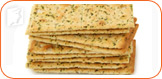
It is common for people to interpret low-fat or fat-free products as “good for you”. Unfortunately though, many foods that are advertised as low-fat or fat-free, replace fat with sugar or starch in order to maintain the same flavor.
I Can't Eat Fast Food Ever!

In keeping with the push to offer healthier options, many fast food restaurants now provide meals with fewer calories that won't wreck your diet. Even if you feel like a moment of indulgence and opt for a classic hamburger, you can still cut calories by replacing the fries with salad, and coke with orange juice.
I Should Do All Cardio at the Gym and Skip the Weight Lifting

Cardio will strengthen your heart and help you burn calories, but balancing it with weight lifting is also important. Contrary to popular belief, weight lifting will not necessary make you bulky. When done correctly, it will instead tone your body making you leaner and firmer. The additional muscle will also contribute to continued weight loss.
Eating After 7:00 p.m. Is a No-No

Your food doesn't have an internal clock. If you're prone to eating later at night, go ahead and have a small snack. Just make you don't frequently overspend your calorie count for the day.
I Can't Have Dessert

Satisfying your sweet tooth without erasing all of your progress is still possible. If you crave sweets, try eating fruit instead of cakes and candy. And remember indulging every now and then is still okay.
More Information about Weight Gain during Menopause
The average woman gains up to 15 pounds during her 40s and 50s due to the hormonal changes that occur during menopause. Follow the link to learn more about comparing the different menopausal weight gain treatments that are available.
Sources
- Hutchinson, Susan M.D. "The Stages of a Woman's Life: Menstruation, Pregnancy, Nursing, Perimenopause, Menopause". November 2007.
- Love, Susan M.D. Menopause and Hormone Book. New York: Three Rivers Press, 2003.
- BMJ Group. "Menopause: What is it?" Patient Leaflet. 2007