 Menopause
Did You Know
Up to 64% of American adults are considered either overweight or obese.
As women approach menopause they experience many symptoms, including menopausal weight gain. While it is one of the more frustrating symptoms of menopause, it is also one of the most common.
In fact, up to 90% of menopausal women will experience weight gain to some degree. Although weight gain is a natural and common aspect of getting older, there are ways to reduce it. By better understanding why it occurs during menopause, women can work to prevent menopausal weight gain. Continue reading to learn more about weight gain, its causes, and treatment options.
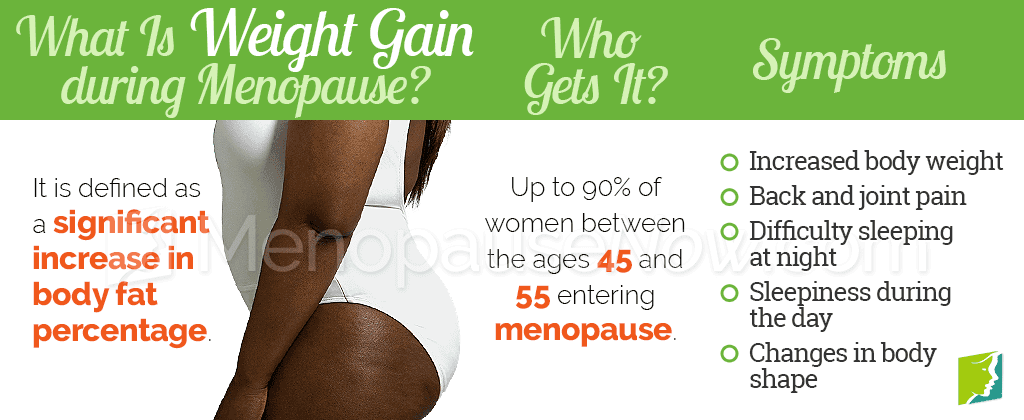
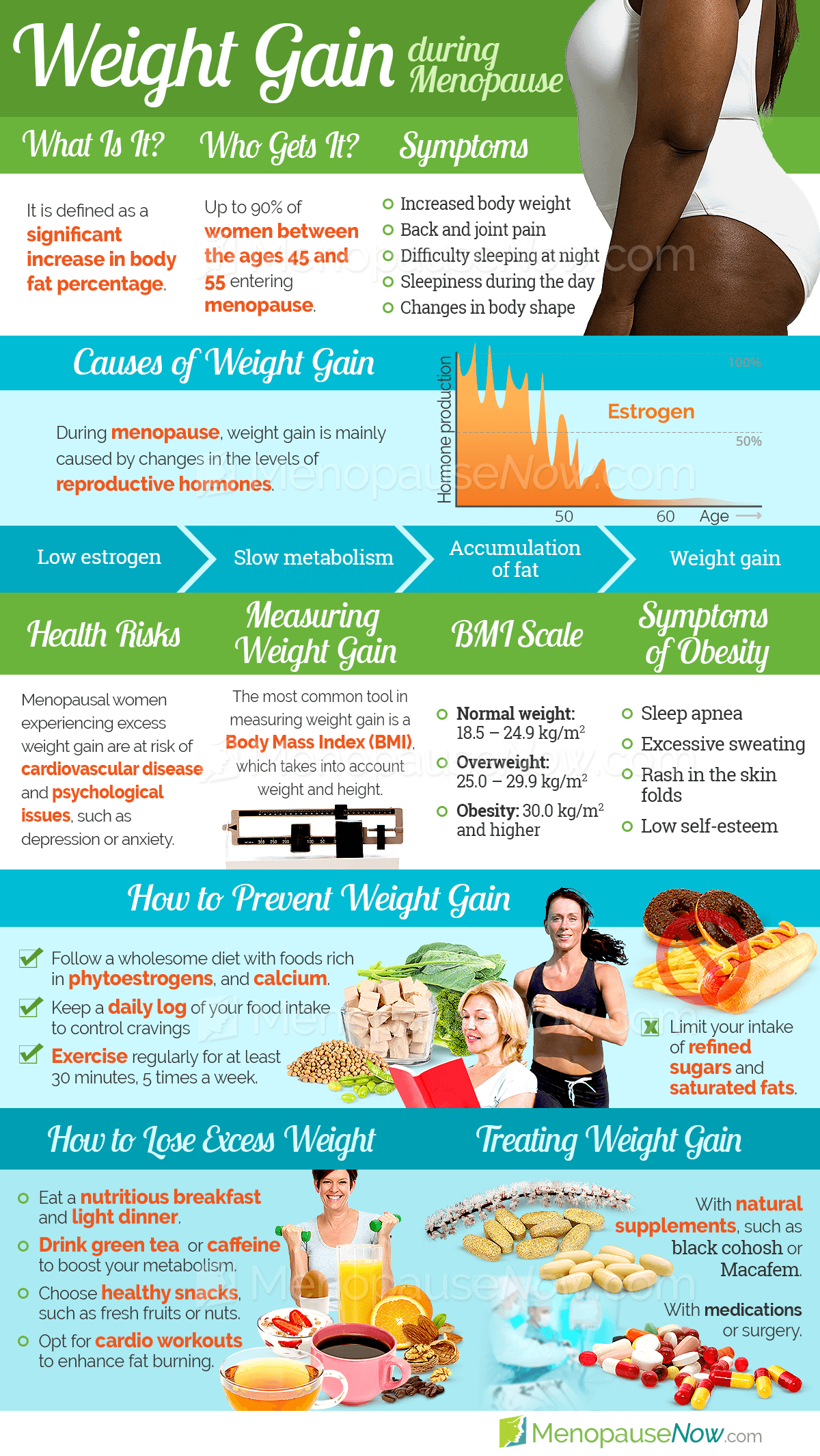
About Weight Gain during Menopause
Weight gain takes place when body mass increases, whether as a result of fat deposits, additional muscle tissue, or excess fluid. However, weight gain associated with menopause typically increases fat around the abdomen.
On average, women gain between 12 and 15 pounds between the ages of 45 and 55, when menopause typically occurs. This extra weight generally does not evenly distribute itself throughout a woman's body, but instead accumulates around the abdomen. Read below to learn the common symptoms associated with weight gain during menopause.
Symptoms of weight gain
Women generally know when they have gained weight and do not need to learn how to identify this menopause symptom. Some of the indicators, however, are unique to weight gain associated with menopause. At the right is a list of symptoms of weight gain during menopause.
Risks of weight gain
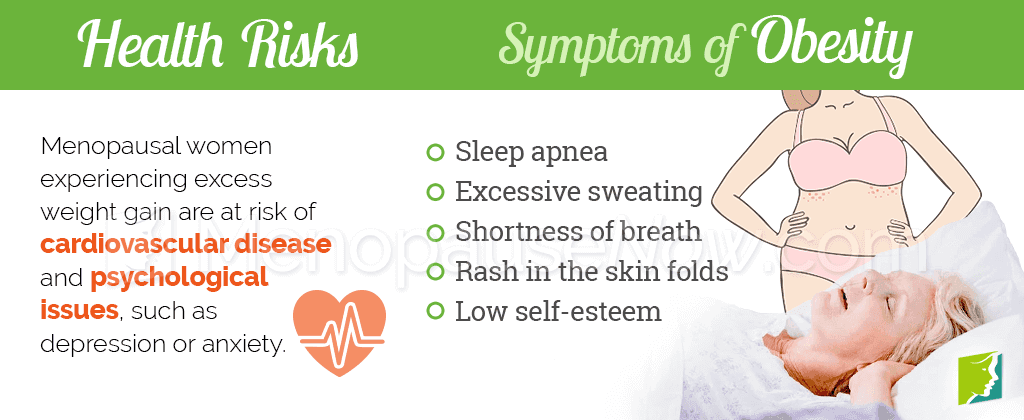
Weight gain during menopause entails more than just aesthetic concerns. Several diseases and other conditions can develop as a result of a body burdened with excess pounds. Here is a list of conditions weight gain can lead to:
Weight Gain and Breast Cancer
Women who gain in excess of 20 pounds after menopause increase their breast cancer risk by nearly 20%, but those who lose 20 pounds after menopause reduce their breast cancer risk by as much as 23%.
- Heart disease, stroke
- High blood pressure
- Osteoarthritis
- Breast cancer
- High cholesterol
- Kidney disease
- Sleep apnea
- Insulin resistance (increasing diabetes risk)
- More severe menopause symptoms
Click on the following link to learn more about weight gain, or continue reading below to learn what causes weight gain during menopause.

Causes of Weight Gain during Menopause
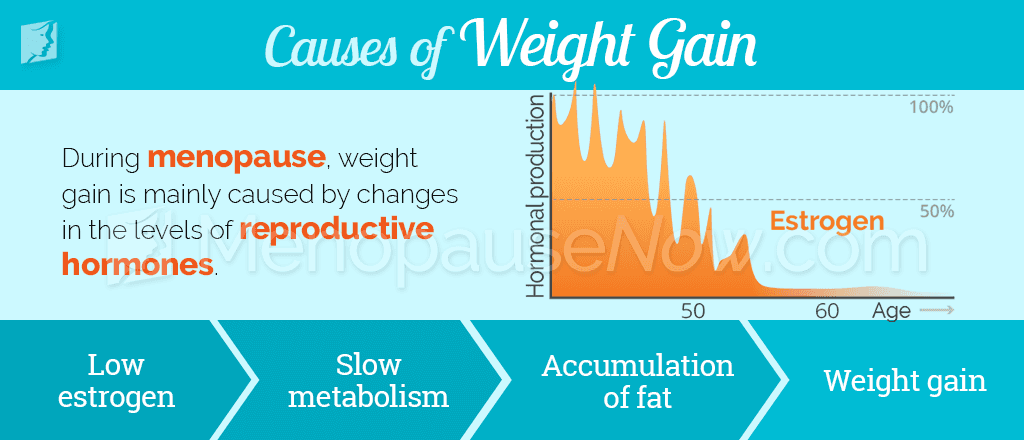
As the years progress, metabolism slows, setting the physiological stage for weight gain. Although age itself can lead to weight gain, women approaching menopause have particular cause for concern. As a woman's hormone levels fluctuate prior to menopause in preparation for the end of menstruation, they are likely to experience weight gain.
Hormonal Causes of Weight Gain
Menopause Munchies
A drop in estrogen and progesterone can increase a woman's appetite and cause her to eat up to 67% more, according to one study. An increase in appetite coupled with a slower metabolism with the onset of menopause can cause weight gain in women. This could, perhaps, account for the 12% jump in the number of women who are overweight during midlife compared to women in their 20's and 30's.
Hormones have complex functions in the body, including weight control. Here's a list of the different hormones that can affect weight gain and how:
Estrogen
As a woman's ovaries produce less estrogen, her body attempts to draw from other sources of estrogen. Fat cells can produce estrogen, so her body works harder to convert calories into fat to increase estrogen levels. Unfortunately, fat cells do not burn calories the way muscle cells do, which causes weight gain.
Progesterone
Water retention is often linked to menopause because water weight and bloating can result from a decrease in progesterone levels. Though this doesn't actually result in weight gain, clothes can feel a bit tighter and a woman may feel as though she's heavier.
Testosterone
The amount of this hormone increases at the onset of menopause. It's responsible for redistributing weight to the midsection instead of to the hips.
Hypothyroidism and Weight Gain
Women with an underactive thyroid often experience weight gain because their metabolic rate slows down as a result of the condition. In some cases, hyperthyroidism can also cause weight gain, but that is rare. Thyroid hormones essentially regulate calorie consumption in the body. With an underactive thyroid, fewer calories are burned and converted into energy. Instead, they are stored in the body.
Other causes of weight gain
Although hormones are largely responsible for weight gain during menopause, there are other factors that can play a role as well. They are separated into two categories: age and lifestyle factors.
Age and Weight Gain
Beginning at about age 30, an individual's physical abilities begin to decrease and continue deteriorating until about age 60 or 70. The body's abilities then level off and decline at a slower rate. The rate of decline depends largely on an individual's physical activity and particular lifestyle. This decreasing physical ability affects weight because a person becomes less able to engage in physical activities that help to maintain a stable weight by burning calories. To compound the potential for weight gain with age, the metabolic rate begins to slow after age 30, which also leads to weight gain.
Lifestyle and Weight Gain
Even though physical changes are an unavoidable part of getting older that leads to weight gain, a woman's lifestyle is also a hugely important variable that can either tip the scale in favor of extra pounds or fend off weight gain. Below are some lifestyle factors that can lead to weight gain:
- Stress
- Reduced physical activity
- Changes in eating habits
- Medication use
- Drinking excess amounts of alcohol
Click on the following link to learn more about the causes of weight gain during menopause, or continue reading below to find out some of the best treatment options for weight gain associated with menopause.


Weight Gain during Menopause Treatments
When looking for treatments for weight gain, it's important to begin with methods that are the least obtrusive, with the least likelihood of side effects, and progress from there.
Did You Know
Most women experience a 5% decrease in metabolic rate per decade. Because metabolism slows as women approach menopause, they need about 200 fewer calories a day to maintain their weight as they enter their mid to late 40s.
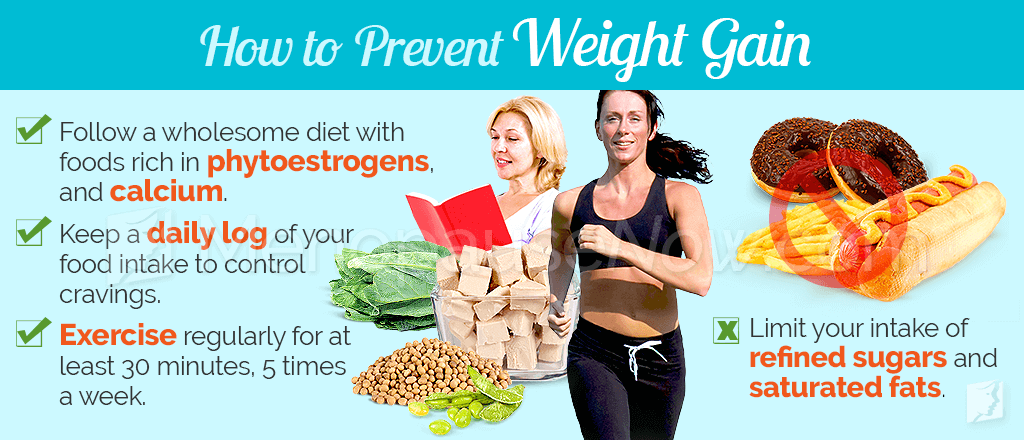
This means that lifestyle changes are the best place to begin. The tried and true way to cope with weight gain is to exercise regularly and eat a healthy, balanced diet, practicing moderation.
Typically, combining lifestyle changes and alternative medicines will produce the best results. When seeking out alternative medicines, keep in mind that because weight gain during menopause is associated with hormonal imbalance, so look for herbal supplements that bring a natural balance to hormonal levels, as this will go a long way toward curbing weight gain at the source.

Finally, if a woman is still experiencing weight gain, there are different prescription medications and surgeries she can explore, such as diet pills or bariatric procedures. This final option comes with the most risk and side effects and should be considered a last resort. A healthcare professional should be consulted before undergoing one of these options.
Click on the following link to learn all the specifics about treatments for weight gain during menopause, which begin with lifestyle changes, move onto alternative medicines, and finally, if those options don't seem to help, medications and surgery.



Sources
- Davis, S.R. et al. (2012). Understanding weight gain at menopause. Climacteric, 15(5), 419-429. doi: 10.3109/13697137.2012.707385.
- Janssen, I. et al. (2010). Testosterone and Visceral Fat in Midlife Women: The Study of Women's Health Across the Nation (SWAN) Fat Patterning
- National Institutes of Health. (2013). Weight gain - unintentional. Retrieved April 29, 2016, from https://www.nlm.nih.gov/medlineplus/ency/article/003084.htm
- Study. Obesity (Silver Spring), 18(3), 604-610. doi: 10.1038/oby.2009.251