Menopause
Vaginal dryness occurs when the vagina does not produce enough lubrication, potentially leading to itching and chafing and uncomfortable intercourse. To learn more about the causes of vaginal dryness and how to handle it, continue reading.
What Causes Vaginal Dryness?
The most common cause of vaginal dryness is the low estrogen production. Without sufficient levels of estrogen, the elasticity and acidity are also reduced, causing a thinner, more delicate vaginal lining. There are many reasons vaginal dryness develops but the condition often occurs as a side effect of menopause. It can also be caused by certain medications, medical conditions, and even douching.
Who Is at Risk of Developing Vaginal Dryness?
Vaginal dryness most often occurs at times of hormonal imbalance caused by rapidly decreasing estrogen. Because of this, there are certain time periods where vaginal dryness is more likely to appear, such as:

- Menopause or postmenopause
- Has recently given birth or is breast feeding
- Has cancer and is undergoing treatment
- Has had her ovaries removed
- Has an immune disorder
- Smokes cigarettes or abuses alcohol
What Can I Do about Vaginal Dryness?
There are many options available for treating vaginal dryness. There are medications a doctor can prescribe and lifestyle changes you can implement, including:
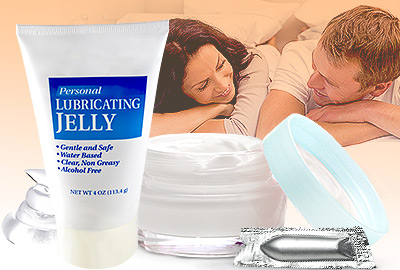
- Using a vaginal lubricant during intercourse
- Increasing foreplay
- Avoiding douching, bubble baths, and using other scented products near sensitive areas
- Trying estrogen therapy. Introducing hormones into the body can sometimes make symptoms worse so it's important to try this treatment with medical supervision. Try natural forms of estrogen first, as they have a lower risk of side effects.
More Information
Vaginal dryness isn't typically a sign of a more serious health complication, but is problematic. There are many forms of treatment available and your doctor can help you determine the best course of action. To continue reading about how to stop suffering from vaginal dryness, visit the link below.
Sources
- "Vaginal Dryness". Mayo Clinic Health Resource. 2007
- The Changing Body: Menopause Handbook.(n.d)."Vulvovaginal Symptoms". Retrieved from www.menopause.org
- Love, Susan M.D. Menopause and Hormone Book. New York: Three Rivers Press, 2003.