Menopause

Vaginal dryness remains one of the most uncomfortable symptoms of menopause: it is often extremely painful and can have a detrimental effect on a woman's sex drive. Unfortunately, many women decide to keep the symptoms of this condition to themselves rather than seek medical help. However, menopausal vaginal dryness is usually reversible.
What Is Vaginal Dryness?
Generally, before menopause, the skin and tissues around the vagina are kept firm and moist by fluids produced at the neck of the womb (cervix). Estrogen has a direct effect on these glands, meaning the lining of the vagina remains strong and elastic. It also stimulates the vaginal cells to produce glycogen, a protein that encourages bacteria that help protect the vagina from infection.
After menopause, the ovaries are unable to produce as much estrogen. This leads to a thinning of the tissues around the vagina and a reduction in the number of glands that produce mucus. As a result, a woman may experience atrophic vaginitis, in which the vagina becomes shorter, less elastic and dryer.
What Symptoms Are Associated with Vaginal Dryness?

Vaginal dryness is usually identified initially by a growing pain and discomfort in the area. Vaginal dryness can lead to pain during sex, a change in vaginal discharge (white or yellow discharge may occur), itchiness, and urinary problems. Urinary problems are the result of the thinning and weakening of the tissues around the neck of the bladder.
If you feel your vaginal dryness is the result of an underlying medical condition, consult a medical professional. When visiting the doctor you should:
- Make a list of points to discuss.
- Write down what the doctor tells you.
- Give the doctor any information that you may feel is relevant, including a history of the condition and symptoms that you've experienced.
What Are the Treatments for Vaginal Dryness?
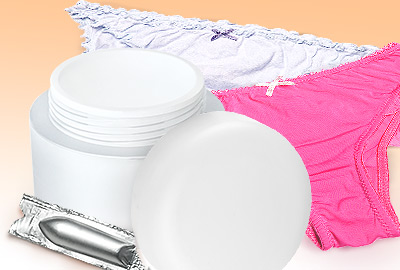
Treatment for vaginal dryness may depend on which of your symptoms are the most bothersome. Because vaginal dryness is the result of a lack of estrogen, most solutions, natural or otherwise, involve replacing estrogen in the body. For example:

Estrogen creams
Sometimes a cream, or vaginal ring containing estrogen is prescribed. This has the effect of restoring estrogen levels to the vaginal area without affecting rest of the body. This is typically used every day for a period of two weeks and then twice a week for three months.
Natural remedies
These can work by stimulating the body's own hormone production systems. Thus, instructing the body to produce its own estrogen without the need for outside help.
Click for more information on natural ways of treating vaginal dryness.
Sources
- "Vaginal Dryness". Mayo Clinic Health Resource. 2007
- The Changing Body: Menopause Handbook.(n.d)."Vulvovaginal Symptoms".Retrieved from www.menopause.org
- Love, Susan M.D. Menopause and Hormone Book. New York: Three Rivers Press, 2003.