Menopause
Vaginal dryness in postmenopausal women is common and can cause discomfort, itchiness, and pain, especially during sex. However, painful sex and vaginal dryness do not need to be an accepted part of aging.
Continue reading to learn more about vaginal dryness in geriatric women, including the symptom's causes and treatment options, for a happier, healthier you.
What Causes Vaginal Dryness in Postmenopausal Women?
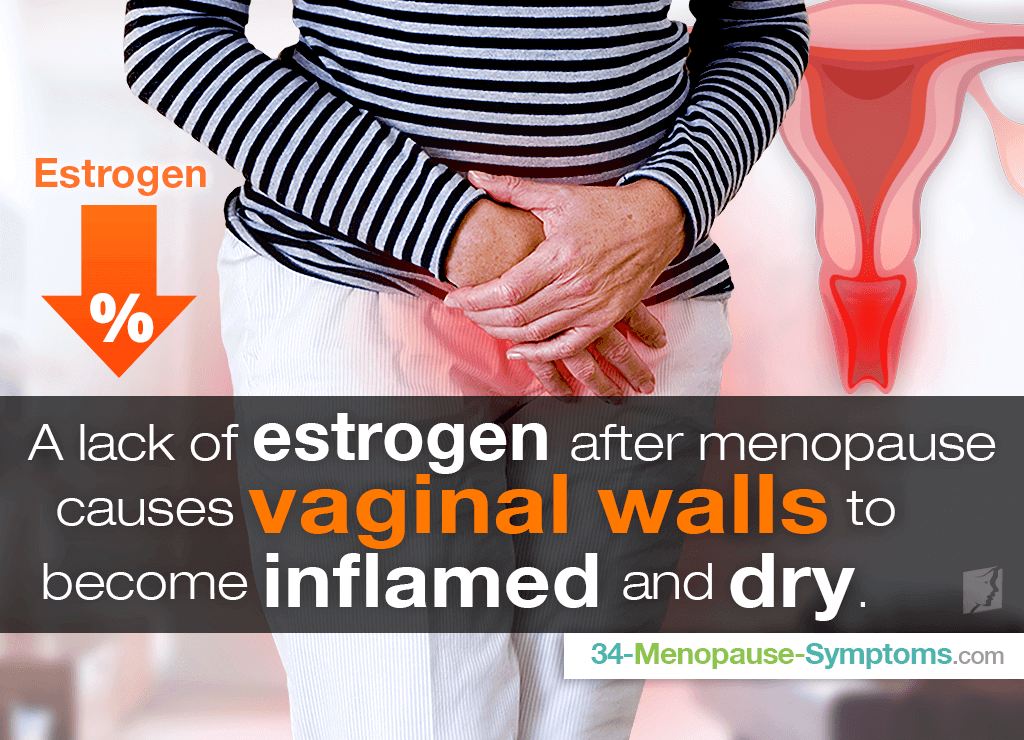
Throughout women's reproductive lives, estrogen is the hormone responsible for keeping the vagina walls moist and lubricated because it secretes a thin layer of mucus from the membranes. For as long as the ovaries continue hormone production, estrogen will positively contribute to optimal vaginal health.
However, as the hormone decreases drastically after menopause, a lack of estrogen causes vaginal wall to secrete less mucus and become thinner and weaker. This condition, in which vaginal walls become inflamed and dry due to the estrogen shortage, is known as vaginal atrophy.
This drastic hormonal shift beyond menopause can cause a host of postmenopause symptoms and more serious conditions as well if not managed accordingly.
Nevertheless, there are different treatments that effectively relieve vaginal dryness in geriatric women.
How Can Vaginal Dryness During Postmenopause Be Resolved?
Vaginal dryness into postmenopause can be managed effectively using various products and methods.
Soothe vaginal dryness and reduce friction during sex by using a water-based lubricant. Lubricant is not absorbed into the vaginal tissues and increases comfort and pleasure during sexual intercourse. Choose a water-based lubricant since other types could break condoms and increase the risk of infections.
Along with lubricants, vaginal moisturizers are also available over the counter. These are used on a regular basis, not just before having sex. Unlike lubricants, vaginal moisturizers are absorbed into the vaginal tissue to reduce vaginal dryness.
It is also important to regularly stimulate the vagina in order to increase blood flow to the area, which helps strengthen the vagina and increase moisture secretion. This can be done through different forms of intercourse, including sex with a partner, self-stimulation, or by using a vibrator or another stimulant.
However, the best way to treat vaginal dryness in geriatric women who are in their postmenopausal years is to target the underlying cause, hormonal imbalance.
The first level of treatment starts with making lifestyle adjustments of incorporating regular exercise into your daily routine for endocrine system health, reducing stress to avoid exacerbation of symptoms, and optimizing your diet to be rich in phytoestrogens, plant-based estrogens. Also, consider the use of alternative medicines, such as phytestrogenic or hormone-regulating supplements, to resolve vaginal dryness into postmenopause.
Nonetheless, those who want rapid relief from vaginal dryness and other symptoms often look to hormone replacement therapy (HRT), which increases the amount of estrogen in the body by introducing exogenous estrogens. HRT can come in the form of a tablet, patch, suppository, vaginal ring, or cream. Although, HRT can increase your risk of developing some serious medical conditions, such as breast or ovarian cancer. Speak to your doctor about risk factors before use.
Many women find a combination of approaches works best for their personal lifestyles. Find out more about further treatments for vaginal dryness. Find out more about further treatments for vaginal dryness.
More about Vaginal Dryness
If vaginal dryness is lowering your quality of life or causing pain and discomfort during sex, understand that you're not alone. The symptom is caused by lack of estrogen after menopause and is one of the most common postmenopausal symptoms. Treatment options include those aimed at managing the discomfort - lubricants, moisturizers, and stimulation - as well as those focused on treating the underlying cause, hormonal imbalance. Rest assured that with proper initiative, this symptom does not have to last for the rest of your twilight years.
Sources
- Cleveland Clinic. (2013). Women Over 50: 7 Ways to Improve Your Sex Life. Retrieved October 11, 2018, from https://health.clevelandclinic.org/women-over-50-7-ways-to-improve-your-sex-life/
- Mayo Clinic. (2018). Vaginal atrophy: Symptoms & causes | Vaginal dryness after menopause: How to treat it? Retrieved October 11, 2018, from https://www.mayoclinic.org/diseases-conditions/vaginal-atrophy/symptoms-causes/syc-20352288 | https://www.mayoclinic.org/vaginal-dryness-after-menopause/expert-answers/faq-20115086
- The North American Menopause Society. (n.d.). Vaginal and Vulvar Comfort: Lubricants, Moisturizers, and Low-dose Vaginal Estrogen. Retrieved October 11, 2018, from https://www.menopause.org/for-women/sexual-health-menopause-online/effective-treatments-for-sexual-problems/vaginal-and-vulvar-comfort-lubricants-moisturizers-and-low-dose-vaginal-estrogen