Menopause
Vaginal dryness, a common menopause symptom, is characterized by a lack of moisture in the vaginal area, as well as itching, stinging, soreness, and light bleeding after intercourse. While it is a nature occurrence during times of hormonal transition, vaginal dryness can negatively impact a woman's sex life.Fortunately, by knowing more about what causes vaginal dryness you can manage and take your sex life.
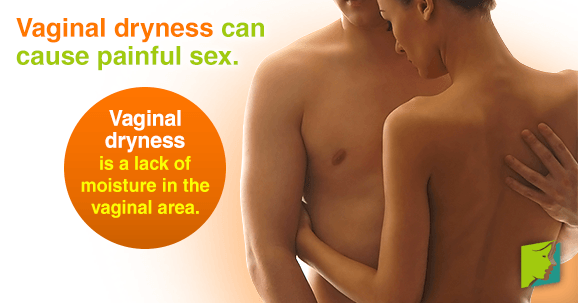
Why Is Sex More Painful When I Am Suffering from Vaginal Dryness?
When a woman enters menopause, her production of estrogen, progesterone, and testosterone fluctuates. When estrogen levels decrease, the vulva and vaginal tissues become thinner and dryer. Additionally, the flow of vaginal secretions, which normally moisten the vagina during arousal, decrease. As a result of less moisture coating the vagina, sexual motions can become painful.
Is it Still Okay to Have Sex When I Have Vaginal Dryness?
Vaginal dryness is a very common symptom of menopause, and becoming abstinent is not at all necessary. The condition is highly treatable, and various remedies exist to ensure that sex remains a pleasurable and painless experience. Don't be embarrassed by vaginal dryness: take steps to enjoy a normal sex life.
What Can Be Done about Vaginal Dryness during Sex?
Painful sex or no sex are not the only options.
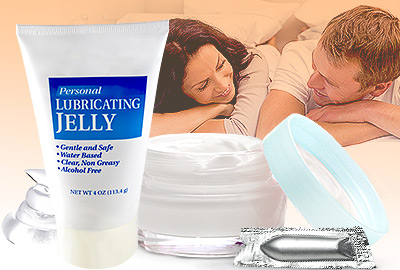
Use lubrication
Buy an over-the-counter, water-based lubricant and apply it before intercourse or during foreplay. This substance imitates naturally-occurring vaginal moisture and decreases friction during sex.Engage in more foreplay.
Encourage your partner to go slow and dedicate more time to foreplay
The additional stimulation will increase blood flow to the vagina, increase moisture, and result in a more pleasurable sexual experience.Condoms. They can reduce the friction between the penis and the vagina and increase lubrication. Additionally, it is possible to contract sexually transmitted infections even after menopause. Therefore, condoms or other forms of barrier contraception should be used during sex.
Are There Other Treatment Options for Vaginal Dryness?
Fortunately, there are methods of treating vaginal dryness beyond lubricants.
Creams and moisturizers
The advantageous effect of directly applying creams that imitate natural vagina moisture is it can last for days. Use these as ongoing treatments for dryness.
Yoga and exercise
Exercise also increases fitness levels and strengthens the body, leaving it less susceptible to infections and vaginal dryness. Multiple studies have also revealed that yoga's therapeutic results extend to combating other symptoms of menopause as well. Practicing pelvic floor exercise, called Kegels, is also known to promote increased blood flow to the vagina.
Vaginal estrogen therapy
Prescription estrogen products can work well in severe cases of vaginal dryness. Before embarking on the treatment, however, women should discuss the risks involved with their doctor.
More Information about Vaginal Dryness
To discover more about these methods, follow this link to treatments for vaginal dryness.
Sources
- Love, Susan M.D. Menopause and Hormone Book. New York: Three Rivers Press, 2003.
- "Vaginal Dryness". Mayo Clinic Health Resource. 2007
- The Changing Body: Menopause Handbook.(n.d)."Vulvovaginal Symptoms".Retrieved from www.menopause.org