Menopause
Vaginal atrophy is also called vaginal dryness or atrophic vaginitis. This condition mainly affects menopausal women, but also affects many women who have low estrogen levels, which can happen post-partum. The decreased estrogen levels in the body cause the vaginal walls to become thinner, drier, and inflamed. This can lead to general discomfort and itching along with pain during sex.
The Relationship between Menopause and Vaginal Atrophy
Before menopause, the vagina is kept moist by mucus membranes. Estrogen in a woman's body helps these membranes to lubricate the vagina and keep it moist and strong. The lubricant produced has a certain acidity level, which helps to protect the vagina from foreign bacteria, guarding against infection and keeping vaginal dryness at bay. Decreased estrogen levels during menopause can result in vaginal atrophy, which causes pain during sex and discomfort during day-to-day activities.
Menopause and Vaginal Atrophy: The Causes
Reduction in the levels of the hormone estrogen is the main cause of vaginal atrophy. This usually occurs after a woman gives birth, as well as during the menopause transition. However, vaginal atrophy does not just happen due to hormonal changes. It can also be caused by conditions such as:
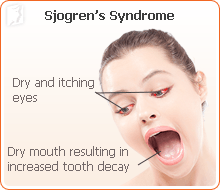
Sjogren's syndrome. This is an autoimmune disorder in which the immune system attacks the body's glands that secrete moisture. This can cause vaginal dryness, along with dry eyes, dry mouth, and other symptoms.
Cancer treatments. Many women with cancer suffer from vaginal dryness. Although one of the most common treatments for vaginal dryness is estrogen therapy, this is not recommended to people who have or had reproductive or breast cancer, because estrogen therapy increases a woman's risk of getting these conditions.
- Chronic yeast infections. If you are suffering from chronic or reoccurring yeast infections, it is a good idea to see a doctor to get this treated.
Menopause and Vaginal Atrophy: Treatments
Vaginal atrophy during menopause is generally caused by decreased levels of estrogen in a woman's body. Many women first look to two classes of over-the-counter products to treat vaginal atrophy. The first is lubricant. Lubricant is used during sex to reduce friction and is not absorbed into the body. Usually, water-based lubricant is recommended because other types of lubricants can cause condoms to break and increase the risk of infection.
The second type of over-the-counter treatment is vaginal moisturizer. Vaginal moisturizer is usually applied regularly, a few times a week. Unlike lubricant, vaginal moisturizer is absorbed into the vaginal tissue and has a longer-lasting effect than lubricant.
If these solutions are not enough, one of the most effective treatments for vaginal dryness is hormone replacement therapy (HRT). HRT increases the amount of estrogen in the body and has been shown to relieve vaginal dryness. However, it can increase a woman's risk for certain conditions, so it is important to talk to your doctor about your risk factors before you begin taking HRT. Click on the following link to learn more about treatments for vaginal dryness.
Sources
- Bachmann, G.A. & Nevadunsky, N.S. (2000). Diagnosis and Treatment of Atrophic Vaginitis. American Family Physician, 61, 3090-3096. Retrieved from http://www.aafp.org/afp/2000/0515/p3090.html
- Mayo Clinic Staff. (2013). Vaginal Atrophy. Retrieved November 11, 2015, from http://www.mayoclinic.org/diseases-conditions/vaginal-atrophy/basics/definition/con-20025768