 Menopause
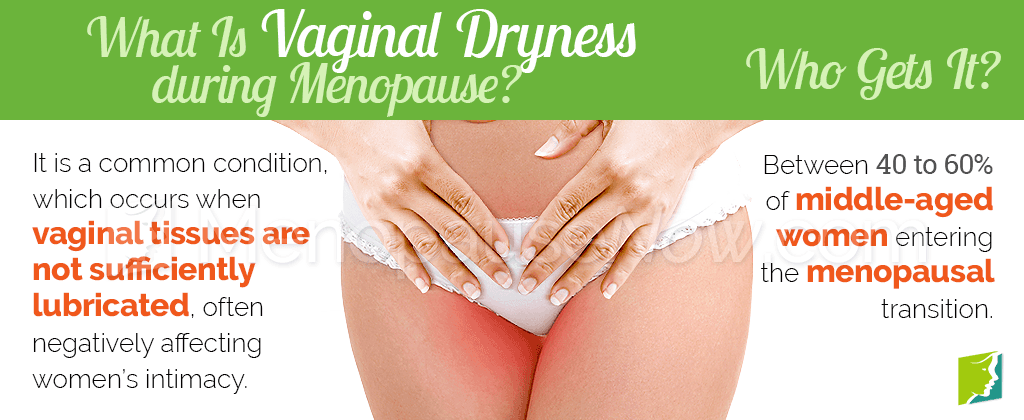
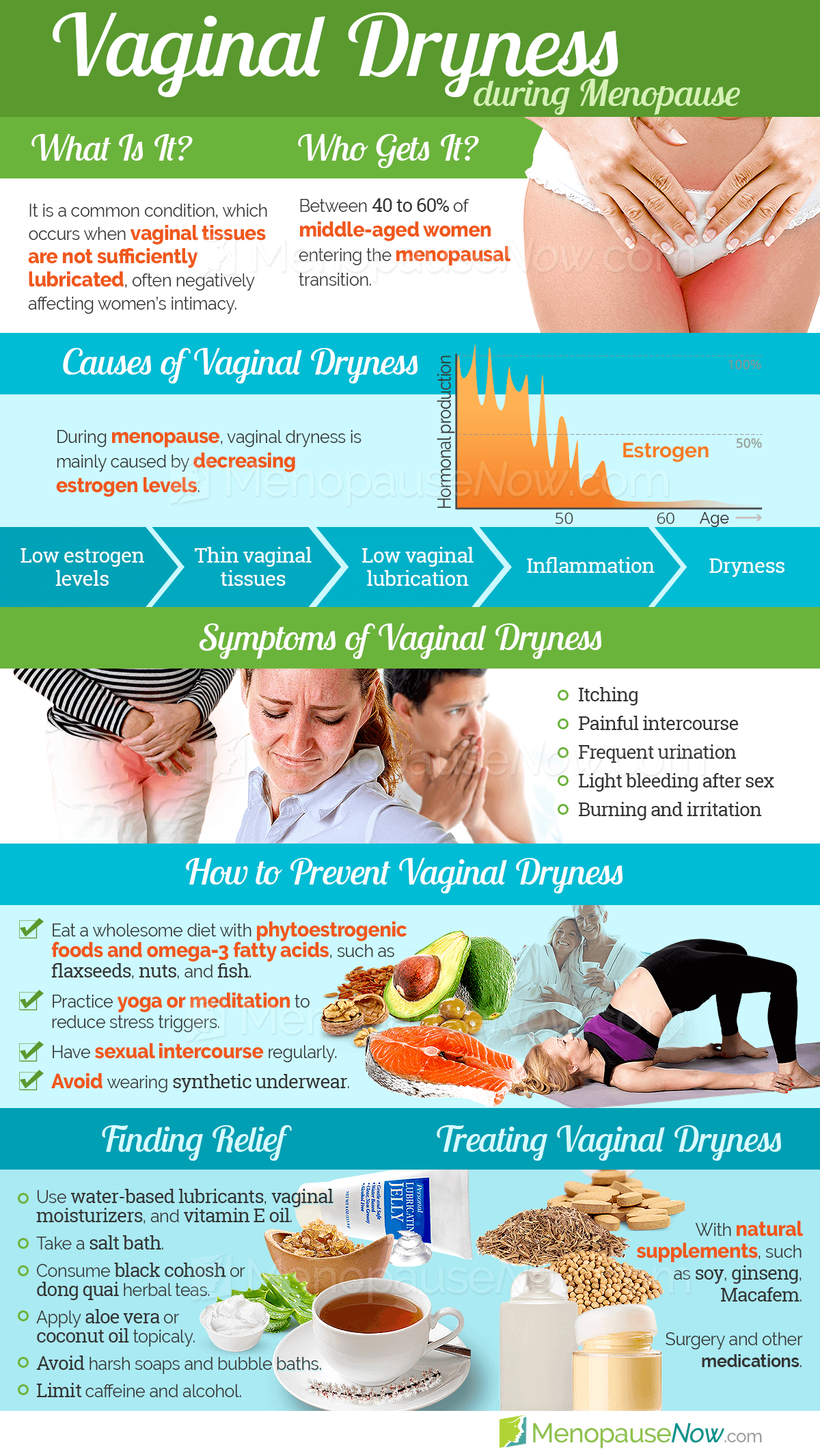
Though vaginal dryness can occur at any point in a woman's life, this troubling condition is more likely to happen during menopause due to decreasing levels of estrogen in the body. Hormonal changes characteristic of menopause can alter the moisture levels in the body, including the vaginal area. Studies report that 40 - 60% of women develop vaginal dryness during the menopausal transition.
Other studies indicate that many women are not informed or are embarrassed to ask about vaginal dryness. However, learning more about this common symptom of menopause is one of the best ways to seek a solution and improve one's physical and emotional well-being. Continue reading to discover more about vaginal dryness.
About Vaginal Dryness
Vaginal dryness, medically termed atrophic vaginitis, is defined as a lack of adequate moisture in the vaginal area.
The body naturally lubricates the vaginal walls with a thin layer of moisture. This moisture layer is made of a clear fluid excreted through the vaginal walls. When a woman is sexually aroused, these blood vessels receive more blood flow, stimulating the secretion of fluids, thus increasing vaginal lubrication.
However, hormonal changes that occur with menopause and other life events can disrupt this process, both during sex and in daily life. Symptoms of vaginal dryness can range in severity from mild and slightly annoying to significantly disruptive.
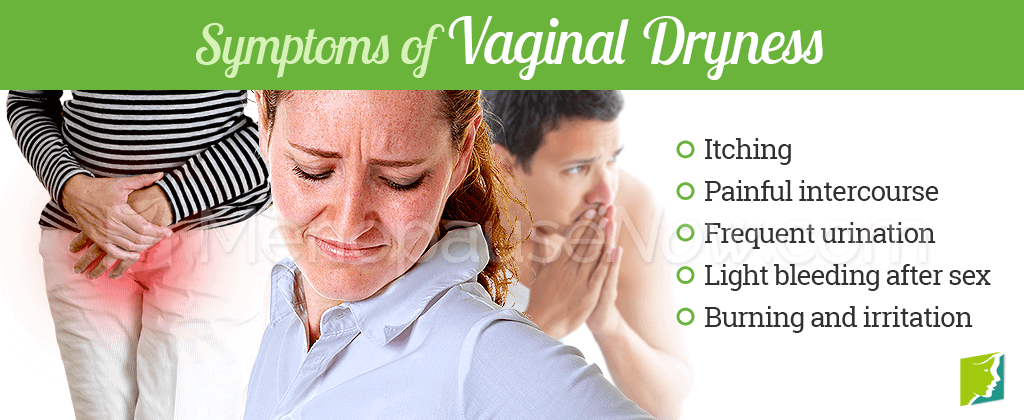
Many women find that the symptoms of vaginal dryness can affect the way they feel about themselves, sex, and life in general. There are a wide range of possible sensations, though the following are the most common symptoms involved with vaginal dryness.
- Itching
- Light bleeding during sex
- Painful intercourse
- General discomfort
- Burning
- Stinging
- Irritation
- Frequent urination
- Discomfort when wearing pants
- Pressure in the area
While these symptoms are common, certain factors can aggravate or worsen vaginal dryness during menopause.
For example, stress is a major trigger of vaginal dryness. Click on the following link to learn more about vaginal dryness, or keep reading below to learn more about the causes of vaginal dryness.

Causes of Vaginal Dryness
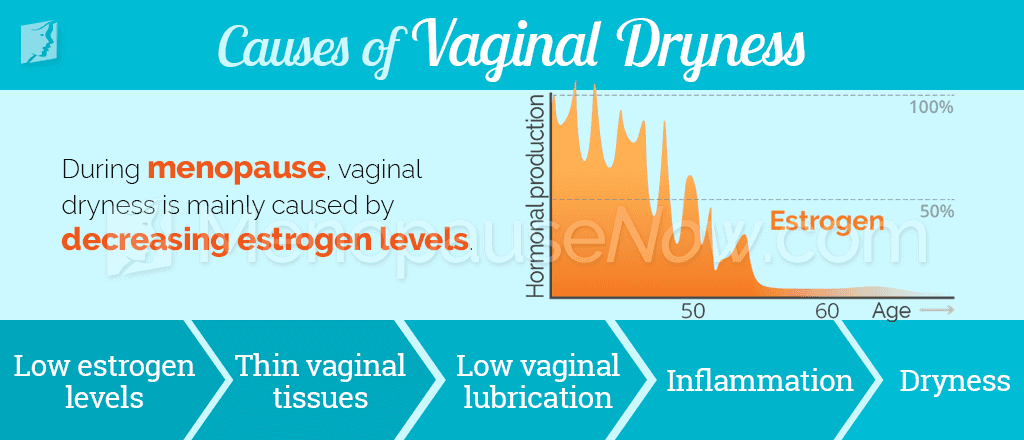
During the menopausal transition, the ovaries begin to produce less estrogen in preparation for the cessation of menstruation (i.e., menopause). This decrease in estrogen is the primary cause of vaginal dryness during menopause, which typically begins in a woman's 40s or 50s.
Reduced estrogen levels often cause the vulva and vaginal tissues to become thinner, drier, and less elastic, a condition called atrophy.
During this time, vaginal secretions also diminish, with a correlating decrease in lubrication. Drops in estrogen also change the pH level of the vagina, making the once acidic environment more alkaline, which can increase irritation and the likelihood of vaginal infection.
In addition to hormonal causes, other physiological, environmental, and emotional factors can cause or contribute to vaginal dryness.
- Autoimmune diseases (e.g., Sjogren's syndrome)
- Infections (bacterial, viral, or sexually transmitted)
- Certain medications (e.g., antihistamines, cold medications, antidepressants)
- Cancer treatments
- Smoking and alcohol consumption
- Douching
- Allergic reaction to chemicals in soaps, detergents, etc.
Emotional causes
Stress is a major factor that can cause or increase the severity of vaginal dryness. Other emotional problems, including anxiety and depression, can lead to lack of arousal and vaginal dryness. Unresolved relationship problems can also result in decreased vaginal lubrication during sexual activity, loss of libido, and problems with arousal.
Fortunately, a woman can take many simple steps toward managing vaginal dryness on her own. Click on the following link to read about the causes of vaginal dryness, or continue reading about the different treatment options available.

Vaginal Dryness Treatments
Fortunately for menopausal women, vaginal dryness is not a condition that has to be permanent. There are self-management techniques to cope with this symptom, as well as varying degrees of treatment options available. It is recommended to begin with the least invasive method and progress up to more drastic treatments if symptoms are not improved.
To begin with, there are lifestyle changes that can be implemented, such as dietary adjustments or a different exercise program. Stress reduction techniques - such as meditation or yoga - can help women to relax if their vaginal dryness is stemming from emotional causes. Communication with one's partner is also very important.
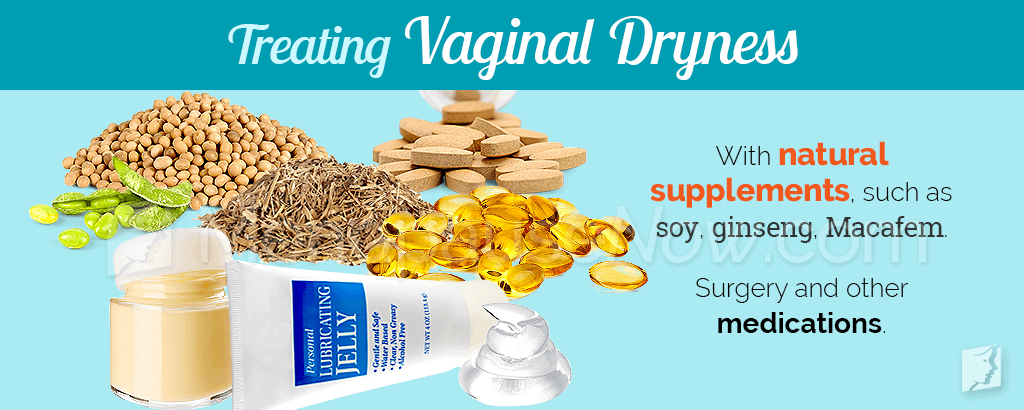
To ease physical symptoms, over-the-counter products - such as vitamin E, vaginal moisturizers, or water-based vaginal lubricants - may assist in providing sexual comfort.
Diet tips
A diet rich in soy and flaxseeds promotes vaginal health and may prevent vaginal dryness thanks to their phytoestrogens.
However, as the primary cause of vaginal dryness in menopausal women is the natural decline in estrogen levels that is typical at this time, the most logical method of restoring vaginal lubrication is to address the underlying hormonal imbalance. Natural supplements can be an easy, safe, and effective treatment option.
For more severe or persistent cases, it is beneficial to seek the advice of a healthcare professional. Pharmaceutical options exist, though they carry a higher risk of side effects. Vaginal estrogen therapy is an option in the treatment of vaginal dryness, which may be an alternative with a lower risk of side effects than HRT, due to minimized absorption of the medicine into the bloodstream. In any case, consulting a doctor is necessary due to the possibility of complications.
Click on the following link to learn specific treatments for vaginal dryness. The most effective treatments for vaginal dryness typically combine lifestyle changes and alternative medicines.



Sources
- Love, S. (2003). Menopause and Hormone Book. New York: Three Rivers Press.
- National Institutes of Health. (2013). Vaginal dryness. Retrieved April 6, 2016, from https://www.nlm.nih.gov/medlineplus/ency/article/000892.htm