Menopause
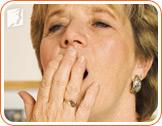
Insomnia, one of over 70 identified sleep disorders, is the term used for a serious condition in which women are unable to get quality sleep on a regular basis. Trouble falling or staying asleep and feeling profoundly tired throughout the day are all signs of insomnia.
When women suffer from insomnia, they become more at risk of developing other health problems, like depression and anxiety. Irritability is common in women who have not had sufficient sleep, as they are missing out on the time when the body and mind rejuvenate.
Types of Insomnia
There are two types of insomnia:
Primary Insomnia

Problematic sleeping patterns that are not connected to any medical issue.
Secondary Insomnia
Having trouble sleeping because of health reasons, medication or substance consumed (i,e., alcohol or drugs). Menopausal insomnia falls into the latter category.
What Are The Effects?
Lack of sleep can be harmful to your body in many ways. It has both physical effects, like weight loss or gain, and also mental effects such as:

- Depression
- Inability to concentrate
- Memory lapses
- Tense work or personal relationships
Insomnia can often be cyclically vicious. When you're running on no sleep you may crash in the middle of the day and need to nap for a few hours. This will often mean that later that night you will feel wide awake and unable to sleep.
Why Can't I Sleep?
There are many triggers for insomnia, and during menopause this is often due to a flux in estrogen levels. This affects progesterone and magnesium production, both of which are sleep inducers, thus making it difficult to sleep. Not only is the sleep cycle directly affected by these chemicals, but other menopausal symptoms can also have an effect on your sleep pattern. These additional problems include:
- Night sweats
- Stress
- Anxiety
- Muscle tension
What Can I Do to Get Optimum Rest?
If your insomnia began at the onset of menopause and is the result of a chemical imbalance, there are several lifestyle changes you can implement to help regulate your hormone levels. Read on to discover more.
Eat a Balanced Diet

Hydration and healthy food will promote overall wellness and balanced hormones.
Avoid Alcohol
The substance can make you feel drowsy at first, but will make you more likely to wake up later on at night.
An Exercise Routine

Exercising will help your body feel tired at the end of the day and shift your mental focus away from any anxieties or thoughts which may be running through your brain.
No More Caffeine
Instead of this stimulant, why not switch to decaf coffee?
Melatonin Supplements
This type of medication aids sleep, though if you're thinking of using Melatonin, you should always discuss your symptoms fully with your doctor first. Read on to learn about other instances when you may need to contact your doctor.
When Should I See a Doctor?
If you are still affected by insomnia despite implementing these lifestyle changes, your conditions lasts more than a few weeks, or your personal life is being affected, it may be time to talk to a professional about treatments. Alternative medicine and prescription sleep aids are common treatments.Read more information about insomnia treatments.
Sources
- Breus, Michael. (n.d)."Menopause and Sleep".Retreived from MedicineNet.
- Love, Susan M.D. Menopause and Hormone Book. New York: Three Rivers Press, 2003.
- Walsleben, Joyce M.D. "Ask the sleep expert: menopause and insomnia". National Sleep Foundation.
- "Your Guide to Healthy Sleep". National Institute of Health, April 2006.