Menopause
Postmenopausal sleep problems are not uncommon occurrences for many women. Continue reading to learn more about the various symptoms, causes, and treatment options so you can know how to best tackle the issues for a restful night's sleep.
What Is a Sleep Disorder? How Is It Related to Menopause?
Quick Fact:
If you have previously struggled with sleep problems, these problems can increase in severity during postmenopause.
Sleep disorders are ailments affecting normal sleeping patterns. Sleep disorders can affect psychological and physical function, resulting in insomnia, snoring, and sleep apnea.
Many women find their sleep is restless and disturbed after menopause. Symptoms may include waking up more often than normal, tossing and turning all night, and a general inability to fall asleep.
What Causes Postmenopausal Sleep Problems?
The causes of sleep disorders in postmenopausal women can be broadly divided into psychological and physical factors:
Psychological. Being overworked, under daily emotional stress, and tired can cause sleep problems at night, regardless of a woman's age. Luckily, cases resulting from stress are mostly temporary, and the sleeping problems disappear when the stress eases.
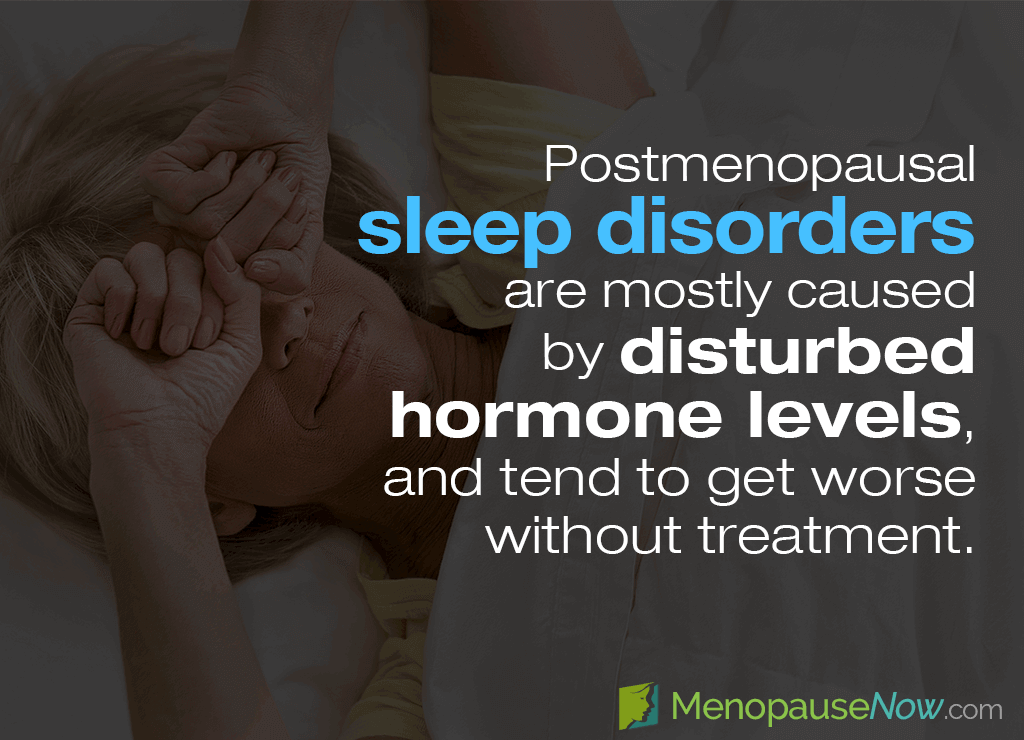
Physical. The majority of postmenopausal sleep disorders are caused by imbalanced hormone levels. Declining estrogen causes a variety of effects, including a decrease in the hormone serotonin, which is used to create melatonin (a sleep hormone).
Because sleeping disorders during postmenopause tend to get progressively worse without treatment, taking proper initiative is important.
What Can Postmenopausal Women Do About Sleep Disorders?
There are various management techniques that can be instilled to prevent the aggravation of postmenopausal sleep problems, including, but not limited to:
- Keep your bedroom well-ventilated.
- Stay cool by wearing loose clothing to bed.
- Exercise regularly, but not right before sleep.
- Avoid eating a complete meal right before bedtime.
- Maintain a regular bedtime Schedule.
- Avoid excessive caffeine consumption after the late afternoon.
- Avoid naps during the day, which can prevent you from sleeping well at night.
In general, maintaining healthy hormonal levels is the key to treating sleep disorders after menopause once and for all. In addition to aforementioned lifestyle changes, there are a range of pharmaceutical and alternative medicines as treatments for sleep disorderstreatments for sleep disorders during postmenopause. Click on the previous link to learn more.
Sources
- Jehan, S. et al. (2015). Sleep Disorders in Postmenopausal Women. Journal of Sleep Disorders and Therapy, 4(5), 1000212. doi: 10.4172/2167-0277.1000212
- National Sleep Foundation. (n.d.). Menopause and sleep. Retrieved February 6, 2019, from https://www.sleepfoundation.org/articles/menopause-and-sleep