


Understanding Night Sweats Causes

HOME

Topics About:
night sweats

Definition
Symptoms
Who is affected?
Hormonal causes
Other causes
Triggers

Articles About:
night sweats

General
Understanding Night Sweats Causes

Understanding Night Sweats Causes

Many women who experience night sweats want to learn more about them and to understand night sweats causes. Better understanding of night sweats causes will enable women to avoid certain triggers and to deal with night sweats causes effectively. Below you can find detailed information about night sweats causes and how best to deal with these.

Identifying night sweats causes

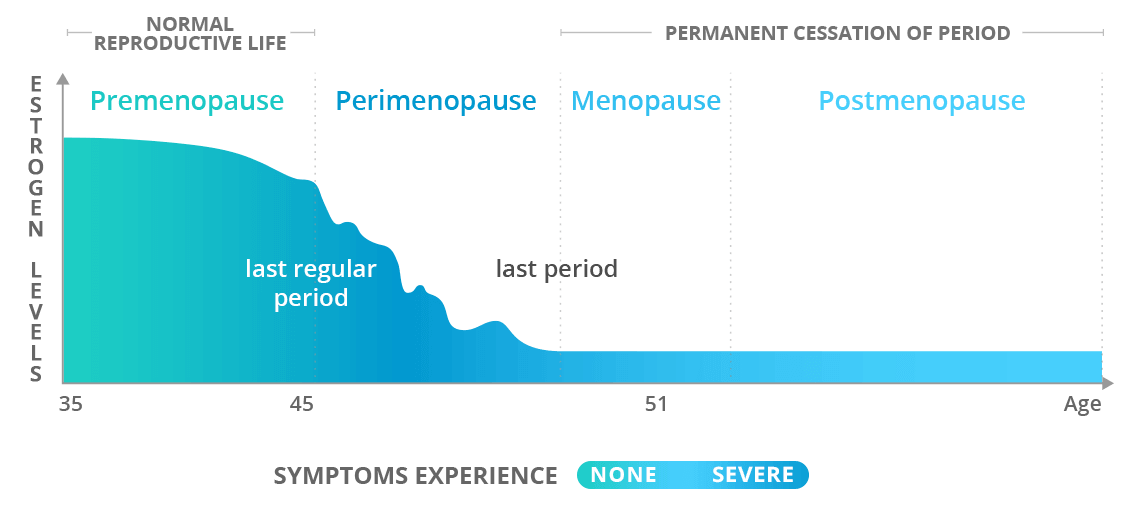
night sweats understandingWhile the exact cause of night sweats is unknown, most experts point to hormonal imbalance as the primary culprit. During menopause, the body begins to produce less estrogen which can prompt the hypothalamus – the part of the brain that regulates body temperature – to think that the body is too hot. In response, it launches a cascade of the physiological reactions that menopausal women experience as hot flashes or night sweats.

There are various other night sweats causes. While hormonal imbalance is by far the most common cause of night sweats in menopause, there are rare medical causes such as diabetes, anxiety, neurological conditions, sleep apnea, cancer, and thyroid disorder. Furthermore, some medical conditions can result in night sweats causes and a woman who experiences night sweats accompanied by other unexplained symptoms is advised to speak with her medical practitioner.

Night Sweats Triggers

Certain factors can intensify night sweats causes or make them more regular. These triggers can be divided into three main categories; environmental, emotional, and behavioral. While it may not be possible to completely prevent night sweats causes, it is certainly possible to reduce their frequency by taking a few simple measures. Avoiding the following night sweats causes can help menopausal women alleviate night sweats.


Environmental Triggers

• Excess bedding
• Close proximity to bed partner
• Hot rooms
• Warm weather
• Saunas, tubs, hot showers

Emotional Triggers

• Stress
• Anxiety
• Disturbing dreams

Behavioral Triggers

• Hot or spicy foods
• Alcohol or caffeine
• Diet pills
• Smoking
• Drug use

Managing night sweat causes

Night sweats causes can be managed by avoiding the common triggers listed in the table above. Additionally, making simple lifestyle changes can help to reduce the frequency and severity of night sweats causes. This approach typically involves taking steps to relieve stress, improving your diet, and doing regular exercise.

night sweats massageHowever, while these lifestyle changes can help to relieve night sweats and improve sleep patterns, they are unable to get to the root cause of night sweats causes, which is hormonal imbalance. Fortunately, alternative medicine treatments are available to safely and effectively correct hormonal imbalances with little or no risk. In fact, most experts recommend that women combine lifestyle changes with natural therapies to relieve night sweats.

In extreme cases, women may turn to more severe measures to treat their night sweats causes, such as pharmaceutical or surgical options. These medical options are usually only recommended if this combined approach does not help.

Most experts suggest that women who suffer from night sweats causes and wish to treat them begin with lifestyle changes, then move onto alternative medicines (ideally combining the two) and finally, look to drugs or surgery if nothing else seems to work.

Other Related Articles:
What do night sweats indicate?
What causes heavy night sweats?
The causes of Night Sweats
Symptoms of night sweats

Sources:
  • The National Institute of Health. "Signs of the Menopausal Transition." www.nih.gov.
  • Boston Women's Health Collective. "Hot Flashes, Night Sweats and Sleep Disturbances." Our Bodies, Ourselves, 2006.
  • Von Muhlen, DG, et al. "A community-based study of menopause symptoms and estrogen replacement in older women." Maturitas. Sept 1995; 22(2):71-8.