Menopause
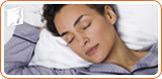
Night sweats are a problem that causes its sufferers to sweat excessively during sleep. The condition is not directly harmful, but can often be embarrassing and debilitating for those who suffer from its effects. Night sweats sufferers will often have their sleep disrupted, waking up with damp nightwear or sheets.
What Causes Night Sweats?
Rare Cases
In rare cases, night sweats can be a symptom of tuberculosis, AIDS, or cancer. For this reason, it is important to discuss any concerns with your doctor.
A number of different factors can cause night sweats, though the majority of women will experience them as a symptom of menopause. Other causes of night sweats include the side effects of certain types of medication.
Night sweats that are a result of menopause are caused by decreased estrogen levels. Estrogen is partially responsible for regulating internal body temperature, and when estrogen levels decrease, the body may think that it is overheating when it is not. This causes the body to sweat in order to cool down. This experience is called a "night sweat."
Treatments for Night Sweats
The following are the most common treatments and management techniques for night sweats among menopausal women.
Changes in habit
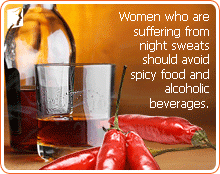
Lifestyle changes may reduce night sweats. This includes reducing the intake of spicy foods and alcohol, as well as hot and cold caffeinated drinks. Other simple methods include lowering the temperature of your room by using a fan or air conditioning, or having a cool drink at hand and wearing lightweight sleepwear made of breathable fabric.
Natural treatments
Some women who suffer from night sweats during menopause opt for natural remedies such as phytoestrogenic herbs to alleviate their symptoms. Some research shows that these herbs are no better than the placebo effect, but some women do find them effective.
Medical treatments
The most effective medical treatment for night sweats is hormone replacement therapy (HRT). HRT increases the amount of estrogen in the body. This reduces menopause symptoms such as hot flashes, night sweats, mood swings, and vaginal dryness. Click on the following link to learn more about night sweats.
Sources
- Mayo Clinic Staff. (2014). Night Sweats. Retrieved November 10, 2015, from http://www.mayoclinic.org/symptoms/night-sweats/basics/definition/sym-20050768
- National Health Service UK. (2014). Night Sweats. Retrieved November 10, 2015, from http://www.nhs.uk/conditions/night-sweats/Pages/Introduction.aspx