Menopause

They strike in the middle of the night, leaving you sweaty, overheated and trying to count sheep to fall back asleep. Night sweats are a common symptom of menopause, affecting about 75% of all women.
What Causes Night Sweats?
During menopause, ovulation ceases and the body decreases its production of the sex hormones estrogen, progesterone, and testosterone. When hormone levels fluctuate the body begins to experience a number of unpleasant symptoms. Even after you have entered postmenopause, the body may need time to adjust to the new hormone levels. As a result, night sweats and other menopausal symptoms may continue well after menopause has ended.
In addition to hormone imbalance, night sweats may be triggered by spicy foods or hot drinks, some types of clothing, and certain medications.
Postmenopause: The End of Night Sweats?
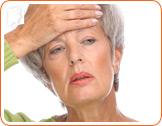
Many women assume that when they reach the postmenopause phase, all their menopausal symptoms will immediately disappear. Unfortunately, this is not true. While not every woman continues experiencing night sweats and other symptoms in the postmenopause stage, some do, and it can persist for several years. In fact, it has been suggested that about 10% of women over the age of 65 continue to experience night sweats. Postmenopausal night sweats may be accompanied by body pains, fever, muscle cramps, and a tingling sensation.
What Can I Do to Relieve My Symptoms?
Doctors agree when seeking relief from night sweats, lifestyle and dietary changes are the first line of defense. One of the most effective ways to alleviate symptoms is to drink plenty of water. Dehydration is one of the leading causes of elevated body temperature and can exacerbate night sweats.
Also try integrating more soy and vitamin B into your diet and reduce your consumption of alcohol and caffeine. Keep the following considerations in mind when trying to manage your night sweats.

- Sleep in lightweight, breathable layers
- Avoid spicy foods
- Avoid hot beverages
- Exercise regularly and practice controlled breathing
While lifestyle and dietary changes are the safest way to treat symptoms linked to hormonal imbalance, there are many herbal and pharmaceutical treatments available that may help with night sweats.
Sources
- The National Institute of Health.(n.d). "Signs of the Menopausal Transition".Retrieved from www.nih.gov
- Boston Women's Health Collective. "Hot Flashes, Night Sweats and Sleep Disturbances". Our Bodies, Ourselves, 2006.
- Von Muhlen, DG, et al. "A community-based study of menopause symptoms and estrogen replacement in older women". Maturitas. Sept 1995; 22(2):71-8.