Menopause
Night sweats often occur during the reproductive phase preceding menopause - perimenopause. They are experienced as just one of the many disruptive and uncomfortable symptoms which characterize this transitional period. Unfortunately however, almost 75% of women will experience night sweats before, during, or after menopause. It is important therefore, to understand night sweats and their triggers in order to effectively control this common symptom.
What Causes Night Sweats?
Night sweats are referred to scientifically as “nocturnal hyperhydrosis”. Although the experience can lead to sleep difficulties, the common menopause symptom is not classified as a sleep disorder, but a nocturnal perspiration ailment.Unfortunately for sufferers, night sweats can sometimes become severe enough that the temperature, chills, and perspiration changes which accompany them cause significant sleep disruptions. As getting enough sleep is essential to maintaining good physical and mental health, extended sleep disturbances such as these can negatively impact a woman's daily life.
Night sweats can start a domino effect that significantly upsets a woman's physical and emotional well-being, so fully understanding this symptom is central to combating it effectively.
Night Sweats during Menopause
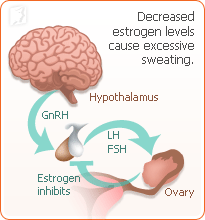
Although night sweats can be a symptom of several different ailments, when a women experiences them during her 40s and 50s, they tend to indicate menopause's proximity. Menopause is recognized as the time when a woman is no longer fertile. The body prepares for the transition into this landmark phase by making various alterations which women experience as hormone fluctuations. Normally, the brains temperature regulator, the hypothalamus, adjusts body temperature according to the environment.
However, fluctuating hormone levels can cause the hypothalamus to mistakenly believe the body needs cooling, resulting in the dilation of blood vessels and onset of night sweats
Common effects of night sweats include:
- Damp bedding
- A feeling of being too hot or cold
- Wet bed clothes
- Chills
- Perspiration
- Interrupted sleep
Treating Night Sweats during Menopause
The reduction in estrogen levels which women experience during menopause is thought to account for night sweats and many of the other symptoms. Therefore, ensuring that you are providing your body with the equipment it needs to maintain healthy hormone levels is vital. The following tips will help to decrease your risk of experiencing night sweats.
Top Tips

- Sleep in a cool room
- Take a cold shower before bed
- Drink two liters of water each day
- Keep cold water at hand
- Add herbal supplements to your diet
- Quit smoking
- Exercise regularly to reduce stress
- Avoid alcohol, caffeine, spicy foods, and hot soups
- Eat a balanced diet containing protein, fiber, fruits, vegetables and grains
Click on the link to learn more about night sweats treatments.
Sources
- The National Institute of Health. "Signs of the Menopausal Transition" www.nih.gov
- Boston Women's Health Collective. "Hot Flashes, Night Sweats and Sleep Disturbances". Our Bodies, Ourselves, 2006.
- Von Muhlen, DG, et al. "A community-based study of menopause symptoms and estrogen replacement in older women". Maturitas. Sept 1995; 22(2):71-8.