Menopause
Excitement, fear, joy, and anxiety are just a few of the emotions running high during those first months of pregnancy. These emotions are joined by many physical changes that the female body undergoes when preparing to give birth. Some of these changes, like an increase in breast size, may be happily welcomed by many expecting mothers. However, most would agree that night sweats during pregnancy - especially in the first trimester - are an unpleasant experience.
What Are Night Sweats?
Night sweats are characterized by intense perspiration that envelops the body. Most women wake up cold, wet from the sweat, and shivering. Many women also complain of being unable to go back to sleep afterward because of the clammy feeling that can result.
What Causes Night Sweats during Early Pregnancy?
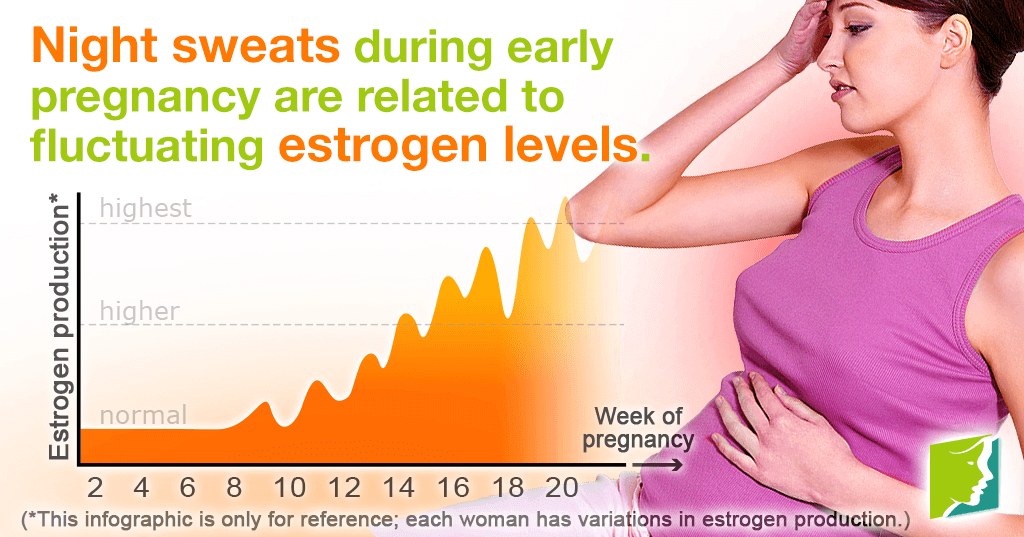
Known as nocturnal hyperhidrosis, night sweats during early pregnancy are related to fluctuating hormone levels that naturally accompany this time. Estrogen levels rise and fall unpredictably, causing the hypothalamus to interpret the fluctuations as an abnormally high body temperature, so it sends signals to the body to release a large amount of heat quickly, resulting in night sweats.
In some cases, anxiety during early pregnancy can also raise body temperature, resulting in night sweats. It is important to avoid stressful activities that can lead to anxiety episodes while pregnant.
What Can Be Done?
Hormone levels will fluctuate regardless of any action taken, but the symptoms resulting from these fluctuations can still be effectively managed by changing lifestyle habits.
Adjustments in lifestyle
It's important to continue exercising during early pregnancy, but it's best to stick to low-impact activities, such as power walking or yoga - or whatever your previous fitness levels allow for. Physical activities will ease the intensity of night sweats and aid overall health and well-being. In addition, pregnant women should eat a balanced diet with foods high in fiber, such as wheat. Vitamins B, C, D, and calcium should also be consumed because they cover common nutritional gaps during pregnancy.
Get comfortable
Early pregnancy can be an uncomfortable experience, especially for the night sweats and other bothersome symptoms a woman may experience. Alleviate the symptoms by wearing lightweight, soft, comfortable pajamas and avoiding too many blankets and synthetic fabrics. Keep a towel and cold water near your bed to cool down quickly and ensure you get at least eight hours of sleep per night. Keep your bedroom cool and check the thermostat before bed to avoid night sweats while sleeping.
More Information
Every pregnancy is different for every woman. If you are suffering from night sweats, a healthy diet and low impact exercises will help, tips and information above are a guide for women during pregnancy. However, in severe cases, these tips may not be sufficient to treat the root problem, herbal supplements also balance hormone levels and can help prevent night sweats. Read more about night sweat treatments.
Sources
- Boston Women's Health Collective. "Hot Flashes, Night Sweats and Sleep Disturbances". Our Bodies, Ourselves, 2006.
- The National Institute of Health. "Signs of the Menopausal Transition" www.nih.gov
- Von Muhlen, DG, et al. "A community-based study of menopause symptoms and estrogen replacement in older women". Maturitas. Sept 1995; 22(2):71-8.