Menopause

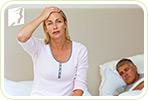
Night sweats are uncomfortable episodes of sweating at night. They disturb a woman's sleep patterns and frequently leave her unable to get back to sleep. Bed sheets may have to be changed after being soaked with sweat, and heart palpitations can cause feelings of anxiety. However, exercises and training can be done to prevent this unpleasant menopause symptom.
Causes of Night Sweats
Night sweats can happen to anyone, but they are frequently reported by women going through menopause. They are usually caused by fluctuating hormone levels in a woman's body. During menopause, when a woman's estrogen levels begin to fluctuate and ultimately decline, a woman may begin to feel night sweats and other vasomotor symptoms. This is because estrogen interacts with the hypothalamus in the brain, and this part of the brain is what controls the body's internal temperature. When estrogen levels go down, the body becomes confused and can overheat, causing night sweats and hot flashes.
Some women find different lifestyle changes can help reduce night sweats. One of the things that works for some women is regular exercise. There is a variety of exercises women going through menopause can practice that will not only help them reduce night sweats, but will help them feel healthier overall. However, it is important to not exercise late at night, as this can trigger night sweats.
Types of Training to Prevent Night Sweats
There are different habits and exercise that can help deal with night sweats.
Yoga and Pilates
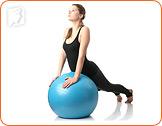
Yoga and Pilates are both fantastic for muscle toning. They keep the body lean through the repetition of different stretches that strengthen core muscles. Furthermore, they help many menopausal women relax through breathing and meditation practices.
The gym
For those who prefer exercise to be in a group setting, the gym can be a useful resource. A regular gym schedule motivates many women to exercise in an environment that provides both cardiovascular and muscle toning machines. Gyms usually have trainers available that can help keep clients motivated.
Team sports
Menopausal women who want to reap the health benefits of exercise but find the gym repetitive often benefit from team sports. Games such as tennis are fun for competitive-minded people. They are also social and a good way to meet other women of a similar age.
Walking and taking the stairs
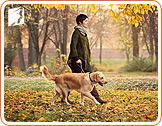
Many women who are struggling with the symptoms of menopause also have hectic schedules that leave them without the time to exercise regularly. However, walking 10,000 steps per day can burn up to 500 calories. Although this seems like a lot of walking, it can be easily achieved by taking the stairs instead of the elevator, jumping off the bus one stop early, or walking the dog.
Additional Treatments
Although exercise and fitness training is always recommended, many women find that it is not enough to prevent their night sweats. There are other treatments for menopause symptoms available, such as hormone replacement therapy, herbal supplements, and lifestyle changes. Click on the following link to read more about the different treatments for night sweats.
Sources
- Mayo Clinic Staff. (2014). Night Sweats. Retrieved November 10, 2015, from http://www.mayoclinic.org/symptoms/night-sweats/basics/definition/sym-20050768
- National Health Service UK. (2014). Night Sweats. Retrieved November 10, 2015, from http://www.nhs.uk/conditions/night-sweats/Pages/Introduction.aspx