Menopause
Women of all ages can experience night sweats. Nights sweats can be uncomfortable and can often put extra stress upon the body, making these episodes even more frequent.
Night sweats are most often caused by menopause. When the body is experiencing fluctuating hormone levels during menopause, night sweats may occur.
Keep reading to find out more about menopause and night sweats.
What Are Night Sweats?
Night sweats are episodes of excessive perspiration, often resulting in the need to change clothes during the night, despite a normal room temperature.
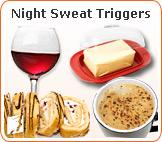
Causes of night sweats include:
- Sleeping problems
- Heartburn
- Indigestion
- Diabetes
- Stress
- Fatigue
- Spicy foods
- Hot drinks
- Consuming alcohol or caffeine too close to bed time
The severity of night sweats can vary from person to person and don't necessarily indicate an underlying medical problem. Although night sweats can occur for different reasons, many women find that they are simply a side effect of the menopause process.
Continue reading for more information on night sweats and menopause.
How Can I Cure Night Sweats?
Before you investigate medical treatments, such as hormone Replacement Therapy (HRT), you may wish to try first some natural treatments for your night sweats. These include:

Diet. Eating a healthy and natural diet can decrease the likelihood of night sweats. Avoid alcohol, caffeine and sugar, food containing high amounts of saturated fats, and midnight snacks.
Lower the room temperature. Use a fan or air conditioning and keep windows open.
Drink more water. Excessive sweating will result in your body losing water. Drinking more water will help rebalance your hormones and prevent night sweats episodes.
Don't exercise late at night. Exercise can raise your heart rate and give you extra energy at night. Exercising during the day will help ensure the body is in a relaxed state before bed.
Keep a sleep log. Write down what time you go to bed every night and how long it takes you to fall asleep to monitor any triggers or changes in your night sweats.
Find more information below about treatment for night sweats and menopause.
Other Approaches
Night sweats tend to affect women who are experiencing menopause. Menopause can put a lot of stress upon the body due to the changing levels of hormones. Reducing stress is one of the most important tactics in decreasing the likelihood of night sweats.
Hormone replacement therapy (HRT) is a clinical method used to stabilize the levels of hormones in the body. While this therapy has worked for many women, often the side effects of the treatment are just as bad as menopause symptoms and can also lead to night sweats.
As mentioned previously, it is important to care for your body. Night sweats are due to stress and poor diet, and following the steps outlined above may help ease this menopausal symptom.
Alternative treatments such as the use of teas, herbs, and supplements have also been known to help women going through menopause.
Sources
- Boston Women's Health Collective. "Hot Flashes, Night Sweats, and Sleep Disturbances." Our Bodies, Ourselves, 2006.
- The National Institute of Health.(n.d). "Signs of the Menopausal Transition." Retrieved from www.nih.gov
- Von Muhlen, DG, et al. "A community-based study of menopause symptoms and estrogen replacement in older women." Maturitas. Sept 1995. 22(2): 71-8.