Menopause
Night sweats - along with hot flashes, vaginal dryness, and mood swings - are one of the main symptoms of menopause. Night sweats happen because as a woman goes through menopause, her estrogen levels fluctuate up and down. Decreasing estrogen levels are associated with vasomotor symptoms, such as night sweats and hot flashes. However, research is still being done to better understand the relationship between hormone levels and the regulation of body temperature.
What Are Night Sweats?
Sweating is a natural body function that helps the body to remain cool. However, night sweats usually happen at night and when a woman is sleeping and are usually seen as unnecessary.
Night sweats can wake a woman up at night and usually include intense sweating, feeling flushed, heat around the chest, neck, and face, and a rapid heartbeat.
Identifying Night Sweats
Night sweats can cause:
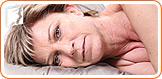
- Damp bedding
- A feeling of being too hot or cold
- Chills
- Interrupted sleep
- General discomfort
If night sweats are regularly disrupting your sleep, it is important to seek treatment, as having your sleep schedule constantly interrupted is not healthy and can lead to insomnia, exhaustion, and problems functioning during the day.
What Can Cause Night Sweats?
Aside from menopause, there are various other factors that may cause or contribute to night sweats, such as hormonal disorders, the side effects of certain medications, diabetes, and, in rare cases, cancer. If you are experiencing the symptoms of any of these conditions, it is important to see a doctor to get a proper diagnosis and treatment.
Lifestyle Remedies to Handle Night Sweats
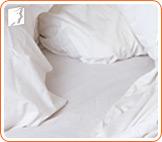
When dealing with night sweats, lifestyle remedies can make a difference. These include:
- Using cotton bed sheets and having some spares at hand so that you can change them at night if needed
- Wearing breathable, cotton pajamas or sleeping naked
- Cutting down on coffee and alcohol intake, especially later at night
- Keeping a cool glass of water by your bed to sip on if you overheat during the night
- Avoiding eating spicy food before bed
- Avoiding hot tubs and saunas
Treatments for Night Sweats
While lifestyle remedies can go a long way to helping cut back on night sweats, they might not do enough to help. One of the most common prescriptions for menopausal night sweats is hormone replacement therapy (HRT), which increases the amount of estrogen in the body. HRT can reduce several menopause symptoms, but it does have side effects, so talk to your doctor to decide if it is a good fit for you.
Many women also rely on herbal remedies and other natural therapies when it comes to treating night sweats. Click on the following link to read more about treatments for night sweats.
Sources
- Mayo Clinic Staff. (2014). Night Sweats. Retrieved November 10, 2015, from http://www.mayoclinic.org/symptoms/night-sweats/basics/definition/sym-20050768
- National Health Service UK. (2014). Night Sweats. Retrieved November 10, 2015, from http://www.nhs.uk/conditions/night-sweats/Pages/Introduction.aspx