Menopause
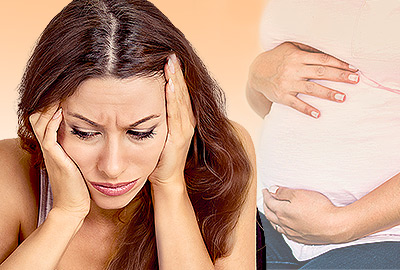
As women go through menopause, they may often find themselves dealing with an amplified list of reasons for mood swings - one of these symptoms being menopause itself. There are plenty of reasons why mood swings might arise, but menopause happens to be one of the more common ones. Women tend to experience mood swings during times of great hormonal fluctuations. These include: puberty, pregnancy, and menopause.
During menopause, the body gradually reduces its production of reproductive hormones. As a result of lowered levels of estrogen and progesterone, women may experience mood swings and other symptoms of menopause.
What Are the Reasons for Mood Swings?
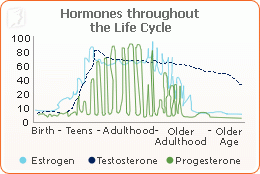
The reasons for mood swing episodes are often hormonal and neurological, especially during menopause. Estrogen and progesterone hormones are responsible for regulating many of the female body's most crucial processes in the brain related to emotion. When there is not enough estrogen and progesterone during menopause to properly regulate certain processes, mood swings can be the result. This can be frustrating, because it can seem like there's little you can do as ovaries and hormone production cannot be controlled.
Other menopause symptoms can also affect the occurrence of mood swings. For example, night sweats - a common symptom during menopause - can disrupt sleep and result in fatigue, which often leads to mood swings during the day.
Effects of Mood Swings
The effects of mood swings can significantly impact a woman's overall well-being, as well as her work and relationships. Many menopausal women report having more problems with their children, spouses, coworkers, and superiors when they are experiencing mood swings. Additionally, other menopausal symptoms like depression and fatigue can worsen a woman's emotional state.
How to Treat Mood Swings
Fortunately, hormonal imbalance, the primary reason for mood swings, can be treated. In order to achieve this balance, it is extremely important to maintain overall good health by eating a well-balanced diet, exercising regularly, and getting enough sleep in order to lessen the severity and frequency of mood swings. Women should avoid alcohol, caffeine, and sugar, and make sure they drink plenty of water. Additional treatments may include the following:

- Acupuncture and alternative practices
- Herbal supplements
- Hormone replacement therapy (HRT)
Mood swings may have wide-reaching effects, but women don't have to suffer alone. It is recommended that women join a support group while implementing healthy lifestyle adjustments. Many women choose to accompany their changes in lifestyle with herbal supplements in order to help rebalance their hormone levels during menopause.
Sources
- Amin, Zenab, Turhan Canli, and C. Neill Epperson. "Effects of Estrogen-Serotonin Interactions on Mood and Cognition". Behav Cogn Neurosci Rev 2005; 4; 43.
- Dr. Love, Susan, and Karen Lindsey. Dr. Susan Love's Menopause and Hormone Book. New York: Three Rivers Press, 2003.
- Molecular Psychiatry.(n.d)."Estrogen Promotes Gender Difference in Brain's Response to Stress". Retrieved from www.psycheducation.org.
- The Health Center.(n.d)."Adult Mood Swings". Retrieved from www.thehealthcenter.info.