Menopause

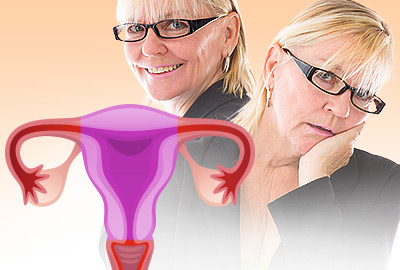
Mood swings will affect most women at some point in their lives, whether they are due to a bad day or hormonal fluctuations during premenstrual syndrome (PMS) and menopause. The symptom is so well-known that there are stereotypes of menopausal women who are unable to control their emotions.
The reality is that a majority of women who suffer from mood swings manage their symptoms using a combination of medicinal and behavioral techniques.
For more information on mood swing symptoms and how best to overcome them, keep reading.
When and Why Do Women Experience Mood Swings?
Mood swings are often easily noticeable during perimenopause, the stage before menopause. For many women, mood swings will be the first symptom that they notice. This is because during menopause the body starts to decrease its production of estrogen. Since estrogen also acts as a mood regulator, declining and irregular production of this hormone corresponds with mood swing episodes.
Supporting Yourself during Mood Swings
If you find yourself experiencing mood swings during menopause, it is important to communicate these changes to your loved ones. Explain to them the changes you are experiencing and the daily challenges you are facing as you try to cope with the symptoms. In doing so, you can help reduce the potentially harmful impact your mood swings can have on your overall well-being and relationships.
How Do I Overcome Mood Swings?
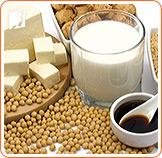
Mood swings are linked to decreased levels of estrogen in a woman's body during menopause. The key to overcoming this symptom is to replenish estrogen levels. This can be achieved by maintaining a healthy diet and exercise regime that will provide the body with essential nutrients and the strength it needs to continue producing healthy levels of hormones. Other tips include reducing your intake of substances that trigger mood swing episodes like caffeine and alcohol because it can lead to higher blood sugar levels.
Often, a hormonal imbalance can also be solved by using alternative medicines. Some alternative medicines work by stimulating the body to produce more of estrogen and others introduce an external source of estrogen into the body. For more specific treatment options for mood swing symptoms, follow the links below.
Sources
- Amin, Zenab, Turhan Canli, and C. Neill Epperson. "Effects of Estrogen-Serotonin Interactions on Mood and Cognition." Behav Cogn Neurosci Rev 2005; 4; 43.
- Dr. Love, Susan, and Karen Lindsey. Dr. Susan Love's Menopause and Hormone Book. New York_ Three Rivers Press, 2003.
- Molecular Psychiatry.(n.d)."Estrogen Promotes Gender Difference in Brain's Response to Stress." Retrieved from www.psycheducation.org.
- The Health Center.(n.d)."Adult Mood Swings." Retrieved from www.thehealthcenter.info.