

Mood swing treatments

HOME

Topics About:
mood swings

Definition
Symptoms
Hormonal
Other menopause causes
Psychological
Behavioral
Health related
Bi-polar
Depression
Anxiety

Articles About:
mood swings

General
Mood swing treatments

Mood swing treatments

Menopause:
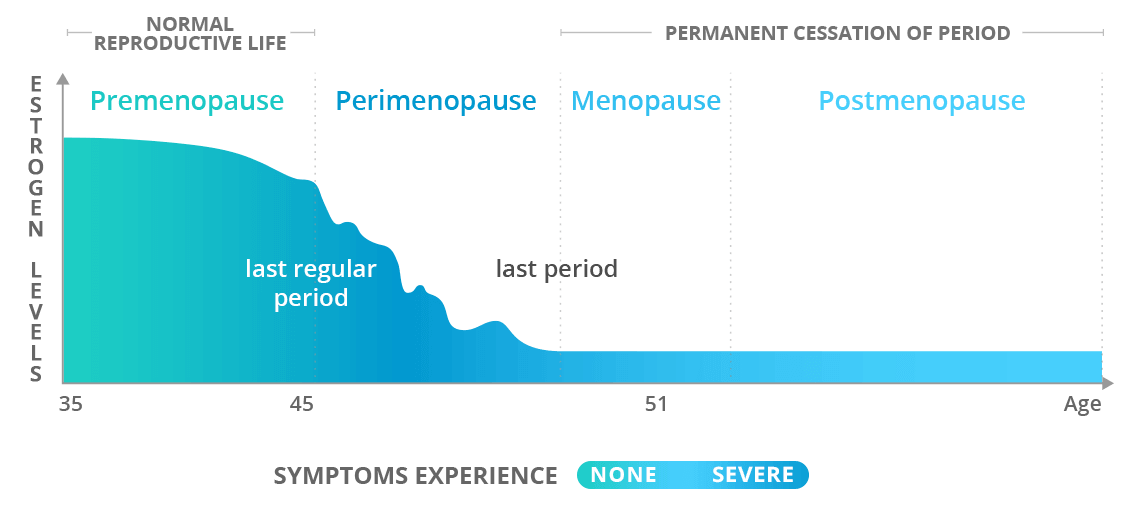
Menopause symptoms affect most women as they approach a mature stage of life. To varying degrees most women from the age of 45 suffer from a variety of different menopause symptoms. Mood swings is one of such symptoms but they can also include: Irregular heartbeat, memory lapses, changes in body odor, hair loss and after many years osteoporosis.

Most women, as a result of natural occurring changes to their hormone levels can often suffer from mood swings. Menopause is a condition, where by which women between the ages of 45-55 are affected by a host of menopause symptoms. In total there thirty four menopause symptoms and mood swings is one of such symptoms. The onset of menopause can cause significant changes to the physical as well as mental well being. Mood swings are renowned for being capable of reducing ageing women to a wild torrent of emotions, which can cause much distress for them and those close to them.

Research states that 50% of women will suffer from this menopause symptom at some point of their menopausal stage of life. For this reason a variety of mood swing treatments exist in order to treat them.

Lifestyle mood swing treatment

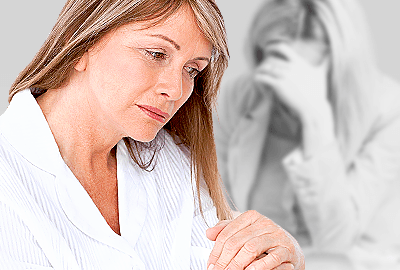
mood swings patientMost medical practitioners on receiving a patient, who is clearly exhibiting signs of suffering from mood swings, will start diagnosing with simple mood swing treatments in order to solve the problem. More invasive mood swing treatments such as surgery and drugs exist but sometimes the problem can be solved in a simpler fashion.

Lifestyle changes can have a dramatic effect on a person overall well being and it is for this reason that most medical practitioners prescribe such basic solutions for mood swings. Such mood swing treatments can include:

Changes in diet: A nutritional diet can affect all areas of the body and receiving the appropriate amount of vitamins and nutrients per day can make a wealth of difference to conditions such as mood swings.

mood swings relieveMore sleep: similarly to a nutritional diet, sleep has been known to have an overall positive effect on the human body. More sleep per day can help curb many of the anxieties that can cause mood swings.

Acupuncture: Any form of treatment that has a naturally relaxing effect on the body has been proven to have a positive effect for mood swing treatments.

Natural mood swing treatment

Phytoestrogenic herbs have often been used as mood swing treatments. This is primarily because the phytoestrogens found in such herbs can settle the hormonal balance that women suffer. Such a mood swing treatment comes with side effects though and for this reason caution is advised.

Pharmaceutical mood swing treatment

Costly invasive mood swing treatments are available if other options seem to have been exhausted. In the states this mood swing treatment is usually hormone replacement therapy. This options cost is in respect of its success rate, however like other treatment options it comes with side effects. Most notably amongst these is the increase in certain cancers amongst women.

Mood swings can have a seriously adverse affect on the quality of life for some women and for this reason a plethora of mood swing treatments exist in order to ease this symptom.

Other Related Articles:
Mood swings, menopause and hysterectomy
Menopausal women and mood swings
Menopausal Mood Swings
Mood Perimenopause Symptoms

Sources:
  • "Adult Mood Swings". The Health Center. www.thehealthcenter.info.
  • Dr. Love, Susan, and Karen Lindsey. Dr. Susan Love’s Menopause and Hormone Book. New York: Three Rivers Press, 2003.
  • Amin, Zenab, Turhan Canli, and C. Neill Epperson. "Effects of Estrogen-Serotonin Interactions on Mood and Cognition". Behav Cogn Neurosci Rev 2005; 4; 43.
  • "Estrogen Promotes Gender Difference in Brain’s Response to Stress". Molecular Psychiatry. www.psycheducation.org.