Menopause
Many of the menopause symptoms women experience are the result of drastically shifting hormone levels. Some of the most common symptoms include mood swings, anxiety, hot flashes, vaginal dryness, and irregular periods.
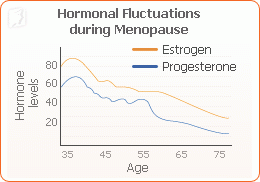
Many women transition through menopause between the ages of 45 and 55. During this time, the body undergoes drastic changes as hormone levels drop, ovulation stops, and the transition to infertility progresses. Fluctuating levels of hormones influence the chemical makeup of the brain, and as a result, regulate the emotions a woman experiences. If mood swings become severe, they can affect her overall well-being and even relationships with loved ones.
What Are Mood Swings?
Mood swings are rapid and abrupt changes in mood. They may occur unexpectedly and without reason or be a reaction to a certain situation. A woman may feel happy one moment, and then sad and angry the next without knowing why. The severity and frequency of mood swings may leave some women feeling as though they cannot control their emotions.
The body's hormone levels influence the balance of chemicals in the brain. Serotonin, a neurotransmitter that regulates mood, relies on hormone levels falling within a certain range. When levels of estrogen and progesterone fluctuate, so do the levels of serotonin. As a result, a woman's mood may also shift.
Symptoms of Mood Swings in Menopausal Women
Common signs and symptoms of mood swings include:

- Increased stress
- Anxiety
- Irritability
- Anger
- Unexplained emotions
- Lack of motivation
- Lessened patience
Because of the unpredictable nature of mood swings, this common menopause symptom can affect the overall well-being of a woman and influence her interactions and relationships with others.
Treatments
Sleep
It is advised that women start with the least invasive and more natural treatments for mood swings. These include simple lifestyle changes like eating a well-balanced diet, exercising regularly, and getting enough sleep at night. These changes may be hard to implement at first, but they are the root of any treatment program. Additionally, some alternative medicines like herbal supplements can help restore hormone levels and alleviate the effects of mood swings and other menopause symptoms.
Hormone replacement therapy (HRT) can also be prescribed to directly treat the hormonal imbalance women experience during menopause. However, it can pose greater health risks, such as an increased chance of reproductive cancers or stroke.
Mood swings are a menopause symptom that can severely affect the well-being of sufferers and those around them. To learn more about how to treat this symptom, explore the links below.
Sources
- Amin, Z. , Canli, T. & Epperson, C.N. (2005). Effects of Estrogen-Serotonin Interactions on Mood and Cognition. Behavorial and Cognitive Neuroscience Reviews, 4(1), 43-58. Retrieved from http://www.ncbi.nlm.nih.gov/pubmed/15886402
- Love, S. & Lindsey, K. (2003). Dr. Susan Love's Menopause and Hormone Book. New York: Three Rivers Press.