Menopause
Fact:
Mood swings are a symptom that affects 50% of menopausal women.Mood swings that result from bipolar disorder can be immensely devastating and debilitating. Depressive episodes can often cause people to struggle with daily tasks, and isolate themselves from friends and loved ones. People who are going through a manic episode may also become irritable and prone to reckless behavior.
The best way to avoid mood swings is to treat the underlying bipolar disorder. This can sometimes be difficult as periods of depression are not always preventable, and even people who take medication are still vulnerable to mood swings from time to time.
What Are the Signs of Mood Swing Episodes?

Although mood swings have the potential to occur unexpectedly, there are signs that can indicate that a period of mania or depression is approaching. Aside from changes in mood, a change in sleep patterns, energy levels, sex drive, self-esteem, concentration, and an alcohol or drugs abuse can trigger a mood swing episode.
Tips for Handling Mood Swings
What Are Mood Swings?
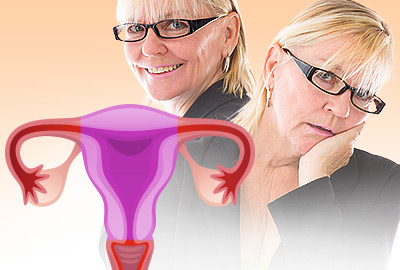
Mood swings are sudden changes in attitude and temper. Mood swings also seem to be significantly linked to times of hormonal change in women - the reason why many women experience mood swings during menopause.
Keep a journal
Keep track of the things that make you stressed, the medications you take, and the amount of sleep you get each night. Over time the journal may help you see a pattern or identify factors that affect your mood.
Talk to your family
If you have an idea of what your triggers are, you can be prepare for the times when you are most vulnerable. During these times, seek for support from your friends and family.

Mood swings in menopausal women are primarily linked to decreased estrogen levels. The body, therefore, needs to be nourished properly to help maintain stable hormone levels. This includes eating a well-balanced diet, rich in soy and other phytoestrogenic foods, and exercising regularly. Alternative medicines have also been effective in treating hormonal imbalances. A healthy balance between body and mind is necessary for overall mental and physical health.There are three approaches for treating mood swings:
- Lifestyle changes
- Alternative medicines
- Medications
The safest way is to start with the least risky approach before advancing to the next level.
Sources
- Amin, Zenab, Turhan Canli, and C. Neill Epperson. "Effects of Estrogen-Serotonin Interactions on Mood and Cognition". Behav Cogn Neurosci Rev 2005; 4; 43.
- Dr. Love, Susan, and Karen Lindsey. Dr. Susan Love's Menopause and Hormone Book. New York: Three Rivers Press, 2003.
- Molecular Psychiatry.(n.d). "Estrogen Promotes Gender Difference in Brain's Response to Stress". Retrieved from www.psycheducation.org.
- The Health Center.(n,d)."Adult Mood Swings". Retrieved from www.thehealthcenter.info.