 Menopause
Did you know?
Women who experienced PMS or postpartum depression are more likely to experience mood swings during menopause.
Not only can menopause prompt uncomfortable physical symptoms, but it can also turn a woman's emotions into a pendulum, prompting moderate to severe mood swings. Menopause is a time of significant hormonal changes, and these changes, typically occurring in women between the ages of 45 and 55, can affect emotional stability. More than 50% of women experience mood swings as they approach menopause. Fortunately, there are effective ways to manage menopausal mood swings.
Continue reading to learn all about mood swings, their causes, risk factors, extreme cases, and treatment options.
About Mood Swings
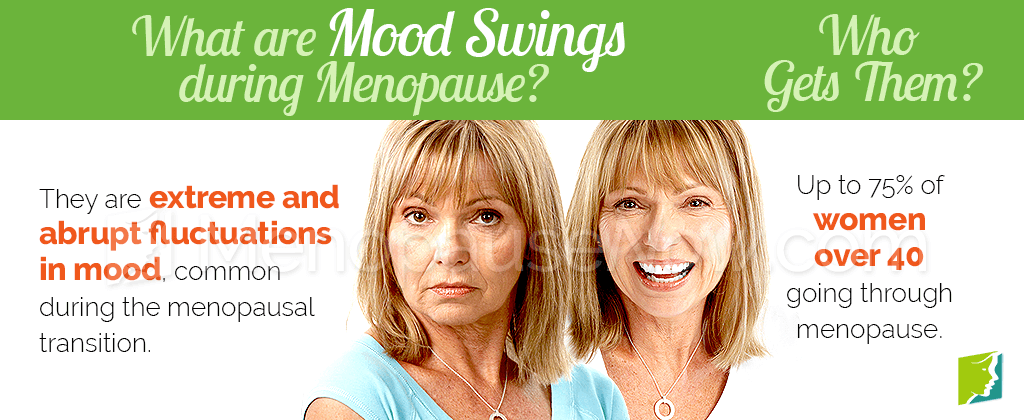
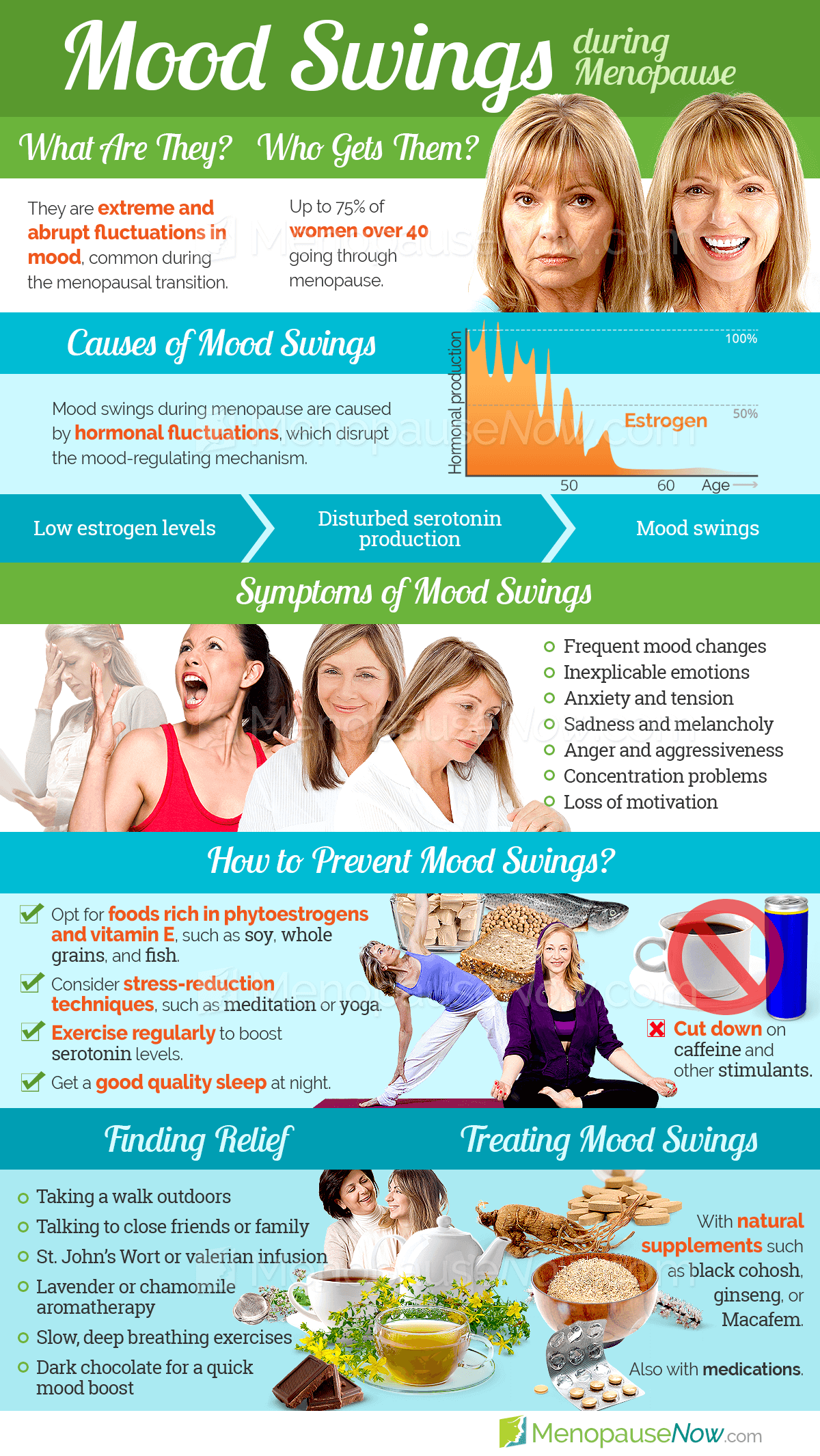
Mood swings are defined as extreme or abrupt fluctuations in mood. During mood swing episodes, people often experience drastic shifts in their emotional state. The term "mood swing" is often used to describe an emotional reaction that is inappropriate or disproportionate in relation to its cause or trigger.
During menopause, women commonly experience mood swings because their hormones, which regulate mood and emotions, are thrown off balance. While this is a common and normal symptom of menopause, it can negatively impact your personal and professional relationships.
It is often helpful for women going through mood swings to understand the symptoms of this condition. Keep reading to learn more about how mood swings can manifest during menopause.
Symptoms of mood swings
Because each woman has her own unique way of managing her emotions, stress, and her environment, all women experience the symptoms of mood swings differently. However, many symptoms of mood swings are common among women going through menopause.
Did you know?
Up to 75% of women going through menopause suffer from mood swings.
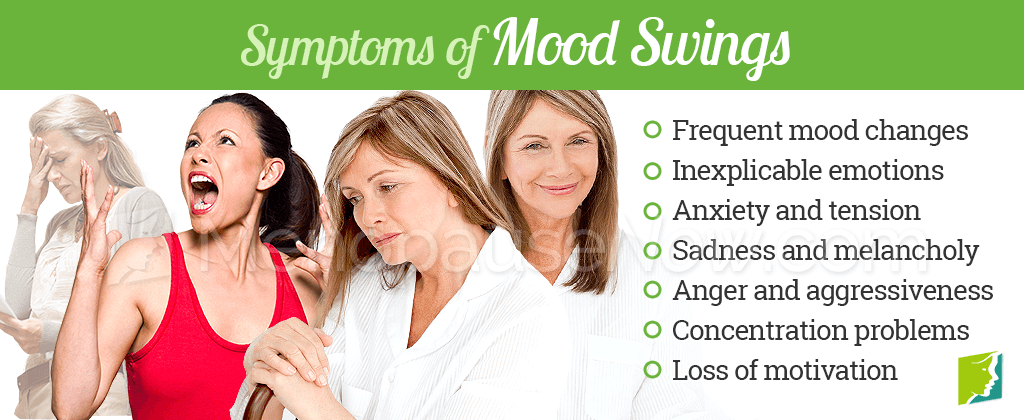
- Frequent mood changes
- Inexplicable emotions
- Depression
- Sadness
- Lack of motivation
- Extreme moods
- Irritability
- Aggression
- Decreased patience
- Increased stress
- Anxiety
- Nervousness
- Melancholy
Being aware of these symptoms can help a woman develop a well-rounded perspective of mood swings. Click on the following link to read more about mood swings, or continue reading to learn about the causes of mood swings.


Causes of Mood Swings
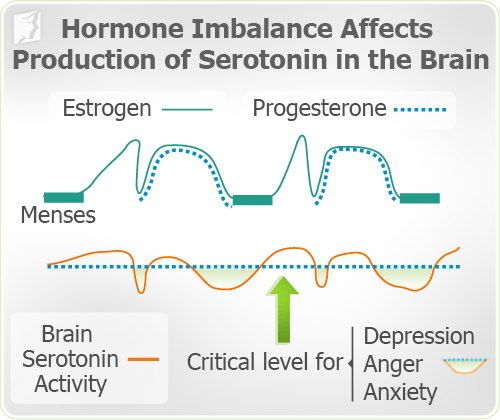
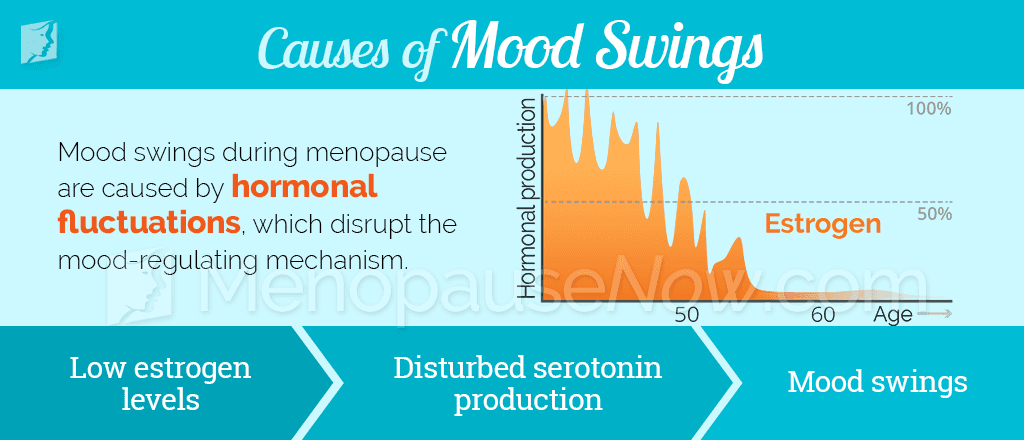
Mood swings during menopause are caused largely by the hormonal transitions women go through during this time. Hormones, such as estrogen, influence the production of serotonin, which is a mood-regulating neurotransmitter.
However, there are other causes of mood swings. Other menopause symptoms - such as hot flashes, night sweats, physical changes, and fatigue - can cause or intensify mood swings, but these symptoms are generally caused by hormonal imbalance as well.
Hormonal causes of mood swings
Medical researchers have found that estrogen plays a major role in the brain's production of serotonin, meaning that estrogen has a hand in mood regulation.
Estrogen's Effects on Serotonin
- Increases serotonin receptor sensitivity
- Increases serotonin receptor levels
- Increases serotonin production
Because perimenopausal hormone imbalances temporarily disrupt serotonin production in the brain, there is an increased chance of mood swings, depression, and other psychological disturbances during menopause.
While hormonal imbalance is thought to be a major underlying cause of mood swings during menopause, experts also point out that mood disturbances may be caused by other menopause symptoms.
Keep reading to find out how other menopause symptoms can affect mood and emotions.
Other menopausal causes of mood swings
Menopausal Causes of Mood Swings
- Night sweats
- Hot flashes
- Sleep problems
- Fatigue
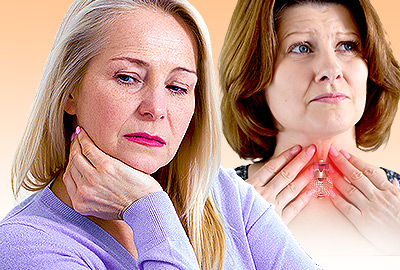
Mood swings can be the result of other menopause symptoms. Women in their 40s and 50s, often stretched already by work and home stresses, suffer from fatigue, sleep problems, hot flashes, and other symptoms that can directly contribute to problems with mood and emotion.
Click on the following link to read more about the causes of mood swings, or continue reading below to find out the risk factors for mood swings.

Risk Factors for Mood Swings
Why are some women more prone to mood swings during menopause? The answer has much to do with a woman's chemistry, her environment, and other factors. In addition to the hormonal causes of mood swings, several psychological, behavioral, and health-related factors can increase the likelihood that a woman will experience mood swings during menopause.
Psychological Factors
- Past mental illness
- Stress
- Past trauma
- Relationship issues
- Coping with change
Behavioral Factors
- Smoking
- Alcohol consumption
- Poor diet
- Inadequate exercise
- Stimulant use
Health Factors
- Diabetes
- Thyroid disease
- Early menopause
- Heart disease
- Sleep disorders
- Cancer Lupus
Click on the following link to read more about risk factors for mood swings, or continue below to learn about extreme cases of mood swings and when to see a doctor.

Extreme Cases of Mood Swings
While mood swings are normal during menopause, emotional symptoms sometimes indicate a more serious condition. Mood swings that are extreme, last for an extended duration, or put a woman or others at risk of harm warrant professional help. To learn more about when to seek help for mood swings, read on for the symptoms of bipolar disorder, clinical depression, and anxiety.
Bipolar disorder
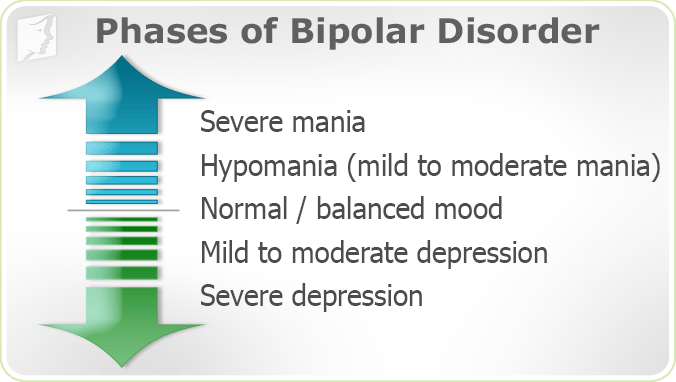
Bipolar disorder, also called manic-depressive disorder, is a group of mood disorders characterized by the presence of one or more episodes of mania, or abnormally elevated mood, and alternating episodes of depression, or prolonged low moods.
Depression
Depression, termed major depressive disorder, is another condition more serious than mood swings for which professional help is often necessary. While many people experience the symptoms of depression at different times in their lives, clinical depression is more than a temporary state or a symptom of menopause.
Anxiety
Clinical Anxiety Disorders
- Generalized anxiety disorder
- Obsessive-compulsive disorder
- Post-traumatic stress disorder
- Social phobia Panic disorder
Anxiety is another condition more serious than menopause-induced mood swings. Anxiety disorders affect up to 18% of adults in the U.S., making this the most common type of mental illness. Clinical anxiety is a group of disorders and phobias.
Fortunately, help is available for women who experience psychological conditions that are more serious than mood swings. Most women who go through menopause will not develop such symptoms. If you are concerned about mood swings or other symptoms during menopause, it is best to speak with a qualified health professional.
Click on the following link to learn more about the extreme cases of mood swings, or continue reading to find out about the best treatment options available for mood swings.


Mood Swings Treatments
When exploring treatments for mood swings, it's important to begin with methods that are the least invasive, with the least likelihood of side effects, and progress from there.
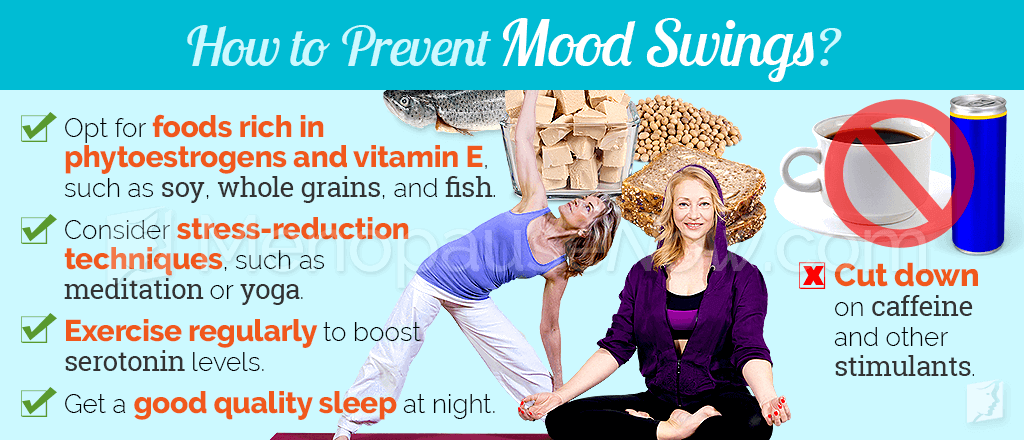
This means that lifestyle changes are typically the best place to begin. For instance, sometimes mood swings can be alleviated simply by getting enough sleep and maintaining a healthy diet rich in nutrients.
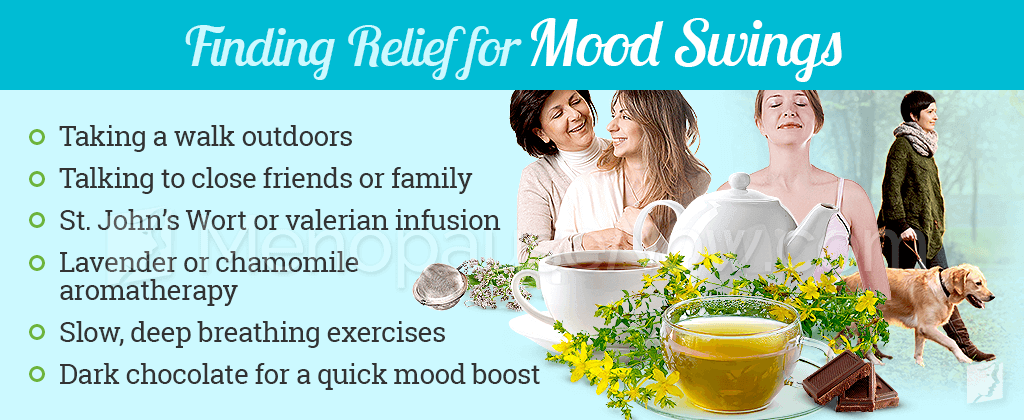
Typically, combining lifestyle changes and alternative medicines produces the best treatment results. Alternative medicines include different herbs and supplements, as well as techniques like massage. When seeking an alternative method, keep in mind that mood swings during menopause are associated with hormonal imbalance. Look for supplements that balance hormonal levels naturally, which will go a long way in treating mood swings at the core of the issue.
Finally, if you are still experiencing mood swings, there are different prescription medications that can be explored. Generally, this final option comes with the most risk and potential side effects.
Click on the following link to learn specific treatments for mood swings, which begin with lifestyle changes, followed by alternative medicines, and finally, if those options don't seem to help, medication. The most effective treatments for mood swings typically combine lifestyle changes and alternative medicines.





Sources
- Amin, Z. , Canli, T. & Epperson, C.N. (2005). Effects of Estrogen-Serotonin Interactions on Mood and Cognition. Behavorial and Cognitive Neuroscience Reviews, 4(1), 43-58. Retrieved from http://www.ncbi.nlm.nih.gov/pubmed/15886402
- Love, S. & Lindsey, K. (2003). Dr. Susan Love's Menopause and Hormone Book. New York: Three Rivers Press.
- Office on Women's Health. (2010). Menopause and mental health. Retrieved April 12, 2016, from http://womenshealth.gov/menopause/menopause-mental-health/