Menopause
Have you found yourself forgetting simple things, and finding it difficult to recall new information quickly? Does it seem that you're always late because you can never remember where you put your keys? Menopause might be responsible for your memory lapses. Read on to learn more.

Unfortunately memory lapses and difficulty concentrating are just a couple of the often inconvenient life changes that can come with menopause. It is important to remember, especially during menopause, that when we feed our bodies, we also feed our minds. So read on to discover what key foods you can eat to nourish your mind and how they can help you to deal with memory lapses during menopause.
Sunflower Seeds
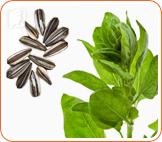
Sunflower seeds are rich in omega-3 oil, which is believed to help boost brain ability. Try these sprinkled on yogurt and fruit for breakfast, or toast in the oven. Alternatively scatter on salad for a tasty topping.
Spinach
Recent research has suggested that eating this leafy green vegetable can reinforce your memory. Spinach is rich in folic acid, which helps strengthen the passageways in the brain that we use for recalling information.
Grapes

This juicy fruit also contains high levels of folic acid. Eat a handful of white, green, or red grapes each day to improve your memory. Red wine can also deliver this nutrient, but only if consumed in moderation. Other foods rich in folic acid are soybeans, whole-grain cereals and broccoli.
Blueberries
Of all fruits, blueberries may be the most celebrated for improving memory. They provide anthocyanin, a chemical known for energizing memory-related brain functions, among other compounds that improve brain performance.
Fish
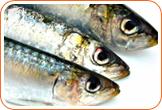
Protein-rich fish like salmon also supply's you with omega-3 fatty acids, which are brain boosters. Other fish and seafood that carry these benefits are halibut, snapper, scallop, and shrimp. If you don't have time for a full meal, you can substitute it with fish oil.
More Information
Eating the right foods is a great way of avoiding memory lapses, but there are other modes of treatment. Mental and physical exercises and adequate rest can all help you prevent lapses in memory. Click the following link for more information about how to prevent memory lapses during menopause.
Sources
- Dr. Devi, Gayatri. "Memory Loss, Estrogen, Menopause & Alzheimer's Disease". The New York Memory Services. www.nymemory.org.
- Dr. Devi, Gayatri; Hahn, Katherine; Massimi Stephen; Zhivotovskaya, Emiliya. Prevalence of memory loss complaints and other symptoms associated with the menopause transition. Gender Medicine, 2005, vol. 2.
- Myers, Catherine E. "Categories of Memory Systems". Memory Loss & the Brain. www.memorylossonline.com.
- News-Medical.Net.(n.d)."Memory loss and menopause".Retrieved from www.news-medical.net.