


Reasons for Low Libido

HOME

Topics About:
loss libido

Articles About:
loss libido

General
Reasons for Low Libido

Reasons for Low Libido

There are doctors who believe that nearly half the female population (43%) lack sex drive. However, such an enormous number doesn’t seem likely.

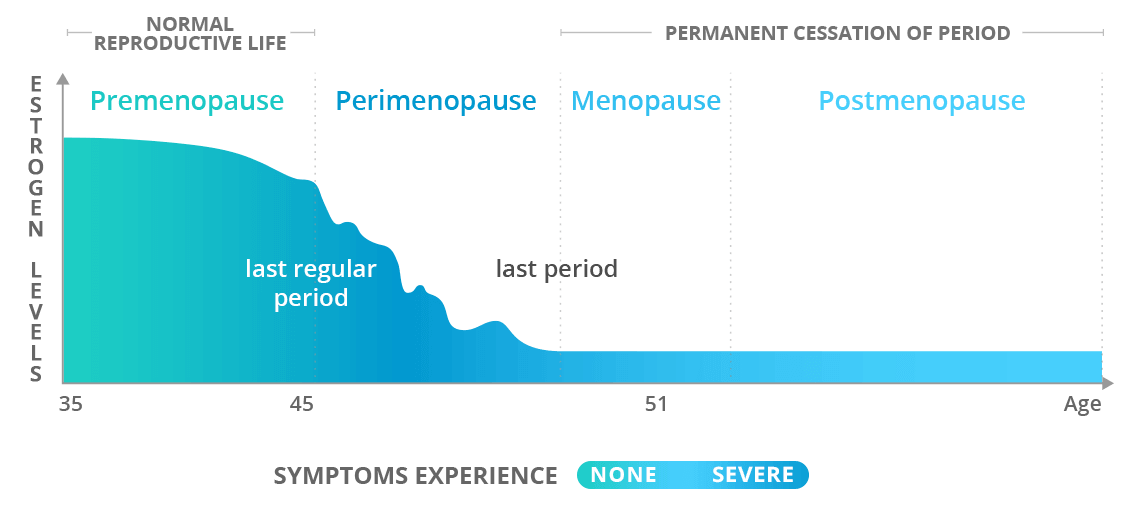
There are several reasons why women may suffer from a low libido, the primary one being menopause and subsequent hormone imbalances. As such, lack of libido is common in women, but quite rare in men. The American Medical Association has estimated that several million US women suffer from what doctors call “female sexual arousal disorder” (FSAD).

Understanding the reasons for a low libido is crucial in reversing its effects. Take the time to read over the following page concerning the reasons for low libido.

How can we define low libido?

loss libido desireLibido simply refers to a person´s sex drive. A low libido therefore describes a woman´s loss of sexual desire. It is important to distinguish that low libido does not mean a failure or difficulty in reaching orgasm; rather it is the lack of desire associated with sex and not being turned on by the prospect of love-making.

Fortunately, for many women a lack of libido is only temporary. Some are able to restore it by themselves, whilst many more are helped by expert medical or psycho-sexual advice. Other women deliberately choose to inhibit sexual desire and are quite happy to lead lives with a low libido.

What are the reasons for a low libido?

Reasons for a low libido can generally be broken down into two categories:

Psychological: Symptoms of menopause including mood swings, depression and insomnia can cause a low libido because they negatively affect the desire for romance. Stress as a result of these symptoms is another obvious strain on the female libido.

Physical: Usually the cause for a low libido is hormonal imbalance in the woman´s body that can be experienced during menopause. This is because women´s testosterone is the key hormone in their sexual drive, and when a women´s level of testosterone drops during menopause, so does her response to sexual stimuli.

What treatments are available to treat a low libido?

loss libido drugsErection drugs
Erection drugs like Viagra have claimed to help women who have a low libido. There is some evidence that they may have a beneficial local effect in increasing blood flow to the vagina and clitoris for a few hours, and they may also increase lubrication in some women. However, the definiteness of these claims has not been verified.

Testosterone
Hormones (testosterone) are often suggested as a treatment for a low libido and doctors have been trying out testosterone treatment on women with low libidos for more than 40 years, rarely with much benefit. Side-effects include hairiness, a deep voice and enlargement of the clitoris. However, there is clinical evidence to support the use of testosterone as a treatment for low sexual desire. In 2007 a testosterone skin patch called Intrinsa became available in the UK.

Desire cream
A new ‘desire cream’ was also introduced in 2001. It contains an ingredient similar to wintergreen, and its effect is to produce a tingly sensation in the clitoris. However, there is little evidence that it makes much of an impact.

In spite of all the cures specific to low libido, if the problem at its core is hormonal imbalance as a result of menopause, the most effective way to deal with it is to restore normal hormonal levels. This can be done with regular exercise, good diet, and supplemented with alternative medicines.

For more information on alternative medicines available to help with a low libido click here.

Other Related Articles:
Lack of Libido in Menopause Women
Low Libido Help
What is Low Libido?
Causes for the lack of female libido

Sources:
  • Studd, John. "Loss of Libido and Menopause". The Management of Menopause. Annual Review 1998. Partenon Publishing.
  • Channon L.D and Ballinger S.E. "Some Aspects of Sexuality and Vaginal Symptoms during Menopause and their Relation to Anxiety and Depression". British Journal of Medical Psychology. June 1986. 59 (2): 173-80.
  • Sarell, Philip, M.D. "Psychosexual effects of menopause: Role of androgens". American Journal of Obstetrics & Gynecology. March 1999. 180: 3S-II.