


Low Libido Help
Low Libido Help

HOME

Topics About:
loss libido

Articles About:
loss libido

General
Low Libido Help

Low Libido Help

The Libido is a person’s natural urge for sexual activity, also more commonly known as “sex drive”. A low libido thus means a low desire to have sex. Whilst many people (including sufferers) are inclined to accept a low libido as a natural process of aging, this is not necessarily the best approach or the most natural one. The health benefits of sex have been indisputably proven across post-menopausal age groups.

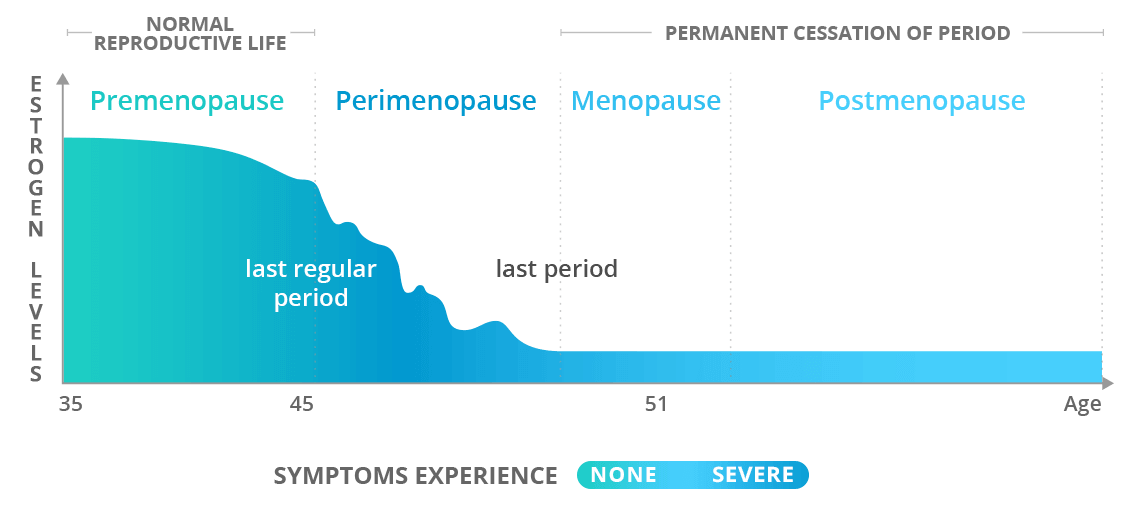
Depending on the individual, one of the more or in some cases less distressing symptoms of menopause is a decrease in sex drive or low libido. This is a common phenomenon among menopausal women and is primarily experienced as a result of hormone imbalance. Because the libido plays a vital role in maintaining a healthy sex life (itself very important) one should not be embarrassed about seeking low libido help.

What factors cause a low libido?

Before providing any sort of constructive low libido help, the factors that account for a decreased libido need to be considered. In general the causes of a low libido can be divided into physical and psychological factors.

Physical causes

loss libido anemia
• Anemia (very common in women because of iron loss during periods).
• Alcoholism.
• Drug abuse.
• Major diseases such as diabetes.
• Post-baby ‘coolness’, the loss of libido that often happens after childbirth. It is linked to hormonal changes that occur at this time. The general trauma of childbirth also plays a part in the loss of libido.
• Prescribed drugs, particularly tranquillizers.
• Hyperprolactinaemia – a rare disorder in which the pituitary gland is overactive.
• Other hormone abnormalities – for example, many women who have lost their libido lack androgenic (male) hormones. This view remains controversial.

Menopause doesn’t usually cause loss of libido, but its accompanying symptoms such as night sweats can often make women feel less sexy and thus less in the mood for sex.

Psychological causes

These causes are very common. It’s understandable that when a woman is having a bad time emotionally, she may lose interest in sex. Psychological causes include:

loss libido overwork• Depression
• Stress and overwork
• Anxiety
• Past sexual abuse or rape
• Latent lesbianism
• Serious relationship problems with your partner.
• Difficult or uncomfortable living conditions.

Menopause can also be responsible for symptoms such as anxiety, depression and mood swings; these are typically not conducive to a healthy sexual libido.

What low libido help is there?

Inventions aimed at increasing female desire come and go. In 2001 a device called the EROS was approved by the American Food and Drug Administration (FDA) for treating low sexual desire. The gadget applies suction to the clitoris and thus increases desire. Much of the same effect can be achieved with suction vibrators available from around $50.

In order to properly restore a low libido it is first important to establish whether the problem originates in physical or psychological factors, or perhaps both. If stress and fatigue is responsible for a reduced libido, often libido is restored with scheduled rest and regular exercise. If the low libido is a result of relationship difficulties, couples have the option of seeking counseling to talk through their problems.

If the problem is entirely physical there are a range of things that can be done to help low libido. Because it is primarily linked with lowered hormone levels, often a hormone balancing program works supplemented by natural medicines and exercises.

Click of the following link for more specific low libido help.

Other Related Articles:
Birth Control Loss of Libido
Lack of Libido in Menopause Women
What is Low Libido?
Causes for the lack of female libido

Sources:
  • Studd, John. "Loss of Libido and Menopause". The Management of Menopause. Annual Review 1998. Partenon Publishing.
  • Channon L.D and Ballinger S.E. "Some Aspects of Sexuality and Vaginal Symptoms during Menopause and their Relation to Anxiety and Depression". British Journal of Medical Psychology. June 1986. 59 (2): 173-80.
  • Sarell, Philip, M.D. "Psychosexual effects of menopause: Role of androgens". American Journal of Obstetrics & Gynecology. March 1999. 180: 3S-II.