


Lost Libido
Lost Libido

HOME

Topics About:
loss libido

Articles About:
loss libido

General
Lost Libido

Lost Libido

Regarded by sex therapists and researchers as the most common sexual issue women face, lost libido can be a devastating symptom of menopause. Achieving a clear understanding of lost libido, its causes, and its treatments can help lead to a more fulfilling life, both in and out of the bedroom.

What is Lost Libido?

Lost libido is the loss of that “instinctive natural sexual energy” and desire a person feels toward his or her partner. While men are rarely affected, women report suffering from lost libido more frequently. A lost libido manifests in woman’s failure to initiate sexual activity or respond to her partner’s advances, but, according to sex therapists like Dr. Sussman, a lost libido should only be addressed if the woman and her partner perceive it as a problem.

What Causes Lost Libido?

Lost libido can affect a woman throughout her life through a number of physical or psychological causes. Because menopause is both a physical and psychological change, it makes sense that many women experience lost libido.

Psychological Cause of Lost Libido
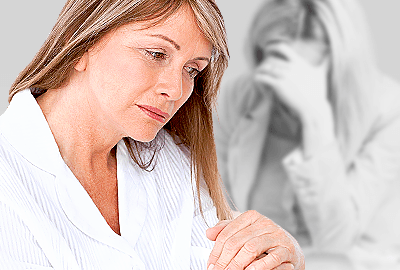
The psychological causes of lost libido can be very individualized and cover a wide range of possibilities. Because of this, these causes can be difficult to pinpoint. Often psychological causes of lost libido dissipate naturally, but if these symptoms don’t improve, a woman may need to seek professional help from a therapist or doctor. Some psychological causes of lost libido may include:

lost-libido2• Depression.
• Stress.
• Anxiety.
• Relationship conflicts (communication, trust, and intimacy problems).

Physical Causes of Lost Libido
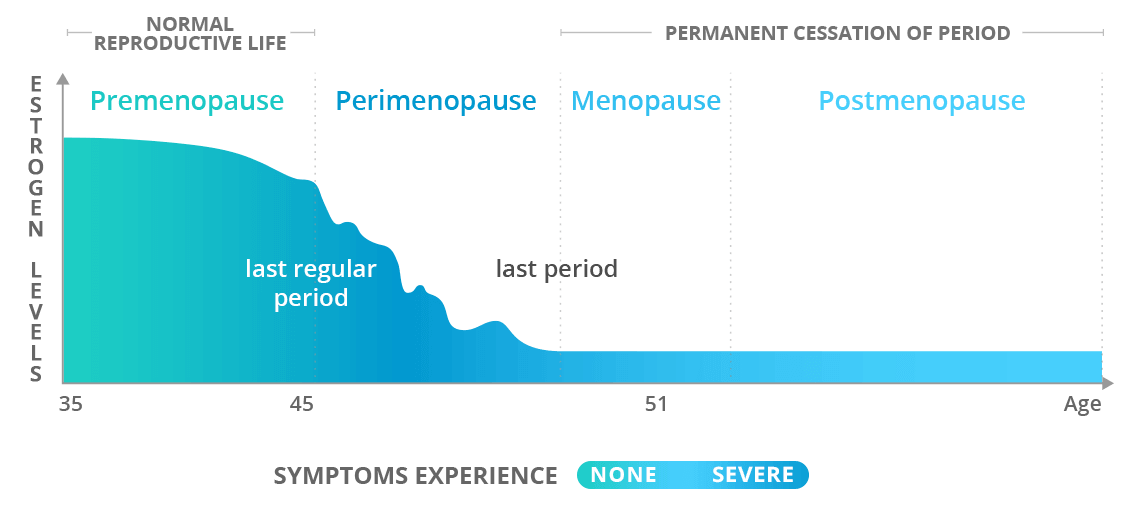
Hormonal changes women experience during menopause are the primary physical cause of lost libido, and possibly the primary overall cause. When the hormones a woman had previously used for ovulation are no longer present in their previous quantities, women can experience lost libido. These hormones include:

• Luteinizing Hormone (LH), the hormone responsible for ovulation, appears in greater quantities during menopause.

• Testosterone, the male sex hormone, appears in lower quantities during menopause.

What can Counteract Lost Libido?

Researchers and doctors are still seeking to better understand the intricacies of lost libido, but there are a number of effective strategies women can use to counteract this symptom of menopause and its physical and psychological causes.

Psychological Strategies
Frequently, some careful self-reflection and lifestyle changes can greatly affect some psychological causes of lost libido, either through adjusting a stressful schedule or making time for an enjoyable hobby. But more serious problems, such as depression or relationship conflicts, could benefit from counseling or therapy. Keep in mind that in most cases a combination of psychological and physical treatments is the best option to manage lost libido.

Physical Strategies
Since hormonal fluctuations are the most probable cause of lost libido during menopause, a hormone balancing system is the best solution. Although there are several ways to manage lost libido, the best is often to combine therapies such as “lifestyle approaches” and alternative medicine.

Treatments for Lost Libido

lost-libido3In addition to therapy and counseling, there are three levels of treatments for the physical causes of lost libido a woman can undergo in order to regain control of her sex life. These are:

• Lifestyle changes
• Alternative medicine approaches
• Drugs and surgery

The safest approach is to start with the least risky and most natural method and go on to the next level only if lost libido symptoms don’t improve.

Click on the following link to learn more about lost libido treatments.

Other Related Articles:
Birth Control Loss of Libido
Lack of Libido in Menopause Women
Low Libido Help
What is Low Libido?

Sources:
  • Studd, John. "Loss of Libido and Menopause". The Management of Menopause. Annual Review 1998. Partenon Publishing.
  • Channon L.D and Ballinger S.E. "Some Aspects of Sexuality and Vaginal Symptoms during Menopause and their Relation to Anxiety and Depression". British Journal of Medical Psychology. June 1986. 59 (2): 173-80.
  • Sarell, Philip, M.D. "Psychosexual effects of menopause: Role of androgens". American Journal of Obstetrics & Gynecology. March 1999. 180: 3S-II.