Menopause
Unfortunately, loss of libido among women is surprisingly common. Although the symptom can be experienced at any stage of life, libido loss most typically affects women during menopause. The causes for a reduction in sexual desire might vary from a fall in testosterone levels to emotional concerns, stress, and more.
The following can be supplemented or found in your favorite foods and will support you through this time.
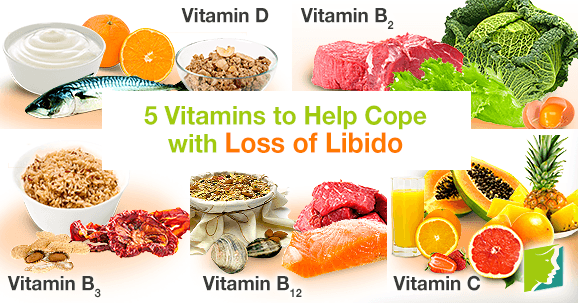
Vitamin D
Vitamin D is essential for the ovaries to produce estrogen. The body synthesizes this vitamin naturally when the skin is exposed to sunlight. It can also be found in a few foods, like oily fish and egg yolks. Yogurt, orange juice, and breakfast cereals may also be fortified with this vitamin.
Vitamin B2
Important in the processing of proteins, carbohydrates, and fats, vitamin B2 plays a key role in lubricating the body from the inside - it's well-known how vital moisture is for increasing sexual enjoyment. Look out for meat and dairy products when trying to boost your intake.
Vitamin B3
Vitamin B3 - found in brown rice, sundried tomatoes, and peanuts - also helps you maintain excitement during sex. Those surges of sexual energy that you experience during intercourse, which ultimately lead to orgasms, are largely initiated by the presence of vitamin B3. If you do not have enough, your body may not conduct the necessary metabolic action that supports those bursts of passion. The explosions of energy are accompanied by intense vaginal blood circulation, which will have you turned on quickly, thanks to this vitamin that can be supplemented if need be.
Vitamin B12
If fatigue is factoring into your loss of libido situation, then you may be deficient in B12. Without this vitamin, you will find yourself dozing off and uninterested in sex. Sleep will seem far more attractive.
Vitamin B12 can increase your energy levels. Enlarged blood vessels in the vagina will also make you far more sensitive to stimulation from your partner. B12 is found in foods such as tuna, crab, clams, and eggs. If you are vegan, B12 is virtually absent from your diet, so you must take a supplement or get a B12 shot from your doctor.
Vitamin C
Next time you're at the supermarket, pick up two bags of oranges; the high vitamin C content of citrus fruits has been shown to enhance libido, increase blood flow, and build blood vessels.
What you may not know that this vitamin preserves fertility and is important in the synthesis of sex hormones that are otherwise unreliable during menopause. This regulation and efficient functioning of estrogen, testosterone, and progesterone will help boost your libido. It also keeps you stress-free and uplifted, the perfect emotions to accompany a hot sex session. Eat some brightening oranges, strawberries, and cantaloupe or take a vitamin C supplement.
While libido is related to many factors, making sure your intake of vitamins is sufficient can help increase your sex drive. Click on the following linking for more information on treatments for loss of libido
Sources
- Studd, John. "Loss of Libido and Menopause". The Management of Menopause. Annual Review 1998. Partenon Publishing.
- Channon L.D and Ballinger S.E. "Some Aspects of Sexuality and Vaginal Symptoms during Menopause and their Relation to Anxiety and Depression". British Journal of Medical Psychology. June 1986. 59 (2): 173-80.
- Sarell, Philip, M.D. "Psychosexual effects of menopause: Role of androgens". American Journal of Obstetrics & Gynecology. March 1999. 180: 3S-II