 Menopause
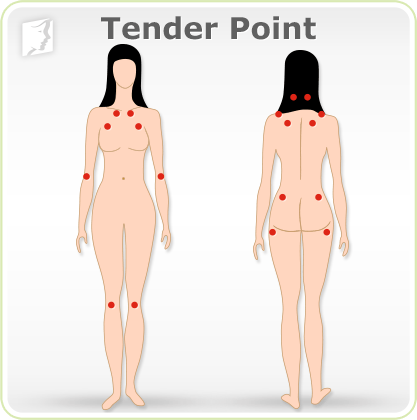
As women get older, they often suffer from joint pain. Although this is a common ailment in both men and women, joint pain is also a symptom of menopause that can be eased with proper knowledge and treatment.
As a woman approaches menopause, typically between the ages of 45 and 55, her body goes through drastic hormonal fluctuations that can affect her in many ways. Hormones play a major role in a woman's bone and joint health. When her hormones become imbalanced during menopause, she will often experience joint pain. Continue reading to learn more about joint pain, its causes, and the treatment options available.
About Joint Pain
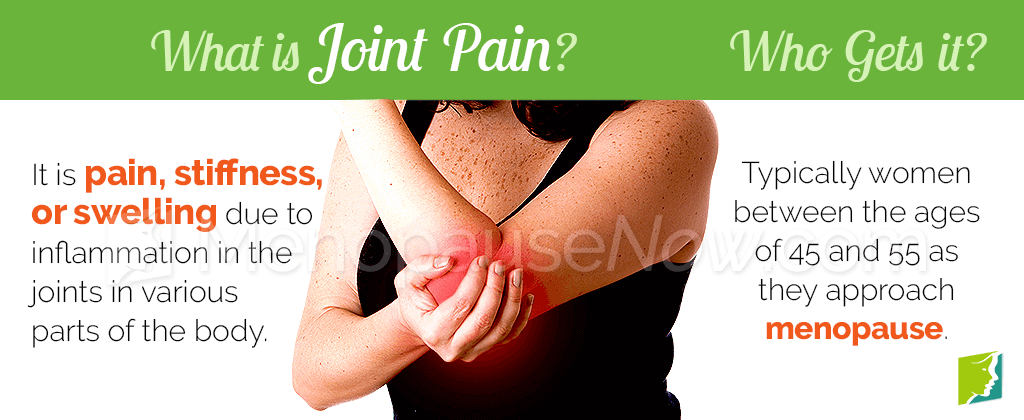
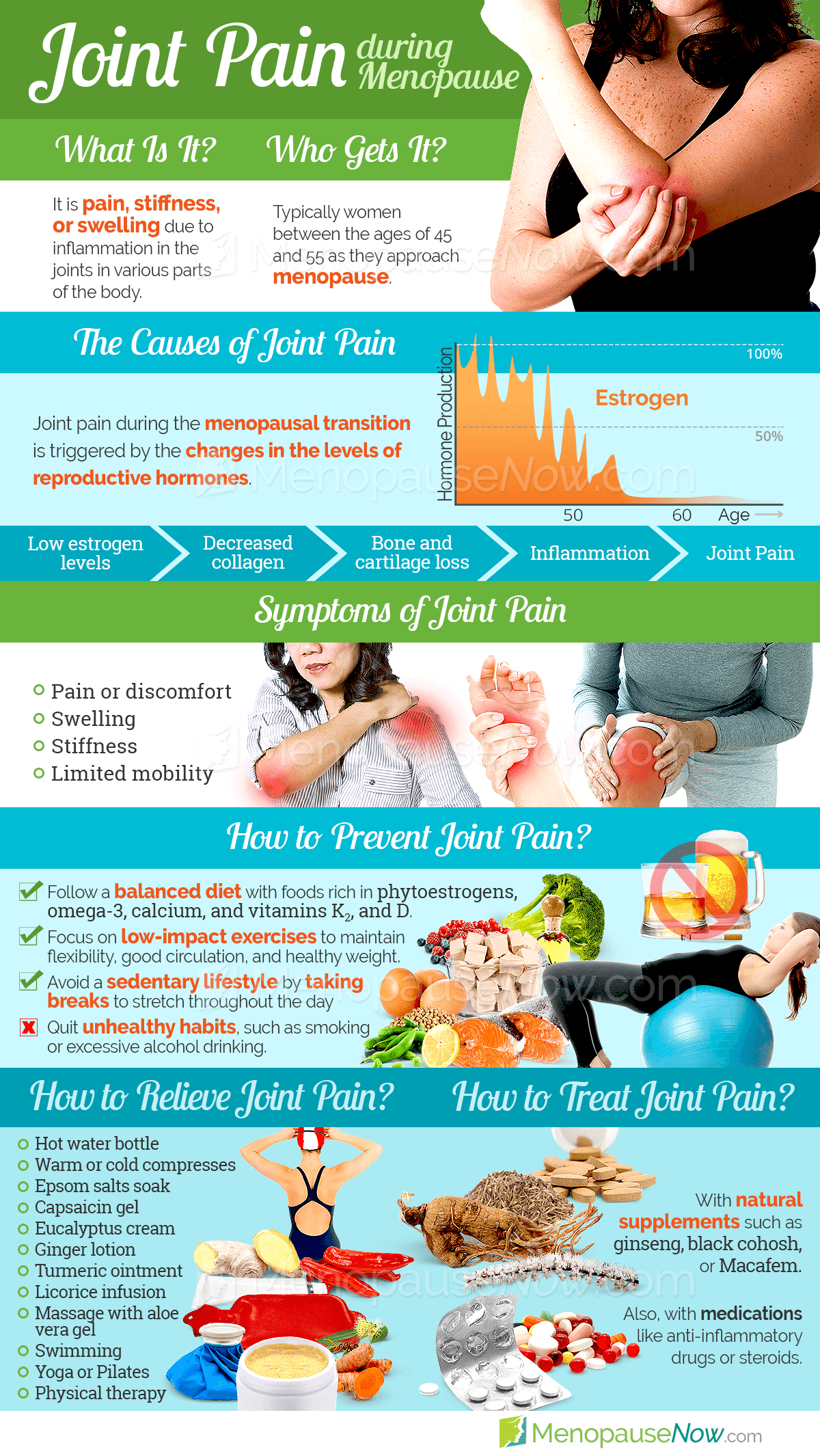
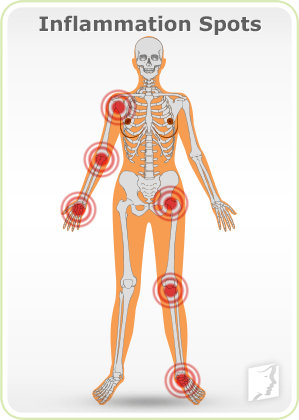
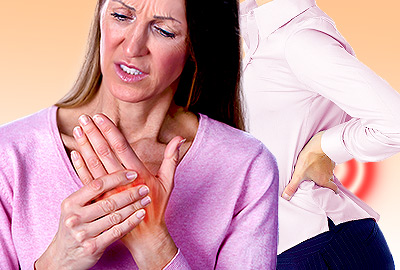
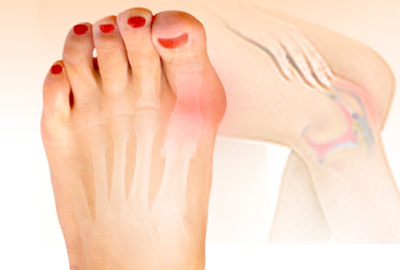
Joint pain, also known as "Arthralgia," is defined as pain, stiffness, or swelling in or around a joint. Joint pain often occurs in joints of high impact, such as the knees, hips, and back, but many women notice the joints in their hands become stiffer and more painful with age.
Types of joints
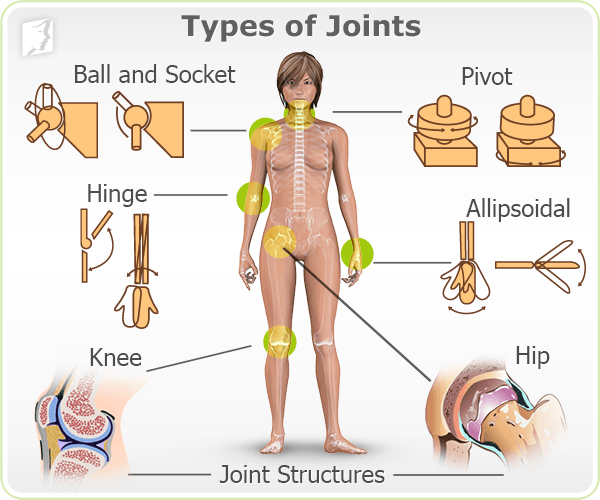
There are several types of joints in the human body. Below is a list of the joints most commonly associated with joint pain.
- Ball and socket joints. These joints allow for a wide range of rotation and movement. The shoulder and hip are ball and socket joints.
- Condyloid joints. These joints allow movement but no rotation. There are condyloid joints in the jaw and fingers.
- Gliding joints. These joints allow bones to glide past each other. There are gliding joints in the ankles, wrists, and spine.
- Hinge joints. These allow for movement much like that of a door hinge. The knee and the ulna part of the elbow are hinge joints.
- Pivot joints. These allow bones to spin and twist around other bones. There are pivot joints in the neck and the radius part of the elbow.
- Saddle joints. These allow for back and forth and side to side motion, but limited rotation. There is a saddle joint in the thumb.
Did you know?
Women are 10 times more likely than men to suffer from joint pain in their hands.
Because joint pain is common in women approaching menopause, some have even used the term "menopausal arthritis" to describe this symptom. It can be incredibly unpleasant and make simple tasks and movements almost unbearable. There are common symptoms to help recognize joint pain.
Symptoms of joint pain
Other causes of joint pain, such as injury or certain types of arthritis, can lead to the following symptoms:
- Fever
- Redness
- Swelling of the joint
- Stiffness of the joint after long periods of rest
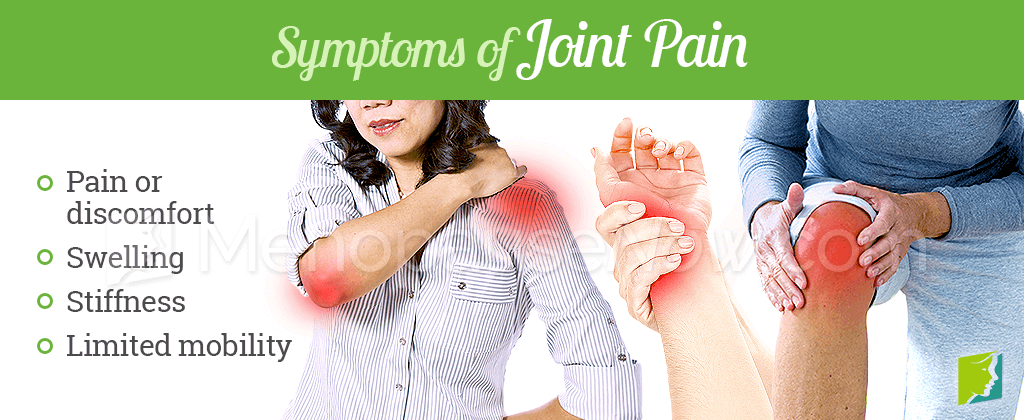
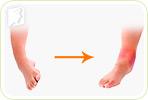
Joint pain symptoms will depend on the particular cause of the pain experienced, but the typical symptoms of joint pain related to menopause include stiffness, swelling, and warmth in the joints. Limited morning stiffness, exacerbation of pain with exercise, and relief from pain with rest are also common symptoms in women who suffer from joint pain.
Continue reading to learn the causes of joint pain to get a better handle on how to treat this common menopause symptom.


Causes of Joint Pain
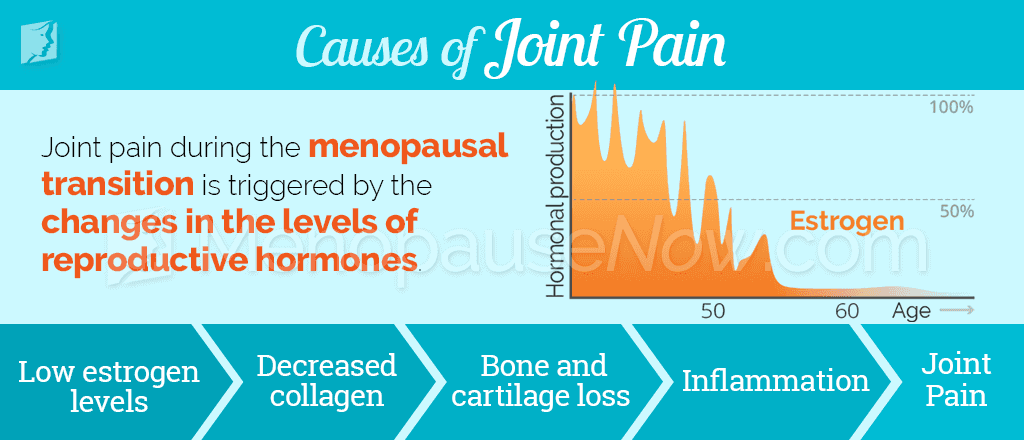
Like most menopause symptoms, joint pain is typically caused by hormonal imbalance. As menopause approaches, a woman's hormone levels begin to fluctuate, preparing for a permanent decrease in production of estrogen, progesterone, and other hormones. Although doctors and researchers are still unclear exactly how hormones - particularly estrogen - affect the joints, it has been observed that menopausal women are more prone to joint pain. It's thought that estrogen plays a role in pain pathways in the body, and it could also have other effects.
Other causes
There are several causes of joint pain not related to hormones. Below is a list of other factors that can cause joint pain:
Joint Pain and Osteoporosis
Osteoporosis is another symptom of menopause that is related to joint pain. During menopause, the rate of bone loss increases as the amount of estrogen produced by the ovaries drops dramatically. Bone loss is most rapid in the first few years after menopause, but continues through the postmenopausal years.
- Wear and tear
- Injuries
- Excess weight
- Diet
- Lack of exercise
- Muscle loss
- Stress
- Heredity
- Inflammation of the joint
- Metabolic disorders
- Bone diseases
- Tumors
When to see a doctor
Consulting a healthcare professional in early stages of joint pain can go a long way toward managing the problem before it grows into a major health concern. Here are some instances when it would be a good idea to see a doctor for joint pain:
- If joint pain lasts for more than three days, moves from the joint the pain started in to other joints, or worsens
- If fever accompanies the joint pain
- If progressive weight loss accompanies the joint pain
Read below to learn the different treatment options for joint pain to find relief.
Joint Pain Treatments
When exploring treatments for joint pain, it's important to begin with methods that are the least obtrusive with the least likelihood of side effects and progress from there.
This means that lifestyle changes are the best place to begin. Walking or simple stretches can help. Even muscle-strengthening exercise can alleviate joint pain. These lifestyle adjustments can be coupled with physical therapy for a holistic approach. Consulting a doctor or physical therapist is recommended before starting a new exercise routine.
Typically, combining lifestyle changes and alternative medicines will produce the best outcome. Alternative medicines can be different herbs and supplements, or even techniques like massage. When seeking out alternative therapies, keep in mind that because joint pain during menopause is typically associated with hormone deficiency, supplements that bring a natural balance to hormone levels will go a long way to alleviate joint pain.
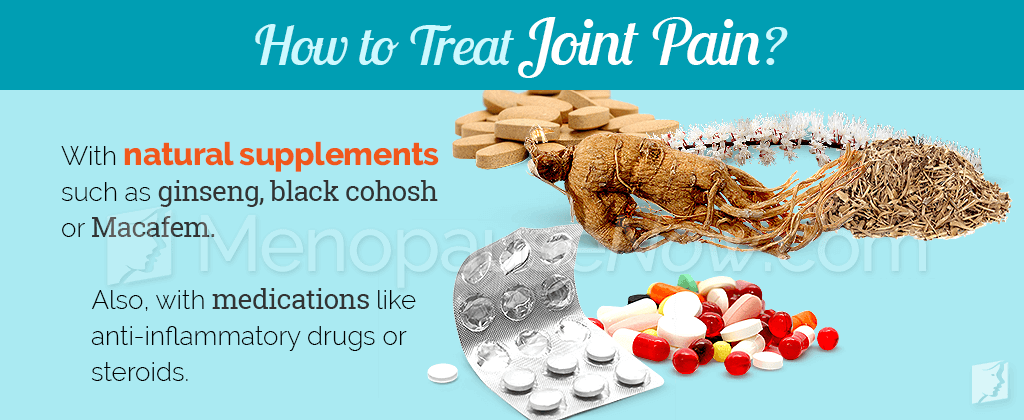
Finally, if a woman still experiencing joint pain, there are different medications and surgeries that can be explored. Medications are often prescribed simply to cope with joint pain. Surgery is an option for extremely severe joint pain. This final option comes with the most risk and side effects.
Click on the following link to learn specific treatments for joint pain, which begin with lifestyle changes, move onto alternative medicines, and finally, if those options do not seem to help, medications and surgery. The most effective treatments for menopausal joint pain typically combine lifestyle changes and alternative medicines.


Sources
- Magliano, M. (2010). Menopausal arthralgia: Fact or fiction. Maturitas, 67(1), 29-33. doi: 10.1016/j.maturitas.2010.04.009.
- National Institutes of Health. (2014). Joint pain. Retrieved May 13, 2016, from https://www.nlm.nih.gov/medlineplus/ency/article/003261.htm
- National Institutes of Health. (n.d.). Osteoarthritis. Retrieved May 13, 2016, from http://nihseniorhealth.gov/osteoarthritis/treatmentandresearch/01.html