Menopause

Nearly all women will experience irregular periods in their lifetimes, especially those who are approaching menopause. Irregular periods are one of the most common symptoms of menopause, affecting about 90% of all women. Generally these experiences are nothing to worry about. However, if you have reason to feel particularly concerned about your irregularities, it's advisable to consult your doctor.
Annual Papanicolau tests and pelvic examinations are a good time to discuss irregular periods with your gynecologist. However, some symptoms of irregular periods warrant immediate attention. Continue reading to learn about the symptoms of irregular periods.
Symptoms that Should Be Addressed Immediately
- Heavy bleeding
- Extended bleeding (i,e.,more than 7 days)
- Bleeding after sex
- Spotting
- Abdominal pain
- Excess hair growth
- Unexplained weight gain
- Accompanying odorous discharge
Understanding your irregular periods and determining whether or not they're a sign of something more serious can be difficult. Click here to learn about what is defined as a regular period, or keep reading below to learn more about the causes of irregular periods.
Hormones: The Likely Cause of Your Irregular Period
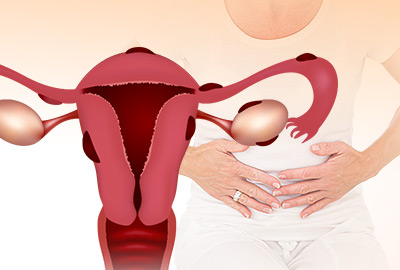
In menopausal women, between the ages 45 and 55, the most common cause of irregular periods is fluctuating hormone levels. When the production of the sex hormones estrogen and progesterone decreases periods become irregular.
The hormone estrogen thickens the uterine lining before ovulation, so when estrogen levels become unbalanced the uterine lining sheds irregularly. This may result in heavy bleeding.
Progesterone regulates the duration and the heaviness of a woman's menstrual cycle. It also spurs the shedding of uterine contents when fertilization does not occur during the female menstrual cycle. When production levels of this hormone decrease, irregular periods result.
Keep reading below to learn more about health conditions and lifestyle triggers that may cause menstruating women to have irregular periods.
Health Conditions
Many health conditions and lifestyle triggers may lead to irregular periods, including:
- Eating disorders
- Polycystic ovarian syndrome (PCOS)
- Uterine abnormalities (e,g.,fibroids, cysts, polyps, endometriosis)
- Irritable bowel syndrome
- Tuberculosis
- Recent birth or miscarriage
- Liver disease
- Diabetes
- Cancer
- Anemia
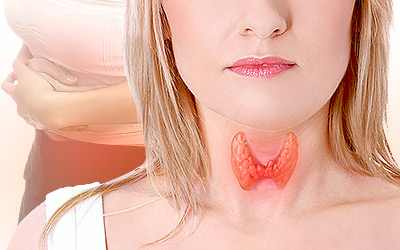
- Thyroid dysfunction
Lifestyle Triggers
- Significant weight gain or loss
- Excessive exercise
- Poor nutrition
- Smoking
- Drug use
- Caffeine
- Excessive alcohol use
- Increased stress
- Medication use
- Breastfeeding
- Certain birth control methods (e.g., intrauterine devices)
If you're seeking treatment for irregular periods, especially those caused by menopause,lifestyle changes and natural remedies can help with irregular periods in menopausal women.
Sources
- Hutchinson, Susan M.D. "The Stages of a Woman's Life: Menstruation, Pregnancy, Nursing, Perimenopause, Menopause". November 2007.
- Love, Susan M.D. Menopause and Hormone Book. New York: Three Rivers Press, 2003.
- BMJ Group. "Menopause: What is it?" Patient Leaflet. 2007