Menopause

During perimenopause, a woman may start experiencing menstrual irregularities.Menstrual irregularities differ for every woman because the symptoms greatly depend on what each woman considers to be a “normal” menstrual cycle. Women often find that they are suffering from menstrual irregularities at some point in their reproductive lives, but perimenopause remains the stage where menstrual irregularities are most frequent. Read on to find more about menstrual irregularities, their symptoms, and how to deal with them.
What Are Menstrual Irregularities?
Due to the fact that every woman is different, menstrual irregularities are rather difficult to define, but they are usually identified by changes in the pattern of menstrual bleeding. Unfortunately, menstrual irregularities are just some of the many menopausal symptoms that can affect women in the transition to menopause.
What Are the Most Common Symptoms?
The most widely reported symptoms of menstrual irregularities include:

- Longer or shorter periods
- Painful cramping
- Blood clots
- Heavier or lighter blood flow
- Breast tenderness
- Fluid retention
- Headaches
- Early or late periods
- Missed periods
Menstrual Irregularities and Menopause
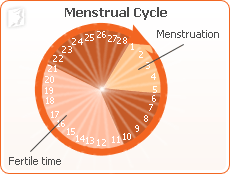
Between the ages of 40 and 55, women are most likely to experience menstrual irregularities, particularly infrequent periods. Menstrual irregularities at the onset of menopause are normally caused by a hormonal imbalance. Estrogen and progesterone are responsible for controlling the menstrual cycle, and when they become imbalanced menstrual irregularities usually follow.
The stage prior to menopause is referred to as perimenopause - it is during this time that women start experiencing symptoms such as hot flashes, night sweats, irregular periods, and fatigue.
Below is a list of symptoms that may require immediate medical attention.
Symptoms That Require Medical Attention
Symptoms of irregular periods vary from woman to woman, but it's recommended that you consult a doctor if you experience any of the following symptoms:

- Spotting or bleeding after sex is a symptom that requires medical attention.
- Spotting or bleeding between periods
- Spotting or bleeding after sex
- Periods that occur more than every three weeks
- Excessive bleeding
Treatments for Menstrual Irregularities
Since menopause is a natural process that a woman's body must go through, treating menstrual irregularities can be difficult. There are; however, a range of available treatments, designed to help women control and relieve their menstrual irregularities.
Lifestyle changes
Women who live a calm and healthy life will find that their hormone levels are fairly balanced and that their menstrual irregularity symptoms are more manageable.
Alternative remedies
There are many herbal and natural remedies that can help stabilize hormone levels and alleviate menstrual symptoms.
Medications and surgery
Only the most severe cases of menstrual irregularities should be treated with prescription medication or surgery.
The safest way is to treat menstrual irregularities with the least risky treatment, and then progress onto the next one only if symptoms persist. Click on the following link for more information about treatments for irregular periods.
Sources
- Hutchinson, Susan M.D. "The Stages of a Woman's Life: Menstruation, Pregnancy, Nursing, Perimenopause, Menopause". November 2007.
- Love, Susan M.D. Menopause and Hormone Book. New York: Three Rivers Press, 2003.
- BMJ Group. "Menopause: What is it?" Patient Leaflet. 2007