Menopause
The universal symptom of menopause is menstrual cycle changes. Irregular cycles are by their nature unpredictable, but there are steps you can take to manage them.
What Defines Irregular Periods?
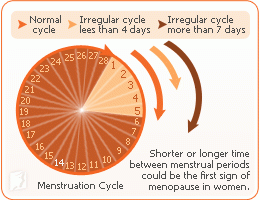
Periods can vary from every 21 to 35 days, with three to seven days of menstruation. They are considered regular if they occur around the same date each month.
Menstrual changes can happen at any point, but are most common during the menopause transition. Periods become less frequent as you approach menopause, until they completely stop. Irregular periods mean the egg isn't developing and releasing the same way as it usually does.
What Causes Irregular Periods?
If you are over forty, then it's likely that menopause is the culprit. Hormones such as estrogen and progesterone regulate the menstrual cycle. When the body starts producing less estrogen and progesterone, it results in changes in the menstrual cycle.
There are a variety of other causes for irregular periods, some quite serious. If your periods are accompanied by other symptoms not associated with menopause, severe pain, or unhealthy levels of bleeding, see a doctor immediately.
Some problems that can cause irregular periods include:
- Polycystic Ovary Syndrome
- Ovarian cancer
- Some types of medication
- Severe stress
- Sudden extreme weight loss or weight gain
- Over-exercising
If you're ever concerned about your irregular periods, you should see a doctor.
How Can I Manage Irregular Periods?
Irregular periods are not something to worry about during menopause. Before ten years have passed, they will cease completely.
Exercise regularly, eat a well-balanced diet, and take time to relax and destress. These three things will help alleviate a number of menopausal symptoms, and can help regulate your period a little more before it disappears. Some types of alternative medicines, such as herbal teas and acupuncture, may also help. Click on the following link for more treatments for irregular periods.
Sources
- Hutchinson, Susan M.D. "The Stages of a Woman's Life: Menstruation, Pregnancy, Nursing, Perimenopause, Menopause". November 2007.
- Love, Susan M.D. Menopause and Hormone Book. New York: Three Rivers Press, 2003.
- BMJ Group. "Menopause: What is it?" Patient Leaflet. 2007