Menopause
For many women, a period can mean up to a week of pain, discomfort, cramps, bloating, and sometimes even headaches and nausea.
Am I Suffering from Irregular Periods?
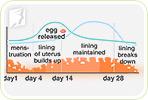
A normal period lasts from 3 to 7 days. However, every women's body and periods are different so what might regular to one women is irregular to another.
Many women experience cramping, bloating, mood swings, and grumpiness around the same time as their period. However if your menstrual pain is excessive, or more significantly noticeable, it is possible that you might have endometriosis.
What Can I Do?
Because irregular periods are often related to stress and the condition of the body it is important to make sure your body is in a condition that can handle the changes.Here is a list of things you can do at home:
Reduce stress. Take time to relax, read, or hang out with friends. Whatever allows you to relax and unwind.
Treat any potential eating disorders. Eating disorders will affect period cycles, overall health, and can cause serious health problems. If you think you might be suffering from one, take steps to seek professional help.
Exercise. Exercise is a great way to relax the body and the mind. Workouts that include aerobic exercises can be very beneficial. However, be careful not to over-exercise. Excessive exercising can put added strain on the body and cause periods to be worse or more irregular.
Medications. Over-the-counter medication such as Advil or Ibuprofen can reduce pain and inflammation.
What Medications Can Help Irregular Periods?
There are usually two different treatments women can choose if they are experiencing intense menstrual pain:
.jpg)
Hormonal contraceptives. These are often used to regulate menstrual cycles. They are available by prescription and can come as patches, injections, or pills.
- Hormonal supplements. Hormone imbalances can sometimes be remedied with supplements that regulate hormone levels and help get the period back on track.
What Medications Can Help Irregular Periods?
As mentioned above there are a number of contributing factors that can affect the regularity of a period. Primarily it is important that you are taking care of your body. Pain such as headaches, bloating, cramps, and other symptoms are common, but should be monitored.

Exercise and stress relief are key when trying to get the body back on track. Each month your body undergoes changes and these changes affect the body. The best way to fight them is to keep your body in good condition.
Some find that alternative medicines work for them. There are many types of alternative treatments that have worked for people, such as aromatherapy and herbal supplements. However, if you are experiencing irregularities it is best that you share your concerns with your doctor to find out why you are experiencing irregular periods and pain, and to find the best treatment for them.
Sources
- Hutchinson, Susan M.D. "The Stages of a Woman's Life: Menstruation, Pregnancy, Nursing, Perimenopause, Menopause". November 2007.
- Love, Susan M.D. Menopause and Hormone Book. New York: Three Rivers Press, 2003.
- BMJ Group. "Menopause: What is it?" Patient Leaflet. 2007