Menopause

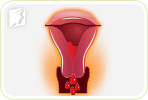
A shift in hormones causes irregular periods in menopause.Between the ages of 45 and 55, women begin the menopausal transition and the end of fertility. During this time, the body will experience a shift in hormones, which often results in irregular periods. In fact, only 10% of women go through menopause without noticing irregular menstruation.
Though every woman's body and menstrual cycle is different, it is natural to experience an abnormal period once or twice per year. However, there are some irregularities that could indicate a more serious health problem. Below are some warning signs of an underlying condition.
Extended Bleeding

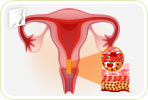
Extended and heavy bleeding are some warning signs.Bleeding lasting more than 5 days or more than your normal period length can be sign of an underlying condition. Try keeping a diary detailing each cycle length and any other irregularities to help a doctor identify the problem.
Heavy Bleeding
Heavy bleeding can be identified by blood clots or soaking through sanitary napkins hourly. Count the number of pads or tampons you use every period to see if your period is too heavy.
Spotting between Periods or after Sex
Light spotting between periods happens, but heavy bleeding or spotting every cycle could indicate another problem.
Severe Cramping between Cycles

Severe cramping between cycles is another sign of warning.Before taking painkillers, it is helpful to write down what the pain feels like so that you can communicate it with your doctor if it is a recurrent problem.
Periods Coming Closer Together
Count the days between cycles and keep a record of them along with any other irregularities.
Nipple Discharge
This symptom is often accompanied by a menstrual irregularity, especially postpartum. It could also be a sign of an overproduction of prolactin, the breastfeeding hormone.
Vaginal Discharge with Odor
Especially if accompanied by a fever and irregular periods, foul discharge could point to an infection. It is better to avoid douching, as this could make it worse.
Excessive Hair Growth

Any hair that grows not on the head, such as the chin and neck, are typically a sign of hormone imbalance (i,e.,excess testosterone production). You should consult your doctor about it.
Deepened Voice
This is another sign of polycystic ovarian syndrome (PCOS) and testosterone imbalance. It is frequently accompanied by menstrual irregularities, especially heavy periods or long cycles.
Sudden Weight Gain
Unintentional and unexplained weight gain - especially when it occurs with irregular periods, a hoarse voice, and excessive hair - may indicate PCOS. It is helpful to monitor what you eat to see if it is a diet issue. If not, it is likely due to hormonal imbalance.
Recommendations about Irregular Periods
Frequently, irregular periods are the result of hormonal imbalance or another underlying disorder. Before buying expensive and risky prescriptions, lifestyle changes, such as eating more fruits and vegetables, consuming less processed food, exercising regularly, and drinking more water may help relieve the problem. Also, herbal supplements and other alternative options have been proven effective in treating hormonal imbalances. However, if you are having chronic irregular periods, you should consult your doctor.
Sources
- Hutchinson, Susan M.D. "The Stages of a Woman's Life: Menstruation, Pregnancy, Nursing, Perimenopause, Menopause". November 2007.
- Love, Susan M.D. Menopause and Hormone Book. New York: Three Rivers Press, 2003.
- BMJ Group. "Menopause: What is it?" Patient Leaflet. 2007