Menopause
Irregular periods are characterized by infrequent or too frequent periods; missed periods; painful periods; or a change in blood flow. Many people treat irregular periods with birth control, but what type of birth control is right for you?
Continue reading to discover various birth control options to regulate periods so that you can have a more predictable menstrual cycle from here on.
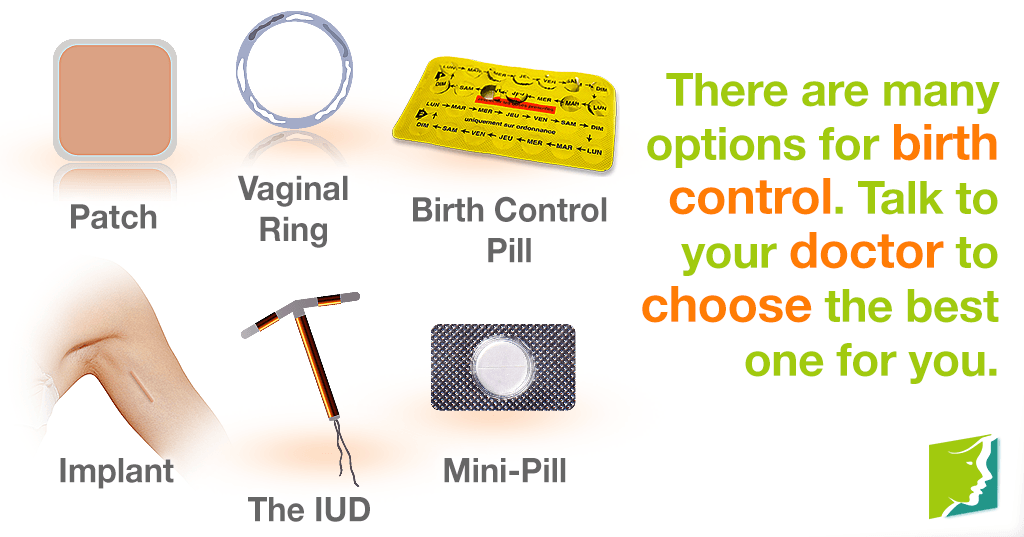
Birth Control Options to Regulate Periods
There is no exact method to choosing a birth control option to regulate periods. Some are better for women with heavy bleeding, and they are specified below, but in general, use of a specific type is generally based on personal preference and what you and your doctor decide is best for your reproductive health.
Combined birth control pill
This contraceptive pill combines estrogen and progesterone and is taken for cycles of 21 days. During the following seven-day break, menstruation will occur. The pill manipulates your natural hormones to prevent ovulation, and any bleeding during the pill break is “withdrawal bleeding” induced by the removal of synthetic hormones. Likewise, with low-dose combination pills, which are taken continuously, a woman usually stops getting a period and only has light spotting at most.
The mini-pill
This is a progesterone-only pill taken continuously over the month, without a break. It is a main choice for women suffering from heavy periods. Ovulation still occurs and, therefore, you still have a monthly period. However, over time, periods should become more regular, although spotting and a change in blood flow are likely to occur.
The patch
An adhesive patch is placed directly on the skin and releases estrogen and progesterone into the body to inhibit ovulation. Three patches are worn during the monthly cycle followed by a “withdrawal bleed” in the fourth week. However, heavier or lighter bleeding is likely. You can choose to not have a hormone-free break and not bleed at all. Just continually apply a new patch each week.
Vaginal ring
This small, flexible ring is inserted into the vagina for three weeks out of the four-week cycle. It releases estrogen and progesterone into the body, preventing ovulation. It's likely to ease cramping and make periods lighter. Again, you can choose to not have a hormone-free break and not bleed at all, but it can lead to serious conditions later in life.
The implant
This small rod is placed under the skin of a woman's upper arm for up to three years. The implant consistently releases progesterone into the system, which means that the menstrual cycle is manipulated as ovulation stops. Periods will become lighter and more regular. Some women's periods will stop altogether.
Hormonal intrauterine devices
The intrauterine device (IUD) is a small T-shaped device inserted into a woman's uterus for up to five years. Although traditionally made from copper or other spermicidal materials, new models now prevent pregnancy by releasing small doses of progesterone into the system, which also reduces heavy bleeding. Periods will often become very regular or stop altogether, but you may experience irregular bleeding for the first three to six months.
Risks and Side Effects
The most common side effects for all aforementioned birth control methods - pills, rings, implants, patches, and IUDs - are headaches, nausea, breast tenderness, acne, fluid retention, and spotting. The options that come in contact with the skin may cause irritation.
Also, no matter the contraceptive method, all hormonal birth control methods carry an increased risk of blood clots (thrombosis). Depending upon family history, the use of synthetic estrogen may increase the risk of developing hormone-dependent cancers as well, such as breast, uterine, or ovarian cancer.
Recommendation
While most methods of hormonal birth control make your cycle more regular, when beginning any of these, it may take a few months for the body to adjust. Always talk to your doctor before pursuing any contraceptive treatment to discuss the risks and benefits given your personal medical history.
However, for a more natural and effective way to normalize irregular periods during menopause, click on the following link that will bring you to irregular periods treatments for ultimate relief.
Sources
- InformedHealth.org. (2017). What are the treatment options for heavy periods? Retrieved March 28, 2019, from https://www.ncbi.nlm.nih.gov/books/NBK279293/
- Mayo Clinic. (2018). NuvaRing (vaginal ring). Retrieved March 28, 2019, from https://www.mayoclinic.org/tests-procedures/nuvaring/about/pac-20394784
- NHS. (2018). Contraceptive implant. Retrieved March 28, 2019, https://www.nhs.uk/conditions/contraception/contraceptive-implant/
- Planned Parenthood. (n.d.). How do I use the birth control patch? | What are the disadvantages fo the patch? Retrieved March 28, 2019, from https://www.plannedparenthood.org/learn/birth-control/birth-control-patch/how-do-i-use-birth-control-patch | https://www.plannedparenthood.org/learn/birth-control/birth-control-patch/what-are-disadvantages-patch