 Menopause
Did you know?
Menopause occurs only after a woman has not had her period for one year.
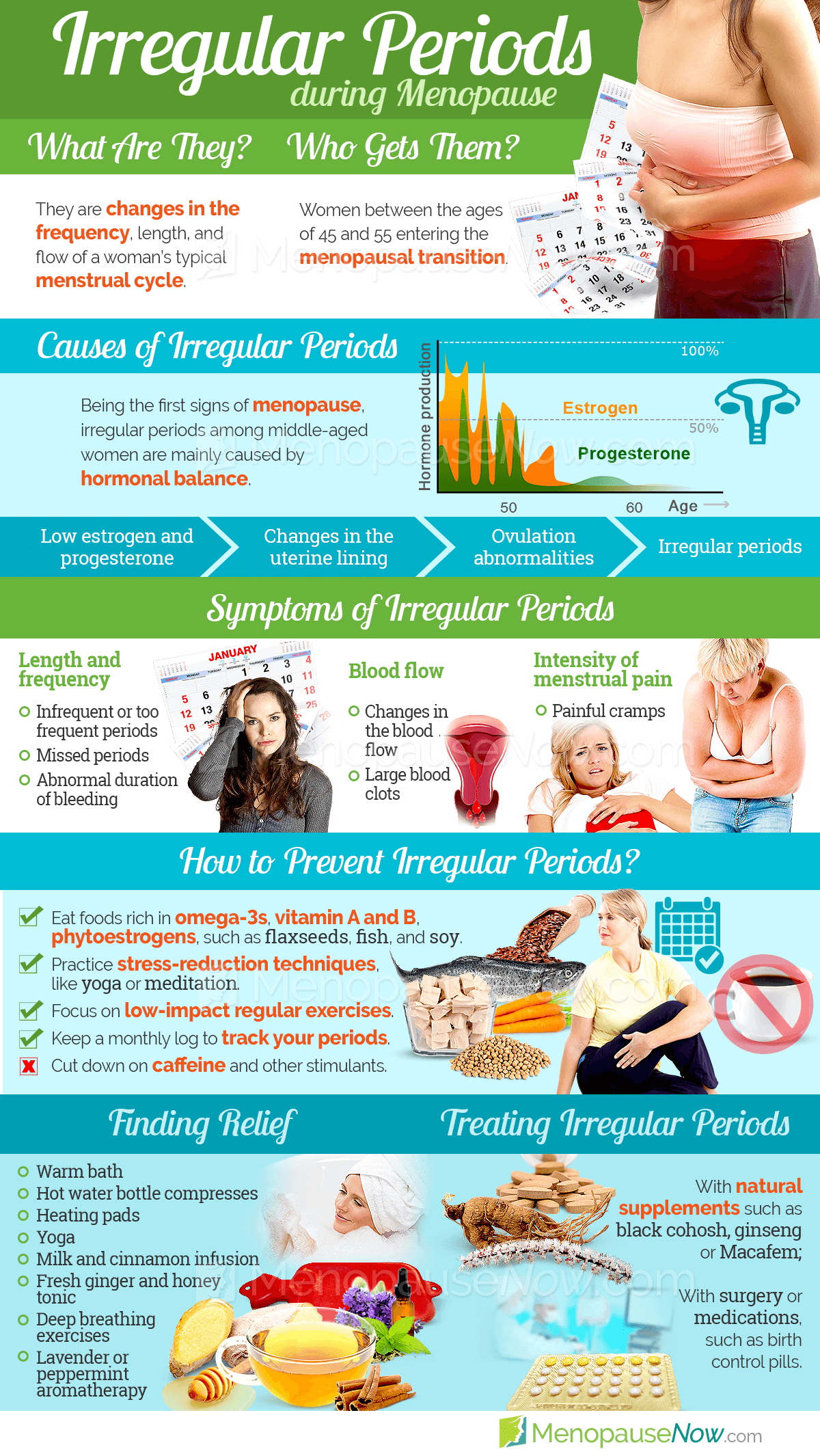
Irregular periods are often one of the first signs that a woman is approaching menopause. Though the exact symptoms of irregular periods vary depending on a woman's unique cycle, most women will experience irregular periods for three to ten years before periods stop completely. In fact, only 10% of women reach menopause without any irregular periods.
As menopause approaches, women's hormones become imbalanced, and because the menstrual cycle is entirely dependent upon hormones, irregular periods often occur. Keep reading to learn more about irregular periods and their symptoms, common causes, and treatment options.
About Irregular Periods
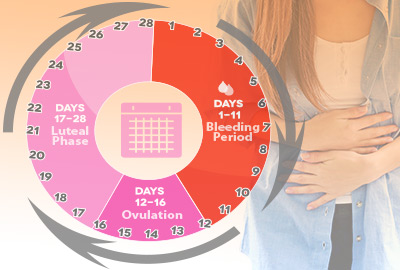
When discussing irregular periods, it is helpful to first understand what a "normal" period is. While every woman is different, normal periods are typically described as occurring every 28 - 31 days, with bleeding lasting approximately five days. The average amount of blood loss during a normal period is two to eight tablespoons.
While this is a general definition of normal periods, some women may experience menstruation differently. Thus, irregular periods might be characterized by other symptoms. What is irregular for one woman may be normal for another.
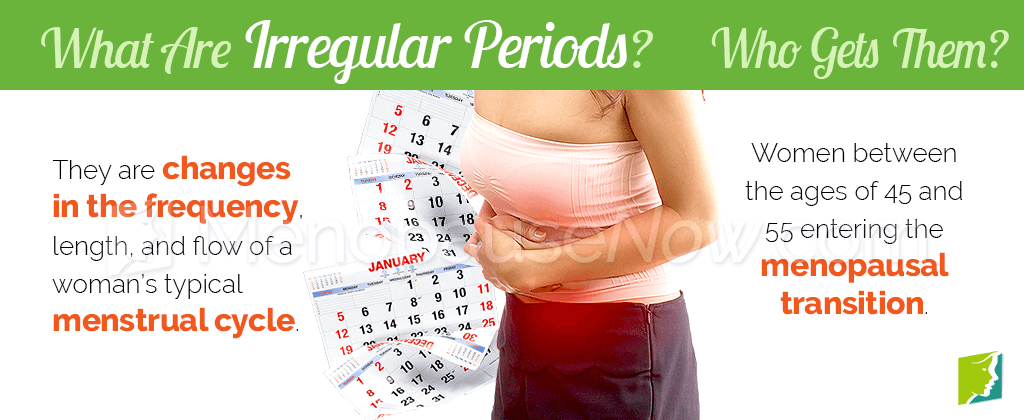
Irregular periods, then, are any alterations in a woman's typical menstrual cycle that persist for several months. Such alterations usually include abnormal bleeding and unusual cycle lengths.
Types of Irregular Periods
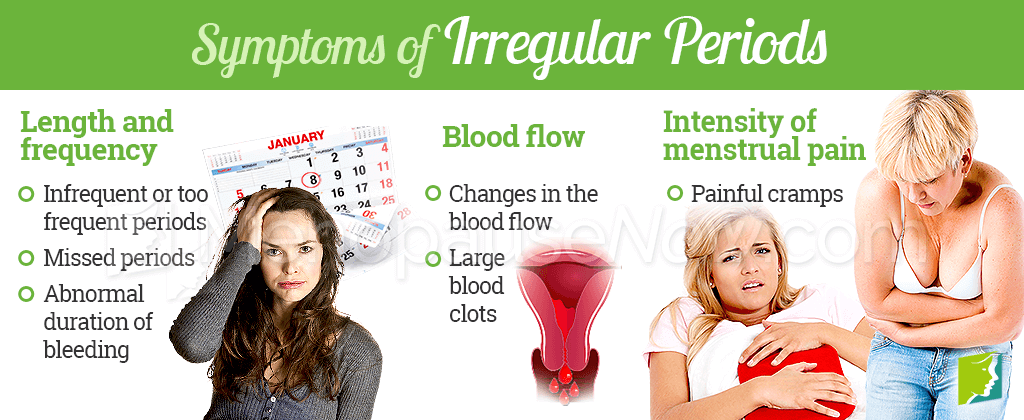
Irregular periods are essentially characterized by what is unusual for each individual. There are, however, specific symptoms that can help to determine if irregular periods are occurring.
Research
Recent research shows that shortened intervals between periods are one of the most common symptoms of irregular periods in early menopause.
Irregularities in length
- Infrequent or too frequent periods
- Missed periods
Irregularities in flow
- Changes in blood flow
- Blood clots larger than an inch (2.5 cm) in diameter
Irregularities in pain
- Painful cramping
Fertility and irregular periods
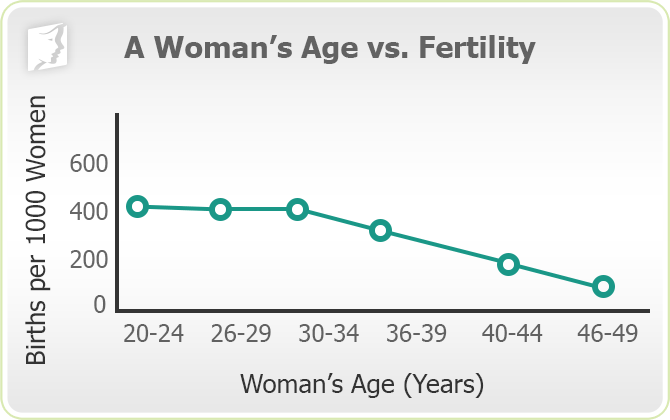
Many women wonder about their fertility when they begin to experience irregular periods. It is important to remember that pregnancy can occur anytime before menopause, even if a woman's periods are irregular. It is quite possible during perimenopause to go months without a period, only to have it return. During this time, it is still possible to become pregnant.
Anovulation
Anovulation is when a woman's ovaries do not release an egg during a menstrual cycle, which often occurs with irregular periods during menopause. In other words, it is common for perimenopausal woman to bleed but not ovulate.
Special cases
There are some special cases that can be associated with irregular periods, including use of cyclical hormones, incomplete hysterectomy, and postmenopausal bleeding.
Click here to learn more about irregular periods or continue reading below to understand the causes of irregular periods, especially in the time preceding menopause.
Causes of Irregular Periods
Did you know?
On average, a women has 500 menstrual cycles throughout her lifetime, between the time of her first period at about age 12 to her last period just prior to menopause.
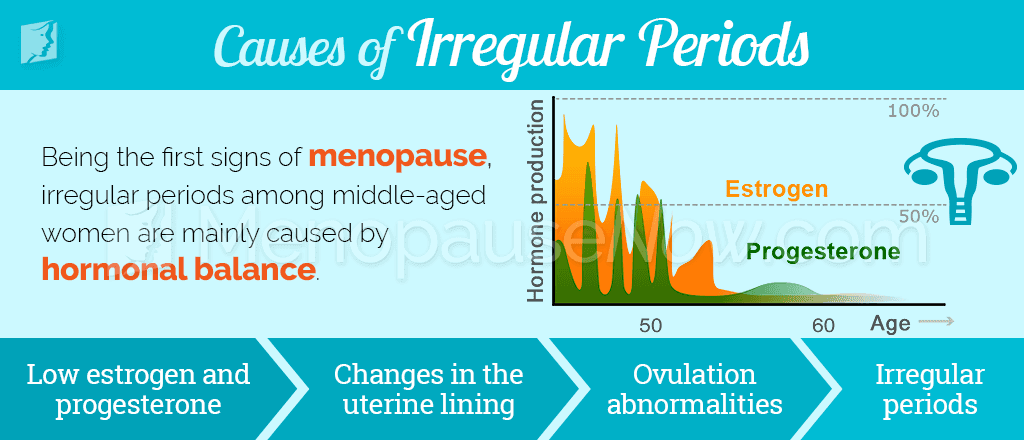
Several factors can cause irregular periods, but for women approaching menopause, the most likely cause is fluctuating hormone levels. These hormonal changes are typically experienced between the ages of 45 and 55. A woman's menstrual cycle inextricably linked to her hormones because hormones, particularly estrogen and progesterone, drive the process. When hormone production begins to taper off, periods often become irregular.
To better understand the hormonal cause of irregular periods, it's helpful to learn what functions the hormones play during menstruation.
Role of hormones during the menstrual cycle
While menstruation is orchestrated by many hormones, progesterone and estrogen are the primary ones connected to irregular periods.
Estrogen
Estrogen is responsible for thickening the uterine lining before ovulation. As levels of estrogen become erratic during menopause, this lining is often shed irregularly and can lead to heavy bleeding.
Progesterone
Progesterone plays a part in regulating the release of an egg, known as ovulation. It is also responsible for controlling the intensity and duration of menstrual bleeding. When progesterone declines during menopause, it can lead to irregular periods. During anovulation, which is common with irregular periods in menopause, progesterone is not produced, or at least not at sufficient levels.
As production of these two essential hormones begins to decrease prior to menopause, periods are usually affected. Before decreasing to a consistently low level, estrogen and progesterone levels will often fluctuate drastically and cause irregular periods.
Other Causes of Irregular Periods
Although hormonal imbalance is the primary cause of irregular periods during menopause, there are some health conditions and lifestyle triggers that can cause irregular periods.
Health conditions
- Eating disorders
- Polycystic ovarian syndrome
- Uterine abnormalities (fibroids, cysts, polyps, and endometriosis)
- Thyroid dysfunction
- Irritable bowel syndrome
- Tuberculosis
- Recent birth, miscarriage, or dilation and curettage ("D and C")
- Liver disease
- Diabetes
- Cancer
- Anemia
Lifestyle triggers
- Significant weight gain or loss
- Over-exercise
- Poor nutrition
- Smoking
- Drug use
- Caffeine
- Excessive alcohol consumption
- Increased stress
- Medication
- Breastfeeding
When to See a Doctor
Many experts advise that all women speak with their healthcare providers when they begin to experience the symptoms of menopause, including irregular periods. Annual pelvic exam appointments are a good opportunity to mention irregular periods, particularly if they are bothersome or concerning. You may want to call you doctor if you have:

- Infrequent or too frequent periods
- Missed periods
- Painful cramping
- Abnormal duration of bleeding
- Changes in blood flow
- Blood clots
Click here to read more about the causes of irregular periods or continue reading to understand the treatment options available for irregular periods.



Irregular Periods Treatments
To treat this symptom of menopause, a three-tiered approach can be utilized. It is recommended to start with the least invasive option, and then work up to more drastic measures if necessary.
Lifestyle changes
Some easy lifestyle tips can help you cope with irregular periods. Leading a sedentary lifestyle or consuming too much caffeine or alcohol can exacerbate symptoms. Increased stress due to work pressure or family obligations can also increase the severity of irregular periods. By practicing stress-relieving techniques such as yoga or meditation, the incidence of irregular periods can be reduced.
Getting sufficient, restful sleep is important as well. Increasing the intake of complex carbohydrates, fruits, vegetables, and water can help balance your system, making for a smoother cycle.
Out of pocket
Women spend approximately five billion dollars a year on hormone replacement therapy (HRT).
Alternative medicine
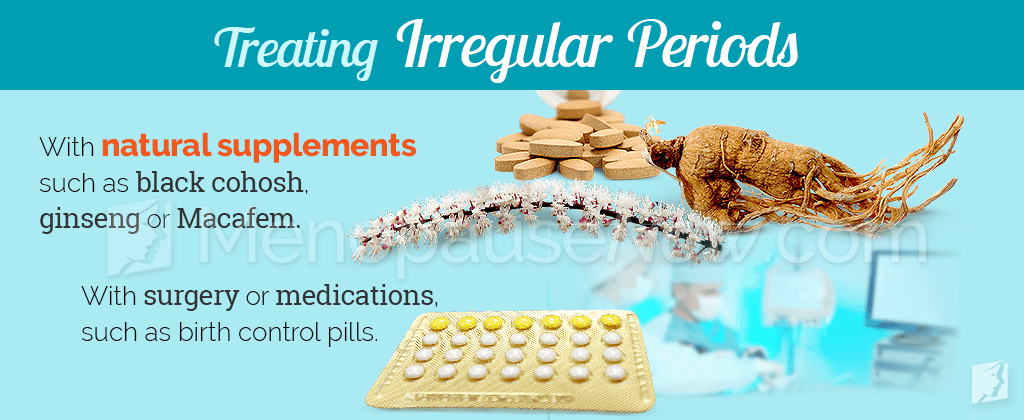
If lifestyle changes aren't working and a woman is still experiencing irregular periods, there are further treatment options available. Alternative medicines that address the hormonal imbalance at the source are the most effective method of treatment, particularly when implemented in conjunction with lifestyle changes.
Prescription medication and surgery
For more serious incidences of irregular periods, more invasive measures can be taken, but these should always be under the supervision of a doctor. Hormone therapy and surgery also carry more risks and side effects.
Most experts recommend that women who wish to treat irregular periods first begin with lifestyle changes, then move on to alternative medicines - ideally combining the two - and, finally, look to prescriptions or surgery if nothing else seems to work.
Click on the following link to learn more about specific treatments for irregular periods.




Sources
- Hutchinson, S. (2007). The Stages of a Woman's Life: Menstruation, Pregnancy, Nursing, Perimenopause, Menopause.
- Love, S. (2003). Menopause and Hormone Book. New York: Three Rivers Press.
- National Health Service UK. (2015). Irregular periods. Retrieved April 4, 2016, from http://www.nhs.uk/Conditions/Periods-irregular/Pages/Introduction.aspx