 Menopause
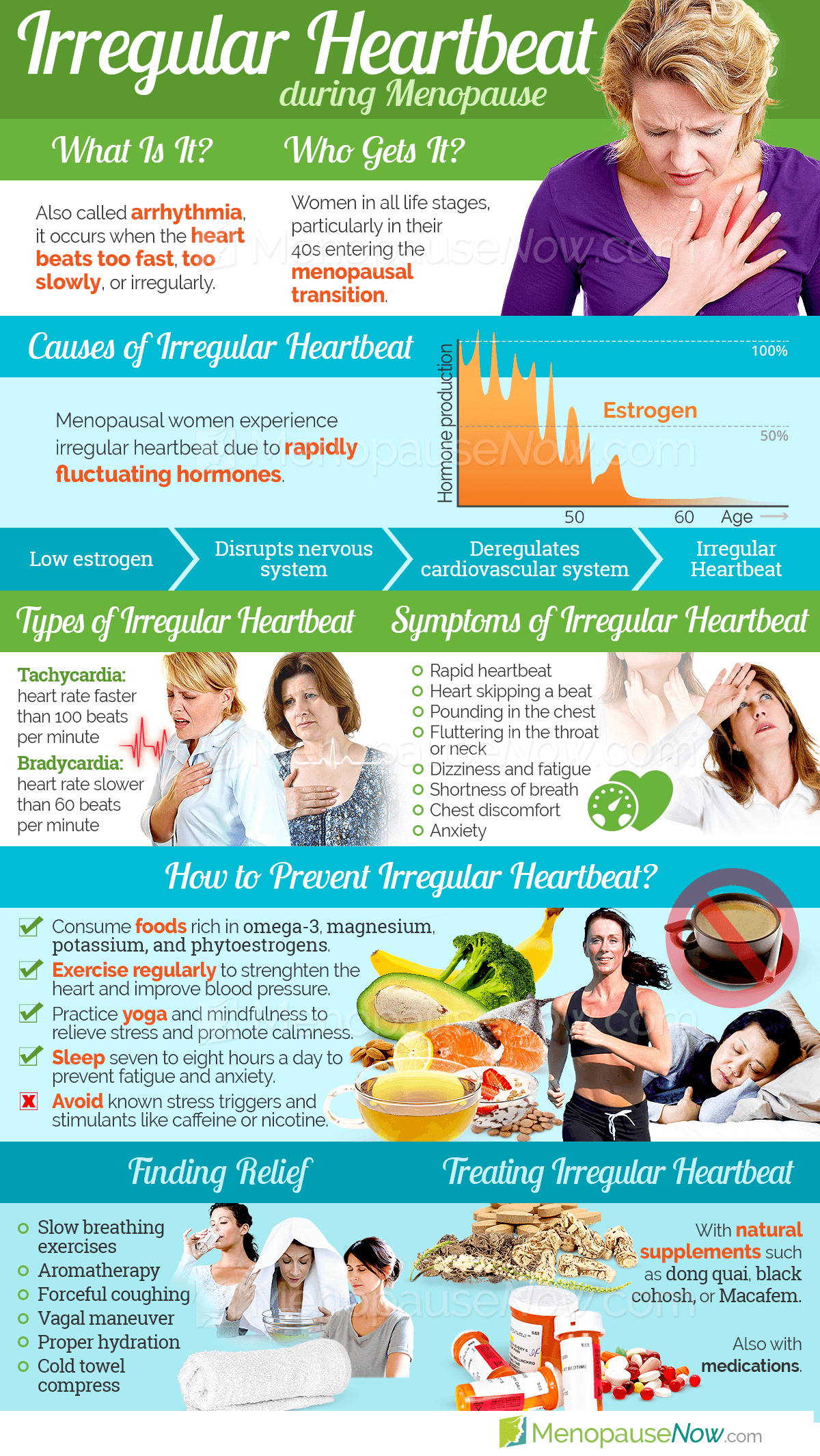
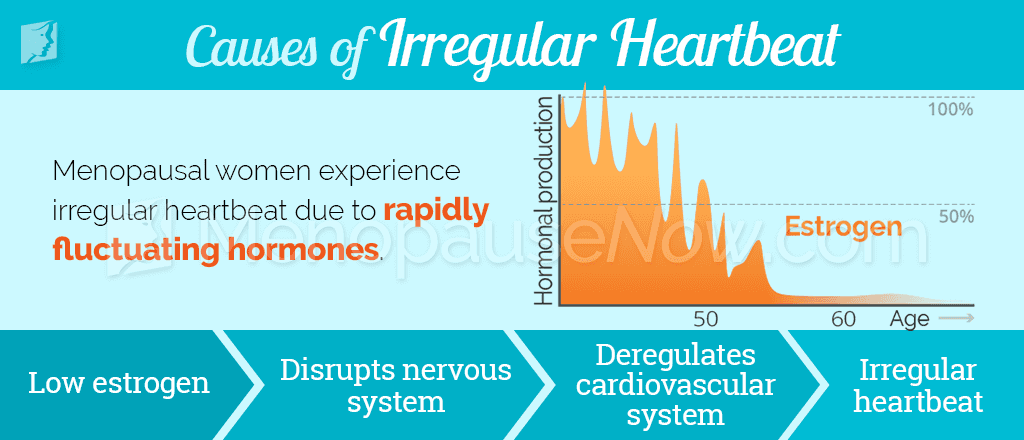
Irregular heartbeat is a common symptom many women experience during menopause. This cardiovascular phenomenon is often prompted by changing estrogen levels, which naturally occur as a woman approaches menopause.
Cardiovascular Terminology
- Pulse. Rhythmic contraction and expansion of the arteries with each heartbeat.
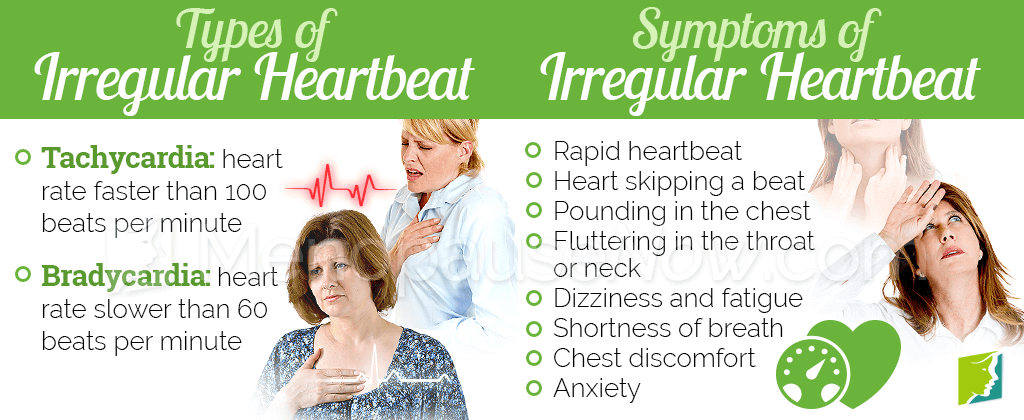
- Tachycardia. Fast or irregular heartbeat; over 100 beats per minute.
- Bradycardia. Unusually slow heart rate, fewer than 60 beats per minute.
- Extrasystole. Occasional extra heartbeat.
- Arrhythmia. Abnormal heart rhythm (not always present with irregular heartbeat).
- Enhanced cardiac awareness. Heart feels like it is pounding, but pulse is normal.
While irregular heartbeat is often normal during this time, episodes are nevertheless sudden and alarming for many women.
The first step in managing irregular heartbeat during menopause is to learn about the symptoms, causes, and treatment. Read on to learn more about irregular heartbeat in menopause.
About Irregular Heartbeat
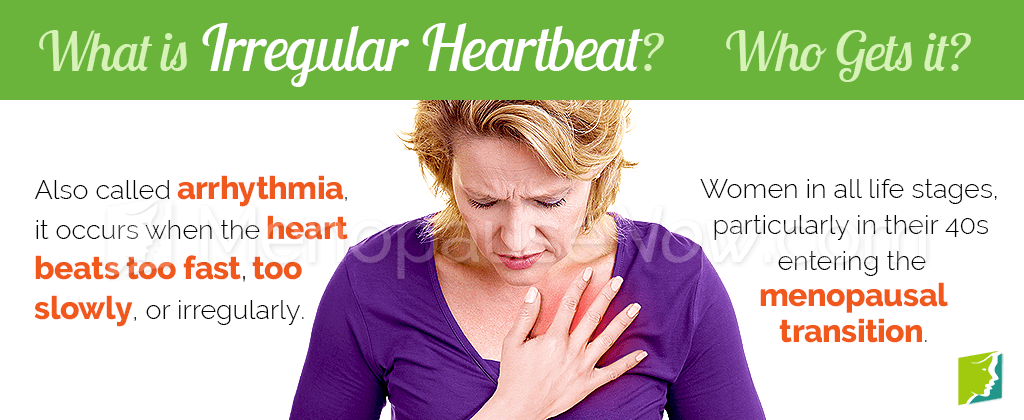
Irregular heartbeat, known medically as heart palpitations or arrhythmia, occurs when the heart beats faster or more forcefully than normal. This often gives a woman an unpleasant awareness of her own heartbeat. She may feel as if her heart has skipped a beat or is pounding out of her chest. Irregular heartbeat may or may not produce changes in heart rhythm.
Heart function
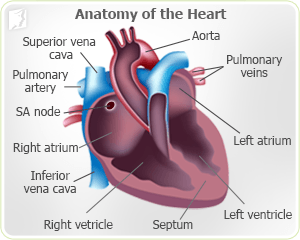
Heart rhythm is coordinated by the heart's own electrical system. With each heartbeat, an electrical impulse begins at the sinus, or sinoatrial (SA) node, the heart's natural pacemaker. The SA node produces the electrical impulses, which set the rate and rhythm of the heartbeat. The impulse spreads through the right and left atrial walls, causing them to contract and force blood into the ventricles. This impulse reaches the atrioventricular (AV) node, which acts as an electrical bridge carrying impulses from the atria to the ventricles after a brief delay.
From the AV node, the impulse travels through a fiber pathway that sends the impulse into the ventricles, causing them to contract. The contraction forces blood out of the heart to the lungs and body, and the semilunar valves close.
Normal heart rate
For most people, the average heart rate is 60 - 100 beats per minute. For some individuals, such as those who regularly exercise or take certain medications, their normal heart rate can be around 55 beats per minute, sometimes even less.
How to measure pulse
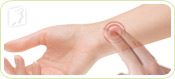
To measure heart rate at the wrist, put the index and middle finger on the inside of the opposite wrist, just below the thumb base. Once the pulse is located, count the number of beats for one minute (or 30 seconds and multiply by two). This will give a woman her heart beats per minute.
Read on to learn more about the symptoms of irregular heartbeat.
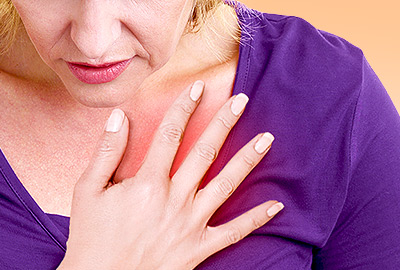
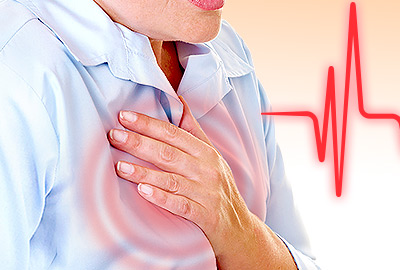
Symptoms of Irregular Heartbeat
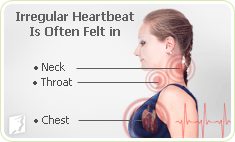
Irregular heartbeat can occur at any time of day or night. Episodes may last anywhere from a few seconds to several minutes. The boxes below show the common symptoms of irregular heartbeat.
Once the symptoms of irregular heartbeat have been covered, the next step is learning about the different causes of irregular heartbeat, whether the triggers are hormonal or not.
Symptoms of irregular heartbeat
- Fluttering
- Feeling like the heart has skipped a beat
- Pounding in the chest, throat, or neck
- Heartbeat awareness
- Increased pulse rate
- Rapid heartbeat
Symptoms may also be accompanied by
- Dizziness or lightheadedness
- Shortness of breath
- Chest discomfort
- Flushing
- Feelings of panic or anxiety
- Weakness or fatigue

Causes of Irregular Heartbeat
Did You Know?
Premenopausal women have a lower incidence of irregular heartbeat compared to same-aged men and peri- and postmenopausal women.
During menopause, the most common cause of irregular heartbeat is fluctuating estrogen levels. While this is the most common explanation for irregular heartbeat during menopause, other medical conditions can also cause or contribute to irregular heartbeat. It is important to understand all of these possible causes.
Hormonal causes
Recent advances in cardiovascular medicine have helped experts to understand the significant role of estrogen in heart function. As a woman approaches menopause, the levels of estrogen produced by her endocrine system fluctuate and eventually decline, which can have a significant effect on the cardiovascular system.
Estrogen and the Cardiovascular System
Estrogen has a proven effect on:
- Metabolism of cholesterol
- Blood levels of high and low density lipoproteins (HDL and LDL)
- Smooth muscle cell proliferation in arterial wall
- The inhibition of the constriction of coronary arteries
- The autonomic nervous system, which works to regulate heartbeat
For example, diminished estrogen levels can result in the overstimulation of the sympathetic autonomic nervous system, which can cause irregular heartbeat and heart palpitations.
Studies have found that declining estrogen levels during perimenopause are correlated with irregular heartbeats, increased palpitation frequency, and non-threatening arrhythmias.
Although changes in estrogen are the most common cause of irregular heartbeat during menopause, other medical conditions and medications can also cause or contribute to irregular heartbeat. While these possible causes are numerous, some of the more common are described below.
Non-hormonal Causes of Irregular Heartbeat
Medical Causes
- Overactive thyroid
- Fever, anemia
- Hyperventilation
- Low levels of oxygen in the blood
- Certain medications
- Heart arrhythmia
- Heart disease
Common Triggers
- Exercise
- Anxiety
- Caffeine
- Diet pills
- Drug abuse
- Nicotine
- Stress
Though irregular heartbeat is often a normal part of the menopausal transition, there are cases where this symptom might indicate a more serious health condition.
Continue reading to find out when to contact a doctor about irregular heartbeat.

Extreme Cases of Irregular Heartbeat
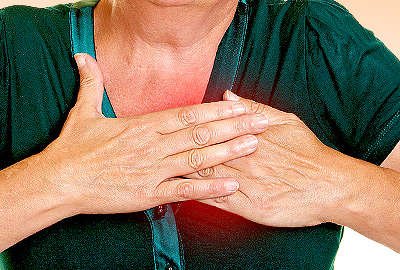
Irregular heartbeat may be cause for concern if experienced in addition to other symptoms. Women who experience irregular heartbeat accompanied by a loss of consciousness, shortness of breath, chest pain, unexplained sweating, or dizziness should seek immediate medical attention. A pulse over 100 beats per minute in the absence of anxiety, fever, or exercise should be discussed with a healthcare professional.
Cardiovascular Tests for Irregular Heartbeat
- Electrocardiogram (ECG)
- Ambulatory monitor
- Stress test
- Cardiac echo
- Electrophysiology test
- Head upright tilt test
A doctor should be consulted in the following cases:
- New or different heart palpitations are experienced
- Over six extra beats per minute or clusters of three or more extra beats are felt
- Risk factors of heart disease are present (diabetes, high blood pressure, high cholesterol)
For women who experience irregular heartbeat for the first time, it is a good idea to speak with a healthcare professional to rule out any serious conditions. Please read on to learn more about irregular heartbeat treatment options.
Irregular Heartbeat Treatments
Did You Know?
Experts recommend keeping a record of irregular heartbeat frequency, duration, intensity, and time of onset. It is also wise to record your pulse during these episodes and how you are feeling at the time.
The type of treatment necessary to address irregular heartbeat will often depend on this underlying cause of this cardiovascular symptom. For menopausal women who are experiencing irregular heartbeat caused by hormonal fluctuations, the best irregular heartbeat treatment is often a combination of lifestyle changes and alternative medicines to balance hormone levels.
Lifestyle changes can help reduce the incidence of irregular heartbeat during menopause. Reducing intake of caffeine can significantly reduce heart palpitations. Limiting consumption of stimulants, cigarettes, and alcohol can also remedy irregular heartbeat. Practicing yoga, tai chi, breathing exercises, or other relaxation techniques can also reduce or prevent irregular heartbeat during menopause.


While these lifestyle changes can greatly reduce the incidence and intensity of irregular heartbeat, they are unable to address the root cause: hormonal imbalance. Additionally, it can be difficult for the busy woman to integrate many major lifestyle changes into her daily routine. Fortunately, there are natural, non-invasive ways to successfully treat irregular heartbeat related to hormonal imbalance during menopause. Some alternative medicines offer a safe, effective, and non-invasive method of treating irregular heartbeat and other symptoms of menopause. They are able to get at the root cause of hormonal imbalance without the risks posed by more invasive medical options.
For women who do not find relief from a combination of lifestyle and natural treatments, medical options are available.
Click on the following link to learn specific treatments for irregular heartbeat, which begin with lifestyle changes, move onto alternative medicines, and finally, if those options don't seem to help, medications and surgery. The most effective treatments typically combine lifestyle changes and alternative medicines.




Sources
- National Institutes of Health. (2014). Arrhythmias. Retrieved May 11, 2016, from https://www.nlm.nih.gov/medlineplus/ency/article/001101.htm
- Rosano, G.M. et al. (1997). Palpitations: what is the mechanism, and when should we treat them? International Journal of Fertility and Women's Medicine, 42(2), 94-100. Retrieved from http://www.ncbi.nlm.nih.gov/pubmed/9160219
- University of Maryland Medical Center. (2014). Arrhythmias. Retrieved May 11, 2016, from http://umm.edu/health/medical/ency/articles/arrhythmias
- Villareal, R.P. , Woodruff, A.L. & Massumi, A. (2001). Gender and Cardiac Arrhythmias. Texas Heart Institute Journal, 28(4), 265-275. Retrieved from http://www.ncbi.nlm.nih.gov/pmc/articles/PMC101202/