Menopause
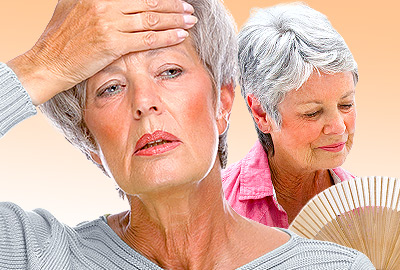
Hot flashes are one of the most common menopause symptoms that women experience. In fact, nearly 75% of women will have hot flashes as they transition through menopause. Despite its prevalence, many women do not understand the reasons for hot flashes, nor do they know the best way to manage them. This can make a sudden and unexpected hot flash episode both frightening and confusing. The information below is intended to explain the reasons for hot flashes and how to treat them effectively.
What Are Hot Flashes?
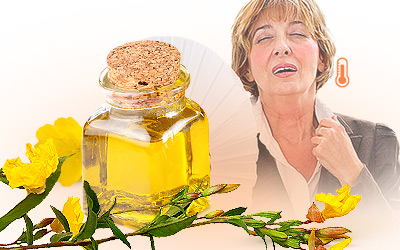
Hot flashes can begin before a woman reaches menopause and continue long after she has gone through the transition. Hot flashes usually involve a range of symptoms, all of which can be very uncomfortable and inconvenient. Some symptoms include:

- A feeling of intense heat in the upper body
- Flushing of the skin, particularly in the face, neck, and chest
- Sudden, increased heart rate
- Heavy sweating
- Chills and shivering
Hot flashes can vary in intensity and duration, but typically last anywhere between thirty seconds and five minutes. Often, the quicker a woman transitions through menopause, the more severe her hot flashes will be. It is important for women to understand the reasons for hot flashes in order to effectively control them. Keep reading to learn more about the different reasons for hot flashes.
What Are The Reasons for My Hot Flashes?
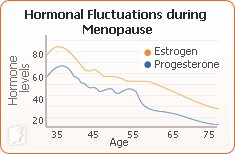
It is widely believed that fluctuating levels of estrogen and other hormonal changes are the primary cause for women's hot flashes. These fluctuating hormone levels mislead the hypothalamus (the part of the brain that regulates body temperatures) into believing that the body is too hot. The body then increases the heart rate and dilates blood vessels near the skin's surface to help release heat and cool the body down. As a result, women experience a hot flash and can begin to sweat profusely. For some women, hot flashes occur several times a day and can be very problematic.
How Can I Deal with Hot Flashes?
There are various ways to treat hot flashes. The first is simply to have a healthy body and lead a healthy lifestyle. This can be accomplished by following a healthy diet and a basic exercise regime.
The following tips can help prevent hot flashes and reduce the severity of them.

- Eating more protein, fiber, fruits, vegetables, and grains
- Avoiding alcohol, caffeine, sugar, spicy foods, and hot foods or drinks
- Drinking two liters of water each day
- Exercising regularly to balance hormone levels and reduce stress
- Quitting smoking
- Using a mini portable fan
- Wearing breathable clothes
The best way to treat hot flashes is to balance hormonal levels. While lifestyle changes are very effective, some women find that alternative medicines and herbal remedies do a better job of restoring hormones levels in the body. Therefore, the best treatment for hot flashes is one that combines both lifestyle changes and alternative medicines. Always talk to your doctor before making a decision about any treatment. Changes to your lifestyle should always be the first step you take.
Click on one of the link below to learn more about hot flashes treatments.
Sources
- Sikon, Andrea and Holly Thacker M.D. "Treatment for Menopausal Hot Flashes". Cleveland Clinic Journal of Medicine. July 2004: 71 (7).
- "Hot flashes ... in January". Canadian Medical Association Journal. 2004: 170 (1).
- Miller, Heather and Rose Maria Li, M.D. "Measuring Hot Flashes: Summary of a National Institutes of Health Workshop". Conference report. Mayo Clinic. June 2004: 79.