Menopause
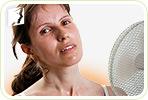
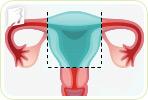
Hot flashes are a common symptom of menopause. Millions of women suffer from strong sensations of heat that can have a negative impact on their quality of life. During menopause, when hormonal imbalance influences the body, declining levels of estrogen have a direct effect on the hypothalamus, which is responsible for controlling appetite, sleep cycles, and internal body temperature. Certain substances, such as alcohol, can raise overall body temperature and propel the body into the onset of menopausal hot flashes. In order to avoid suffering, women should moderate their alcoholic intake, especially during the menopausal years.
Can I Drink Alcohol If I Am Experiencing Hot Flashes?
Yes. Alcohol can be consumed safely during menopause, as long as each woman evaluates the risk beforehand - increased frequency of menopause symptoms. Certain medications used during menopause strongly advise against alcohol use. These warnings should not be taken lightly, and if a woman has any doubts, she should consult her doctor.
However, a glass of wine at dinnertime is generally fine. Alcohol is said to be a major trigger for hot flashes, so menopausal women should be aware that their risks of suffering will likely increase with each drink. Hot flashes can vary in length, frequency, and severity for each woman.
How Will Alcohol Affect My Hot Flashes?
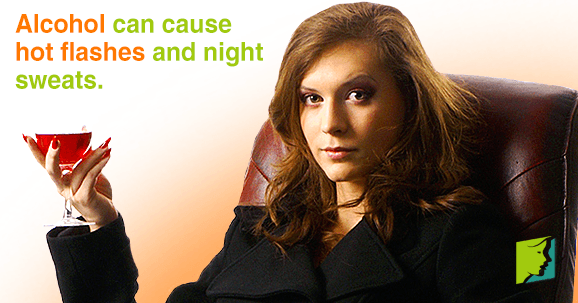
Drinking alcohol of any kind in excess of about three or four drinks a month will heighten a woman's risk of experiencing hot flashes. Alcohol may also increase the severity of each episode, with heightened levels of perspiration, flushing, and rapid heartbeat. Drinking alcohol before bed is also more likely to encourage night sweats - nocturnal hot flashes. Studies have shown that more than one alcoholic drink per week, especially daily consumption, generally increases the risk of hot flashes, especially in postmenopausal women.
Why Does Alcohol Trigger Hot Flashes?
Alcohol warms the body and causes the face to flush - nearly everyone has experienced this during a night of drinking. For women who are already predisposed to hot flashes during menopause, alcohol may set off an episode. When alcohol warms the body, other parts of the body start working to cool the system down, resulting in the typical symptoms of a hot flash.
Recommendations
It is recommended that women cut back on alcohol consumption during menopause to minimize distressing effects of hot flashes. Making lifestyle changes can greatly improve quality of life during menopause. To find other suggestions and treatments available, click on the link below.
Sources
- Cleveland Clinic. (n.d.). Non-Hormonal Ways to Cope with Hot Flashes. Retrieved May 15, 2015, http://my.clevelandclinic.org/health/diseases_conditions/hic-what-is-perimenopause-menopause-postmenopause/hic-non-hormonal-ways-to-cope-with-hot-flashes-and-menopause
- Schilling, C. et al. (2007). Current Alcohol Use, Hormone Levels, and Hot Flashes in Midlife Women. Fertility and Sterility, 87(6), 1483-1486. Retrieved May 15, 2015, from http://www.ncbi.nlm.nih.gov/pmc/articles/PMC1949018/
- Sievert, L.L. , Obermeyer, C.M. & Price, K. (2006). Determinants of hot flashes and night sweats. Annals of Human Biology, 33(1), 4-16. Retrieved from http://www.ncbi.nlm.nih.gov/pubmed/16500807