Menopause
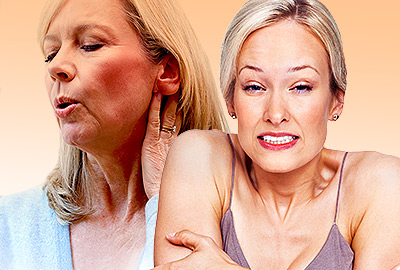
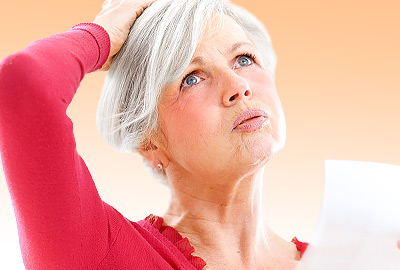
Hot flashes are among the most common menopausal symptoms that women experience. Nearly 75% of women experience them as they transition through menopause. They often occur suddenly and can be very overwhelming and disruptive. Thankfully there are various ways that women can help alleviate their hot flashes. Keep reading below to learn more about hot flashes and ways to treat them.
Why Do So Many Women Need Treatments for Hot Flashes?
Hot flashes are sudden and intense bursts of heat, usually in the face, neck and chest. They can be accompanied by an increased heart rate, profuse sweating, chills, and nausea. Hot flashes can be unbearable and inconvenient, and as a result, many women look for a way to cure them. Some of the unpleasant symptoms hot flashes can trigger are:
- A feeling of intense heat in the upper body
- Reddening or flushing of the skin
- Increased heart rate
- Excessive sweating
- Chills and shivering
- Headache
- Nausea
Treatments for Hot Flashes
Hot flashes are caused by decreased estrogen levels in the body, which provoke a hormonal imbalance and a range of unpleasant symptoms. You can address this hormonal imbalance with hormone-regulating supplements like Macafem. Unlike phytoestrogenic supplements (such as black cohosh), hormone-regulating supplements are considered the safest herbal remedy to cure hot flashes. They don't contain any estrogen and do not add artificial hormones to the body. Instead, they stimulate the body's production of natural estrogen. Ultimately, this results in more balanced levels of estrogen and other hormones like progesterone.
Other Ways to Manage Hot Flashes
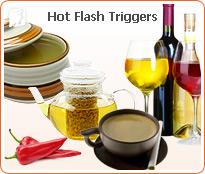
Although hot flashes are primarily caused by hormonal imbalance, they can be triggered by certain environmental factors and lifestyle habits. By avoiding these triggers, you can help prevent hot flashes and alleviate some of the symptoms.
Triggers to Avoid
- Spicy foods
- Hot foods and drinks
- Caffeine
- Sugar
- Alcohol
- Warm rooms
- Smoking
Helpful Tips
- Wear cotton clothing and pajamas made from natural materials.
- Exercise regularly, but not within three hours of going to bed.
- Don't consume any food, alcohol, or caffeine three hours before going to bed.
- Use bedding that promotes air circulation.
- If you feel stressed, try practicing yoga and other relaxation techniques.
As well as avoiding these triggers, another easy way to relieve hot flash symptoms is to implement a healthier lifestyle. A more balanced diet and frequent exercise can help balance hormone levels and greatly reduce the frequency and severity of hot flashes. While these are very effective hot flashes treatments, some women find more relief from alternative medicines and herbal treatments. Before making drastic changes, always consult with a doctor.
Sources
- "Hot flashes ... in January". Canadian Medical Association Journal. 2004: 170 (1).
- Miller, Heather and Rose Maria Li, M.D. "Measuring Hot Flashes: Summary of a National Institutes of Health Workshop". Conference report. Mayo Clinic. June 2004: 79.
- Sikon, Andrea and Holly Thacker M.D. "Treatment for Menopausal Hot Flashes". Cleveland Clinic Journal of Medicine. July 2004: 71 (7).