Menopause

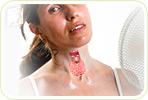
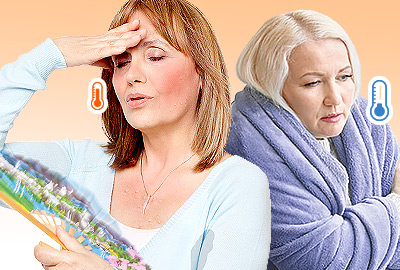
Hot flashes are possibly the most commonly associated symptom of menopause, and affect 75 to 85% of menopausal women. The imbalance of hormones in the body disrupts the usual functioning of the vascular system, causing sudden moments of intense heat. The duration, frequency, and severity of menopausal hot flashes will vary from woman to woman.
Treating hot flashes can be done in various ways, but a healthy diet and regular exercise is thought to be the most effective. Swimming is one exercise highly recommended.
Exercising for Your Whole Body

Swimming is one of the main forms of exercise that will provide a complete body work out. It provides aerobic fitness and improves stamina, strength, and flexibility.
Relaxing Exercise that Encourages Well-being
Swimming is a low impact exercise and is excellent for women of all ages. It means that you can take it slowly, and pace yourself. This makes it a relaxing exercise, giving you an opportunity to concentrate on your breathing and focus on the mind-body connection.
De-stress
Stress is a major trigger for hot flashes, so combating stress should always be the first step to take if you want to avoid hot flashes. The relaxing experience of gliding through the water, will allow the body to experience a meditative state, de-stressing the body, and ultimately reducing hot flashes and their uncomfortable symptoms. Try to float during your swimming session too, because it will cool your body down after the laps you have done.
The Cooling Effect

Swimming is the best exercise to cool you down, a necessary benefit if you are trying to cope with hot flashes. A dip in the water will cool you off quickly.
Encourages Hormone Balance
Swimming can de-stress and help you balance your hormones because it reduces the amount of cortisol (stress hormone) that is in the body, which can have an impact on estrogen and progesterone levels.
More Information
It is recommended that you exercise daily to combat hot flashes and if you swim, then try to swim for at least 30 minutes each time. However, pace yourself and don't exhaust your body. Follow this link to find out what other lifestyle changes you should make to help combat hot flashes episodes in the future.
Sources
- Sikon, Andrea and Holly Thacker M.D. "Treatment for Menopausal Hot Flashes". Cleveland Clinic Journal of Medicine. July 2004: 71 (7).
- "Hot flashes ... in January". Canadian Medical Association Journal. 2004: 170 (1).
- Miller, Heather and Rose Maria Li, M.D. "Measuring Hot Flashes: Summary of a National Institutes of Health Workshop". Conference report. Mayo Clinic. June 2004: 79.