Menopause
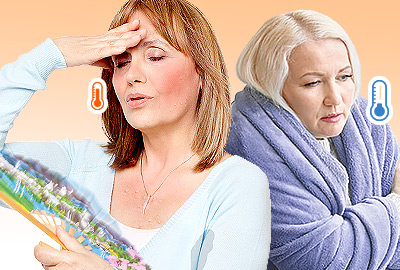
Hot flashes affect millions of women all across the globe during menopause. For some women, hot flashes can be very manageable and mild, but for others they can be extremely severe and disruptive.
While hot flashes are one of the most common and irritating menopause symptoms, they are treatable. Continue reading to find more about how to reduce the severity and frequency of your hot flashes.
What Are Hot Flashes?
Hot flashes are feelings of intense heat that come over the body. This heat sensation is usually accompanied by excessive sweating, flushed skin, and a rapid heart rate. Hot flashes can come on at any time.
What Triggers Hot Flashes
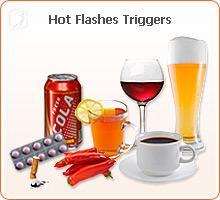
Hot flashes can be triggered through numerous factors and avoiding these triggers is crucial for managing hot flashes. Before deciding on a treatment, reconsider your lifestyle and try to avoid any of the following:
- Caffeine
- Smoking
- Alcohol abuse
- Diet pills
- Spicy food
- Extremely hot showers
- Saunas and hot tubs
Available Options for Treating Hot Flashes
Fortunately, hot flashes can be easily prevented or reduced. Hot flashes are most often related to hormonal changes. Here are some tips that can help you to fight hot flashes and regulate hormonal production:
Diet. Eating a well-balanced diet is vital. You can also add more foods to your diet that increase natural estrogen production, such as soy.
-

Exercise and relaxation. Physical well-being is important when trying to cope with hot flashes and hormonal changes. Although exercise will not completely cure hot flashes, it will help to regulate body temperature, decreasing the likelihood of a hot flash episode.
Phytoestrogenic supplements. Many herbs are capable of managing fluctuating hormone levels. However, many phytoestrogenic supplements, including black cohosh, reduce the body's capability to produce its own hormones.
- Hormone therapy. Because hot flashes are a result of hormone changes, hormone replacement therapy (HRT) has been a popular choice by many women, but it has recently been criticized because of health risks. Before considering this option weigh up the risks and benefits with your doctor.
Recommendation
As mentioned above, exercise, hormone therapies, and natural supplements have all been known to help women deal with hot flashes and hormonal changes.
It is important to talk to your doctor while going through these changes. You doctor can explain what is going on in your body. Follow the links below for further information towards hot flash treatments.
Sources
- Boston Women's Health Collective. "Hot Flashes, Night Sweats, and Sleep Disturbances." Our Bodies, Ourselves, 2006.
- The National Institute of Health.(n.d) "Signs of the Menopausal Transition." Retrieved from www.nih.gov
- Von Muhlen, DG, et al. "A community-based study of menopause symptoms and estrogen replacement in older women." Maturitas. Sept 1995; 22(2): 71-8.