Menopause

Hot flashes are one of the most common symptoms of menopause. If you've experienced one before, then you know some of the symptoms and just how uncomfortable they are. Hot flashes are a sudden, intense feeling of heat in the face and upper part of the body. They can be accompanied by an increased heart rate, profuse sweating and feelings of weakness, nausea, dizziness, and anxiety. A hot flash is often followed by a flush, leaving the sufferer with reddened skin, and drenched in sweat, and feeling cold. The duration of a hot flash episode varies for every woman, but typically lasts between 30 seconds to a few minutes. While hot flashes can be unbearable at times, there are ways women can help stop them and treat their symptoms.
What Causes Hot Flashes?
Quick Fact
There are several different causes of hot flashes. However, the most prominent is the reduced levels of estrogen in a woman's body. Hot flashes can also be linked to lifestyle habits, diet, and medication.
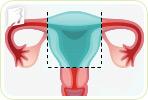
During menopause, decreased levels of estrogen and a hormonal imbalance significantly impact the brain's internal thermostat regulator (the hypothalamus). The hypothalamus falsely believes that the body is too hot. The brain reacts by sending signals to the heart, blood vessels, and nervous system to cool down. Subsequently, this sudden activity produces the sensation of hot flashes. A hot flash episode can last anywhere from a few seconds to a few minutes or longer. It can take up to a half for you to feel normal again.
How Can I Stop Hot Flashes?
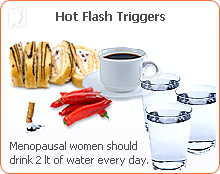
There are several approaches that a woman can take to stop hot flash symptoms. The most preferable solution is to manage them naturally. Although hot flashes are directly linked to a hormonal imbalance other factors can trigger an increased body temperature and consequently, a hot flash episode will start. Help prevent hot flashes by avoiding these triggers.
10 Typical Hot Flash Triggers
- Alcohol
- Caffeine
- Diet pills
- Spicy food
- Smoking
- Saunas
- Warm environments
Identifying what your triggers for hot flashes are can be really beneficial. Try keeping a diary of the foods you eat and activities you do that may trigger a hot flash episode. You can soon identify what triggers to avoid and how to better manage your hot flashes. In addition to learning your body's triggers, try using alternative medicines. Herbal remedies can help rebalance hormone levels and stop hot flashes. Often, combining alternative medicines with a healthy lifestyle is the most effective treatment for hot flashes. Click on the following link in order to find the best treatments for hot flashes.
Sources
- "Hot flashes ... in January". Canadian Medical Association Journal. 2004: 170 (1).
- Miller, Heather and Rose Maria Li, M.D. "Measuring Hot Flashes: Summary of a National Institutes of Health Workshop". Conference report. Mayo Clinic. June 2004: 79.
- Sikon, Andrea and Holly Thacker M.D. "Treatment for Menopausal Hot Flashes". Cleveland Clinic Journal of Medicine. July 2004: 71 (7).