Menopause
While hot flashes are ubiquitously recognized as one of the most common symptoms of menopause with 80 percent of middle-aged women suffering from them, another phenomenon known as cold flashes can also occur during this time.1 As it turns out, hot flashes and cold flashes are quite closely related.
Continue reading to learn more about hot and cold flashes, including their causes and management options for long-term relief.
About Hot and Cold Flashes
Hot flashes can be defined as feelings of sudden, intense heat, usually accompanied by an increased heart rate; flushing of the face and upper body; sweating; nausea; dizziness; anxiety; and more symptoms.
On the other side of the spectrum are cold flashes, which can occur after a hot flash when the body is cooling down or independent of a hot flash episode, depending on the woman. Cold flashes are characterized by chills, cold feet, and shivering.
Causes of Hot and Cold Flashes
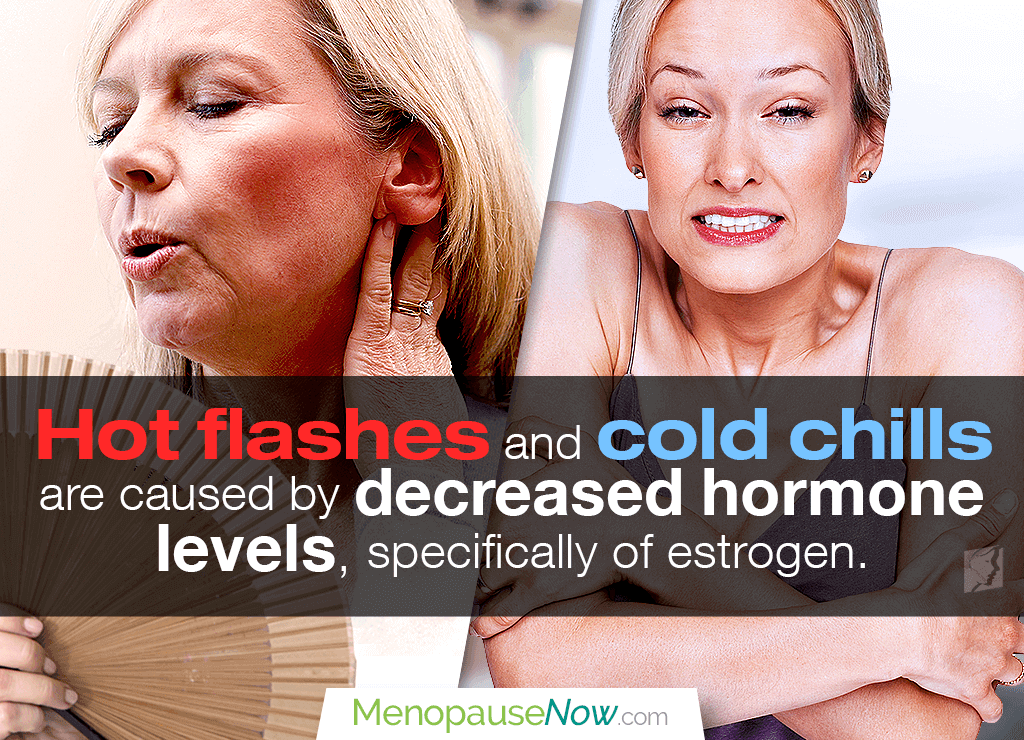
Hot flashes and cold chills are caused by decreased hormone levels, specifically of estrogen.
This hormonal imbalance negatively impacts the hypothalamus, the brain's internal thermostat, causing it to become more sensitive to body temperature changes, thus triggering hot and cold flashes during menopause as means to cope with these changes.
Causes of hot and cold flashes unrelated to menopause include:
- Poor blood circulation
- Thyroid problems
- Medications (hormonal therapies, cancer drugs)
- The flu or a bad common cold (with or without fever)
How to Manage Hot and Cold Flashes
There are several ways to manage hot flashes and cold flashes. Certain lifestyle choices can alleviate or help both symptoms, including:
Regular exercise, such as a brisk walk, short bicycle ride, or yoga poses for hot flashes, has been shown to decrease the frequency of menopausal symptoms, such as hot flashes and cold chills.
Wholesome habits that include addiction control, proper hydration, and relaxation techniques for hot flash relief for can prevent the body from over or under heating.
A nutritious diet filled with phytoestrogenic foods can also encourage healthy estrogen levels in the body. Examples include tofu, sesame seeds, and flaxseed, among other foods to control body heat.
If the hot flashes and cold chills - as well as other menopause symptoms - are disrupting everyday life, it is best to talk to a medical practitioner to develop a comprehensive treatment plan. Find out more about natural and effective treatments for hot flashes and cold flashes to get you back up and at it in no time.
Sources
- Breastcancer.org. (2015). What Causes Hot Flashes? | Hot Flashes. Retrieved October 23, 2019, from https://www.breastcancer.org/tips/menopausal/treat/hot-flashes/causes | https://www.breastcancer.org/treatment/side_effects/hot_flashes
- Cleveland Clinic. (2016). Are Premenopausal “Cold Flashes” a Real Thing? Retrieved October 23, 2019, from https://health.clevelandclinic.org/premenopausal-cold-flashes-real-thing/
- International Hyperhidrosis Society. (n.d.). Common Drugs/Medications Known to Cause Diaphoresis Listed by Therapeutic Class. Retrieved October 23, 2019, from https://www.sweathelp.org/pdf/Diaphoretic_Class.pdf
- Mayo Clinic. (2018). Hot flashes: Symptoms & causes. Retrieved October 23, 2019, from https://www.mayoclinic.org/diseases-conditions/hot-flashes/symptoms-causes/syc-20352790
- National Cancer Institute. (2019). Hot Flashes and Night Sweats (PDQ®)-Patient Version. Retrieved October 23, 2019, from https://www.cancer.gov/about-cancer/treatment/side-effects/hot-flashes-pdq
- National Institute on Aging. (2017). Hot Flashes: What Can I Do? Retrieved October 23, 2019, from https://www.nia.nih.gov/health/hot-flashes-what-can-i-do
Footnotes:
- Harvard Health Publishing. (2015). Menopause-related hot flashes and night sweats can last for years. Retrieved October 23, 2019, from https://www.health.harvard.edu/blog/menopause-related-hot-flashes-night-sweats-can-last-years-201502237745