Menopause
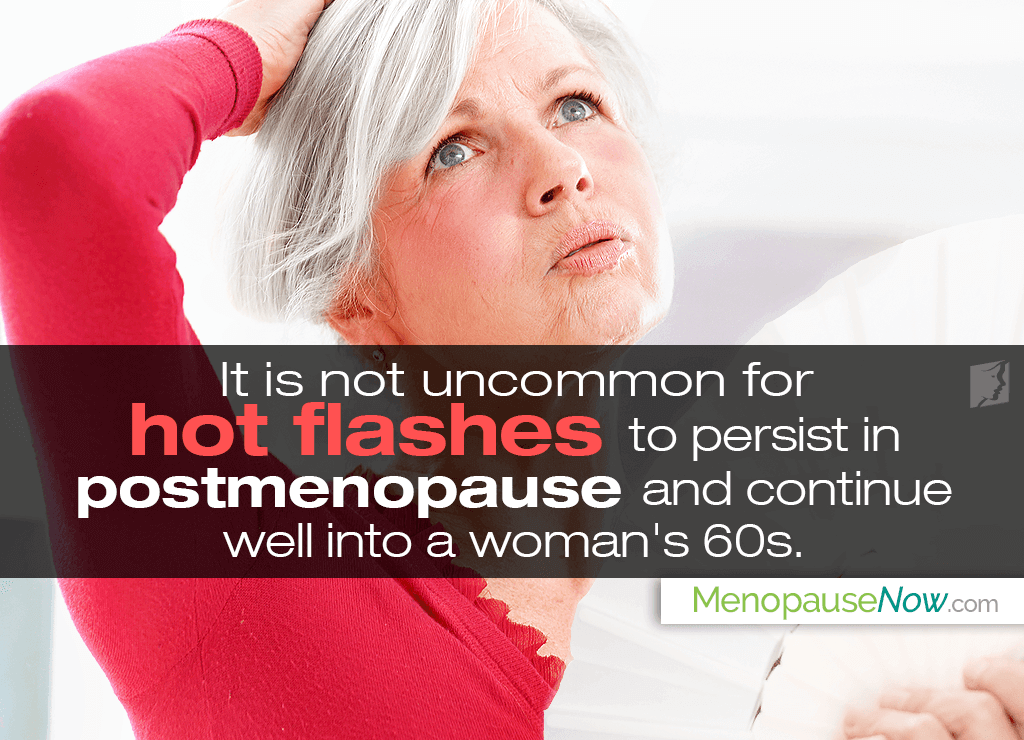
While it is true that the infamous hot flashes are the most intense during perimenopause, about 42% of women in their early 60s continue struggling with them in postmenopause.1 Fortunately, the path to freeing oneself from this pesky symptom begins by understanding its nature.
Keep on reading to learn more about having hot flashes after menopause, including what causes them in a first place and what you can do for long-lasting relief.
What Are Hot Flashes after 60?
There are three levels of hot flash severity:2
- Mild hot flashes. Sensation of heat without sweating or dampness.
- Moderate hot flashes. Generally accompanied by sweating or dampness, but a woman can continue with current activity.
- Severe hot flashes. Characterized by intense heat and sweating. They cause disruption of daily routines and drive women to seek immediate relief.
Hot flashes after 60 share the same characteristics of hot flashes experienced earlier in the menopausal transition.
They are characterized by sudden feelings of intense heat in the upper body, increased perspiration, and - occasionally - chills. What might change over time, however, is their severity and frequency.
How Long Will Hot Flashes Last after Menopause?
The longevity of postmenopausal hot flash episodes varies from woman to woman.
Studies have found that women whose first hot flash episode occurred before menopause, or before their last period, tend to experience them for nine to 10 years on average. In the United States, the average age at which women enter menopause is 51, which means that some of them can continue with symptoms into their 60s.3,4
On the other hand, women whose first hot flash episode occurred after menopause, or after their last period, tend to experience them for the average of three and a half years.3
What Causes Hot Flashes after 60?
Peri- and postmenopausal hot flashes are most typically caused by decreased estrogen levels.
Low estrogen causes the area of the brain that controls body temperature - the hypothalamus - to malfunction and falsely detect an increased internal temperature. In attempt to cool down, a hot flash occurs.
How Can I Manage Hot Flashes after Menopause?
Managing hot flashes after 60 works the same as managing hot flashes throughout the perimenopausal transition. Consider the following tips:
Follow a healthy diet with less caffeine and sugar and more whole grains, fresh fruits, and fresh vegetables, especially those containing phytoestrogens and vitamins to reduce hot flashes.
Implement regular exercise into your routine to improve blood circulation and promote endocrine system health.
Try to avoid known hot flash triggers, such as spicy or heavily-seasoned foods; alcohol; excess caffeine; and prolonged stress, among others.
Make your bedtime routine less conducive to nocturnal hot flashes, called night sweats, by sleeping in a cool room; using lightweight, breathable pajamas for menopause; and purchasing temperature-regulating bed sheets.
Take a cool shower right before bedtime to reduce your body temperature.
Keep a diary and note down when you get hot flashes. Over time, this could reveal a pattern, help you notice the triggers, and prompt lifestyle alterations.
Conclusions
Middle-aged women are encouraged to approach their hot flashes after 60 with patience and a proactive attitude. Whether their are experience mild or severe symptoms are severe, dealing with the root of the cause, hormonal imbalance, should always be the first focus. Click on the following link to learn about the best treatments for hot flashes to finally free yourself from this unpleasant symptom and enjoy a happy and healthy life after menopause.
Sources
- Harvard Health Publishing. (2015). Menopause-related hot flashes and night sweats can last for years. Retrieved February 24, 2020 from from https://www.health.harvard.edu/blog/menopause-related-hot-flashes-night-sweats-can-last-years-201502237745 |
- Harvard Health Publishing. (2015). Is it normal for hot flashes to last long after menopause begins? Retrieved February 24, 2020 from https://www.health.harvard.edu/womens-health/is-it-normal-for-hot-flashes-to-last-long-after-menopause-begins
- Mayo Clinic. (2018). Hot Flashes: Symptoms & causes | Diagnosis & Treatment. Retrieved February 24, 2020 from https://www.mayoclinic.org/diseases-conditions/hot-flashes/symptoms-causes/syc-20352790
Footnotes:
- The North American Menopause Society. (2015). When I'm 64 - I'll still have hot flashes? Retrieved February 24, 2020 from https://www.eurekalert.org/pub_releases/2015-03/tnam-wi6030215.php
- JAMA. (2015). Duration of Menopausal Vasomotor Symptoms Over the Menopause Transition. Retrieved February 24, 2020 from https://jamanetwork.com/journals/jamainternalmedicine/fullarticle/2110996
- UCLA Health. (2018). Menopause. Retrieved February 24, 2020 from https://www.uclahealth.org/obgyn/menopause
- Maturitas. (2012). Review of hot flash diaries. Retrieved February 24, 2020 from https://www.ncbi.nlm.nih.gov/pmc/articles/PMC3275687/